

Maddy summaryThis bill changes the federal deadline for submitting the FAFSA (Free Application for Federal Student Aid) from January 1 to October 1 before a student's planned enrollment year. It directly affects students seeking federal financial aid for college by requiring them to submit their FAFSA earlier each year. The key provision amends the Higher Education Act to update the submission date, moving it from January to October. This change aims to provide students with earlier access to aid information.
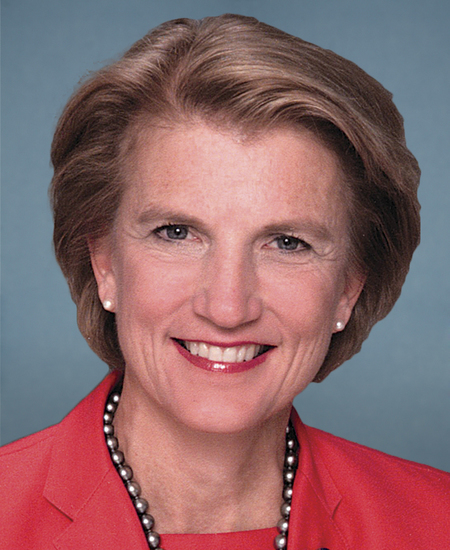
Sen. Shelley Moore Capito
Sponsored bills
Maddy summaryThis bill (SJRES 99) is a congressional resolution seeking to block a specific environmental regulation. It targets the Council on Environmental Quality's "National Environmental Policy Act Implementing Regulations Revisions Phase 2" rule, which was published in the Federal Register on May 1, 2024. If passed, the resolution would formally disapprove this rule, preventing it from taking effect and halting its implementation by federal agencies. The rule would have modified how agencies conduct environmental reviews under the National Environmental Policy Act (NEPA), but the resolution directly stops that change without altering NEPA itself.
Maddy summaryThis bill reauthorizes and extends existing Alzheimer's disease and dementia programs through fiscal year 2029. It specifically provides $33 million annually for states and public health departments to support Alzheimer's initiatives, including community-based care and research translation. Key provisions require translating clinical trial findings into community practices and strengthen coordination with the CDC. The bill directly affects state health agencies and public health departments receiving federal funding for dementia care programs. It does not create new programs but extends current funding mechanisms and adds a new requirement to apply research findings to community-level interventions.
Maddy summaryThis bill reauthorizes and extends two key mental health programs for healthcare professionals under existing law. It extends the education initiative encouraging healthcare workers to access mental health services from 2025-2029 (previously 2022-2024) and extends funding for programs promoting mental health among healthcare workforces through 2029. A new provision requires grant recipients to focus on reducing administrative burdens on healthcare workers. The bill directly affects healthcare providers (like doctors and nurses) by maintaining access to mental health support programs and streamlining administrative processes. It makes no new policy changes beyond extending existing program timelines and adding one specific requirement.
Maddy summaryThe ADVANCE Act of 2023 promotes U.S. nuclear energy development through several key provisions. It establishes prizes for the first entities to receive licenses for advanced nuclear reactors, including those for non-electric applications like hydrogen production and district heating. The bill extends the Price-Anderson Act through 2045, providing liability protection for nuclear power plant operators, and requires the Nuclear Regulatory Commission to report on reducing reliance on Russian uranium. Additionally, it includes provisions to streamline regulatory processes for nuclear facilities at brownfield sites and support workforce development in the nuclear industry.
Maddy summaryThis joint resolution (SJRES 97) seeks to block a Department of Labor rule finalized in April 2024 that redefined overtime exemptions for certain white-collar workers. The rule would have changed how employers classify executive, administrative, professional, outside sales, and computer employees for overtime pay purposes. By invoking Chapter 8 of Title 5, U.S. Code, this resolution aims to nullify the rule, preventing it from taking effect. It directly affects employers and workers covered by the rule, but the resolution itself does not change existing labor standards - it only prevents the rule from being implemented.
Maddy summaryThis bill requires Medicare Advantage plans (private insurance plans that cover Medicare benefits) to implement electronic systems for prior authorization requests by 2027, replacing outdated methods like fax. Starting in 2026, these plans must publicly report detailed data on prior authorization decisions - including approval/denial rates, appeal outcomes, and processing times - to the government. The government will publish this data online so seniors and providers can see how plans handle requests. These changes aim to reduce delays in care for seniors by making the process more transparent and timely.
Maddy summarySenate Joint Resolution 96 seeks to block a Department of Education rule that prohibits sex-based discrimination in federally funded schools (e.g., colleges, K-12 programs receiving federal aid). If approved, it would invalidate the rule published April 29, 2024 (89 Fed. Reg. 33474), preventing it from taking effect under a congressional disapproval process. This would maintain existing nondiscrimination standards for education programs instead of implementing the new rule. The resolution directly affects all schools and programs receiving federal education funding.
Maddy summaryS 4499, the Youth Lead Act of 2024, amends an existing provision in the Agricultural Research, Extension, and Education Reform Act of 1998. It extends the expiration date for grants to youth organizations from 2023 to 2029, specifically modifying Section 410(d)(2). This change directly affects organizations currently receiving or eligible for these agricultural education and youth development grants. The bill makes a procedural adjustment to the grant program's sunset date without altering funding levels or program requirements. It does not create new programs or change who qualifies for these specific grants.
Maddy summaryS 4513, the Preserving JROTC Programs Act of 2024, lowers the minimum student enrollment requirement for high school Junior Reserve Officers' Training Corps (JROTC) units. It amends federal law to reduce the threshold from 100 students to 50 students for a unit to remain eligible. This change directly affects high schools with JROTC programs that previously had fewer than 100 enrolled students. The bill aims to help smaller schools maintain their JROTC programs by easing enrollment requirements.