

Maddy summaryThis resolution designates December 2, 2024, as "World Nuclear Energy Day" to commemorate the historical milestones of nuclear energy development, including the first controlled nuclear chain reaction (1942) and the first commercial nuclear power plant (1957). It recognizes nuclear energy's role in providing nearly 20% of U.S. electricity, supporting over 70,000 direct jobs, and contributing to carbon-free power and national security. The resolution encourages public acknowledgment of nuclear energy's contributions to clean power, innovation, and global energy leadership, without creating new laws or affecting specific groups.
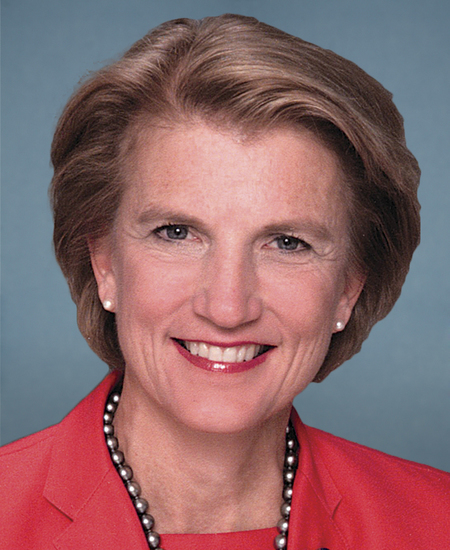
Sen. Shelley Moore Capito
Sponsored bills
Maddy summaryThis bill authorizes the U.S. Mint to produce three commemorative coins honoring Roberto Clemente: $5 gold, $1 silver, and half-dollar clad coins, with specified quantities (50,000 gold, 400,000 silver, 750,000 half-dollars). The coins must feature Clemente’s image and include inscriptions like "Roberto Clemente" and "2027," with surcharges ($35, $10, and $5 per coin respectively) funding the Roberto Clemente Foundation for youth sports, education, and disaster relief. All coins must be sold between January 1, 2027, and December 31, 2027, at face value plus surcharge, with the foundation audited for fund use. The legislation affects no citizens or policies - it solely creates a commemorative coin program.
Maddy summarySRES 911 is a symbolic Senate resolution designating December 1, 2024, as "Drive Safer Sunday." It encourages schools, trucking companies, religious leaders, and law enforcement to promote highway safety - particularly seat belt use - through educational campaigns and reminders. The resolution does not create new laws or regulations but urges specific groups to raise awareness about safe driving habits on the Sunday after Thanksgiving. It directly affects those organizations and the public through voluntary safety messaging, not legal mandates. This is a non-binding recognition effort focused on raising awareness, not altering transportation policy.
Maddy summaryThis resolution designates November 2024 as "National Lung Cancer Awareness Month" and includes specific observances: the first week of November as "National Women's Lung Cancer Awareness Week" and the second Saturday of November as "National Lung Cancer Screening Day." It expresses support for increasing public awareness, education, and research on lung cancer screening, treatment, and disparities - particularly for high-risk groups like veterans, Black men, and non-smokers. The resolution does not create new laws or funding but aims to encourage public health efforts to address low screening rates (currently 3-7% of at-risk individuals) and improve early detection. It directly affects the public, healthcare providers, and advocacy groups by promoting educational activities during this designated period.
Maddy summarySRES 915 designates September 2024 as "National Prostate Cancer Awareness Month" to highlight prostate cancer prevention and early detection. The resolution encourages the public, healthcare providers, and organizations to promote awareness, support research for better screening and treatments, and improve access to care for men affected by prostate cancer. It does not create new laws or allocate funds but serves as a symbolic call to action, acknowledging that prostate cancer affects 1 in 8 U.S. men and is the second-leading cause of cancer death among men. This resolution directly affects all Americans, particularly men at risk for prostate cancer, by promoting education and community efforts during the designated month.
Maddy summaryThis is a ceremonial Senate resolution (SRES 902) honoring the late Senator Timothy Peter Johnson of South Dakota, who died after a long career in public service. The resolution expresses the Senate's "profound sorrow" over his death, directs the Secretary of the Senate to share the resolution with the House and send a copy to his family, and calls for the Senate to adjourn in his memory. It does not create new laws or affect any policies, as it is purely a formal expression of respect for a former senator. The resolution commemorates his decades of service, including his time as Chairman of the Banking Committee and his return to work after a serious health setback.
Maddy summarySRES 894 is a non-binding Senate resolution designating December 1, 2024, as "Drive Safer Sunday." It encourages schools, trucking companies, religious leaders, and law enforcement to promote highway safety awareness - particularly seat belt use - on that date, which coincides with the Sunday after Thanksgiving, a high-traffic travel period. The resolution aims to raise public awareness about safe driving habits but does not create new laws or regulations. It directly affects organizations and individuals who choose to participate in the designated awareness campaign.
Maddy summaryThis bill prohibits federal agencies from using the "social cost of carbon" and related metrics (estimating climate damage costs from methane or nitrous oxide) when developing environmental regulations, guidance, or cost-benefit analyses. It directly affects agencies like the EPA that create rules on emissions, power plants, and air quality. The law requires agencies to stop relying on these specific climate cost estimates in all regulatory decisions starting upon enactment. Agencies must also report to Congress on past uses of these metrics within 120 days of the bill becoming law.
Maddy summaryThis bill extends the Secure Rural Schools program, which provides payments to counties and states with federal land, through 2026. It also adjusts related deadlines for special projects on federal land and county fund expenditures, pushing them to 2028 and 2029 respectively. Additionally, the bill adds a pilot program allowing regional foresters to appoint resource advisory committee members, set to end on October 1, 2028. These changes maintain funding stability and administrative flexibility for rural communities dependent on federal land management.
Maddy summaryS 5303, the Stand with Israel Act, prohibits U.S. federal funds from being used to support the United Nations or its entities if those entities restrict Israel's full participation as a member state. Specifically, it blocks funding for UN contributions when the UN expels, downgrades, or suspends Israel's membership or limits its ability to engage equally with other member states. This bill directly affects how U.S. taxpayer money is allocated to the UN, requiring the Department of State and other agencies to withhold funds under these circumstances. The law amends the United Nations Participation Act of 1945 to enforce this restriction.