

Maddy summaryS 282, the Arctic Refuge Protection Act of 2023, designates approximately 1,559,538 acres of the Arctic National Wildlife Refuge in Alaska as wilderness under federal law. This provision directly affects the Coastal Plain area of the refuge by restricting activities like oil drilling, mining, and development, as wilderness designation prohibits such uses. The bill amends the National Wildlife Refuge System Administration Act to formally add this specific area to the National Wilderness Preservation System, using a map dated October 20, 2015, for precise boundaries. The change would protect the land from most human alteration while maintaining its ecological integrity.
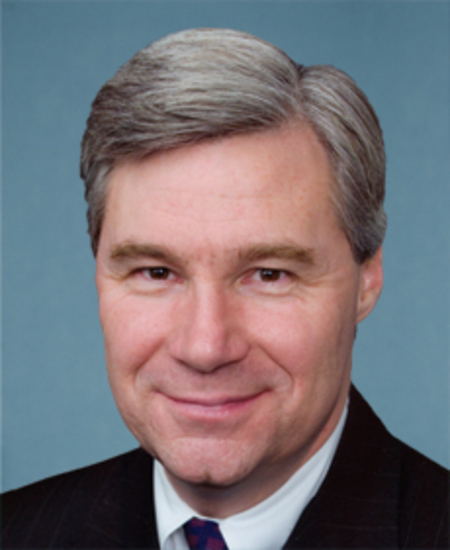
Sen. Sheldon Whitehouse
Sponsored bills
Maddy summaryThis Senate resolution (SRES 25) recognizes January 2023 as "National Mentoring Month" to highlight the importance of mentoring relationships for young people. It acknowledges that one in three U.S. youth lacks a mentor outside their home and emphasizes mentoring's role in improving academic success, mental health, career development, and reducing delinquency. The resolution promotes expanding quality mentoring programs nationwide but does not create new laws or allocate funding. It serves as a symbolic gesture to encourage community, school, and workplace efforts supporting youth development through mentoring.
Maddy summaryThis bill creates a federal grant program to help states and tribes implement Extreme Risk Protection Orders (ERPOs), which allow courts to temporarily remove firearms from individuals who may pose a danger to themselves or others. To qualify for funding, states must have laws including due process protections like hearings before orders are issued. The bill also amends federal law to include ERPOs in background checks and requires states to notify federal databases about these orders. It ensures ERPOs issued in one state will be recognized by courts in other states. This would directly affect individuals subject to ERPOs, law enforcement officers, and courts that implement these orders.
Maddy summaryS 268 establishes federal grants to help states and Tribal entities address child care shortages in underserved areas, known as "child care deserts." The bill provides two types of grants: (1) workforce grants to fund training, credentials, and outreach for child care providers, and (2) facility grants to support construction, renovation, or expansion of child care centers and homes. Funds must supplement, not replace, existing programs like the Perkins Career and Technical Education Act, and states must coordinate with workforce development initiatives. The legislation authorizes $100 million annually from 2024 to 2030 to increase access to affordable, quality child care in targeted communities.
Maddy summaryThis bill requires the Federal Trade Commission to create rules within one year banning gun manufacturers, dealers, and importers from marketing firearms or related products (including accessories and ammunition) to people under 18. It specifically prohibits tactics like using cartoon characters, kids' merchandise (e.g., hats or toys), or small-sized guns designed to appeal to minors. Enforcement would be led by the FTC, with states and individuals also able to pursue legal action for violations. The law defines "minor" as under 18 and applies to all firearm-related marketing, not just the products themselves.
Maddy summaryThis bill authorizes the National Museum of African American History and Culture to develop educational resources and programs about African American history, including digital tools, teacher training, and museum collections. It directs the museum's director to use $2 million annually (2024-2028) to create accessible materials for schools, educators, and the public, focusing on historical contributions and civil rights movements. The program requires annual reports to Congress on fund usage and includes provisions for translating materials, expanding exhibitions, and supporting school curriculum adoption. It directly affects the museum, K-12 schools, and educators through funded resources, while ending funding authorization after 2028.
Maddy summaryThe Crime Gun Tracing Modernization Act of 2023 requires the Bureau of Alcohol, Tobacco, Firearms and Explosives (ATF) to create electronic, searchable databases for firearm records within three years. This affects ATF, licensed gun dealers (who must provide electronic access to their required records), and law enforcement agencies using the system. Key provisions include making databases searchable by firearm details (like serial number and model) but not by personal identifiers, restricting database access to law enforcement investigations or foreign intelligence purposes, and allowing dealers to turn over paper records after 10 years. The law overrides funding restrictions to ensure implementation.
Maddy summaryThe FAIR Fees Act of 2023 requires the U.S. Department of Transportation to create regulations within 270 days that prohibit airlines from charging unreasonable or disproportionate fees for specific services. It targets fees for changing/canceling reservations, checked baggage, seat selection, and other flight-related charges. The regulations must ensure fees align with actual costs airlines incur, like processing changes or handling baggage, and require airlines to seat families with children under 13 together at no extra cost. This applies to all airlines operating under U.S. aviation regulations (those holding a DOT air carrier certificate).
Maddy summaryS 173, "Ethan's Law," requires firearm owners to store guns securely in homes where minors (under 18) or individuals ineligible to own firearms might access them. It amends federal law to make non-compliant storage an offense punishable by a $500 fine per violation, with enhanced penalties (up to 5 years in prison) if injury or death results. The bill creates a federal grant program to support states with laws matching its secure storage requirements, offering funding incentives for states that enact similar measures. It directly affects homeowners with firearms in households containing minors or prohibited persons, aiming to reduce accidental child access and firearm-related injuries.
Maddy summaryThe Airline Passengers' Bill of Rights (S 178) establishes new requirements for airlines to compensate passengers for denied boarding and flight delays, with a minimum $1,350 payment for delays exceeding 4 hours. The bill mandates automatic refunds for all delays, requires airlines to provide meal and hotel accommodations for overnight delays, and prohibits airlines from unfairly attributing delays to "force majeure" events when within their control. It also sets standards for seat size, lavatory availability, potable water, and transparency in pricing, while creating private rights of action for passengers to seek legal remedies for violations. The bill increases civil penalties for noncompliance and requires airlines to provide clear disclosure of fees and passenger rights.