

Maddy summaryThis bill requires National Park Service units to eliminate the sale of disposable plastic water bottles and other single-use plastics (like food containers and bags) within 180 days of enactment, after regional directors assess factors like waste reduction, costs, visitor safety, and concessioner impacts. It mandates visitor education about water refill stations, consistent implementation across parks, and biennial evaluations tracking visitor satisfaction, waste collection rates, and safety outcomes. The policy directly affects park operations, concessionaires (park vendors), and visitors who rely on park-provided water products.
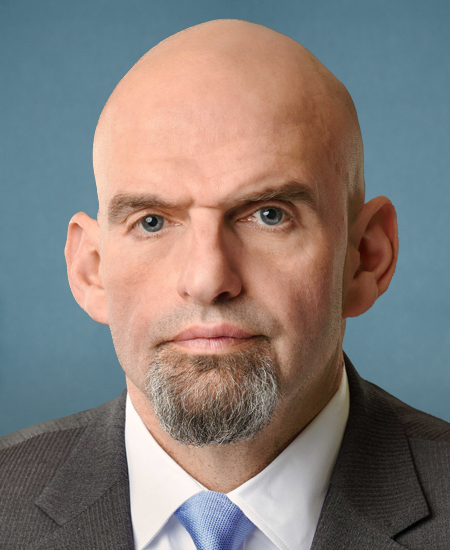
Sen. John Fetterman
Sponsored bills
Maddy summaryThis bill repeals a federal provision (subsection (b) of section 14 of the National Labor Relations Act) that allowed states to enact "right-to-work" laws. These laws prohibit mandatory union membership as a condition of employment. By removing this federal barrier, the bill would prevent states from passing or enforcing such laws, directly affecting workers in states with existing right-to-work statutes. The key mechanism is the federal preemption of state right-to-work laws, making union membership voluntary nationwide without requiring state action.
Maddy summaryThis bill requires the Supreme Court to establish a code of conduct for justices within 180 days of enactment, with public access to these rules on the Court's website. It sets minimum disclosure standards for gifts, income, and reimbursements received by justices and their law clerks, and strengthens recusal requirements when justices have financial ties to parties in cases. The bill creates procedures for filing complaints about justices' conduct and establishes a judicial investigation panel to review such complaints, while also requiring parties and amicus curiae to disclose gifts to justices and lobbying activities related to the nomination of justices. These provisions aim to increase transparency and accountability in Supreme Court operations.
Maddy summaryThis joint resolution designates August 20th as "Slavery Remembrance Day" to commemorate the arrival of the first 20 enslaved Africans at Fort Monroe, Virginia, on August 20, 1619. It encourages all Americans to observe the day through ceremonies and activities to acknowledge slavery's history and its lasting impacts. The resolution is symbolic - requiring no new laws or funding - and asks the President to issue a proclamation urging public observance. It does not directly affect specific groups or alter existing policies.
Maddy summarySRES 326 is a procedural Senate resolution (not a law) designating August 23, 2023, as "National Poll Worker Recruitment Day." It formally recognizes the importance of poll workers in elections and encourages eligible citizens to volunteer for this role in the 2023 elections. The resolution has no binding effect but aims to raise awareness about the need for poll workers. It directly affects the public by inviting them to participate in election administration.
Maddy summaryThe Student Loan Interest Elimination Act (S 2557) eliminates interest accrual on existing Federal Direct student loans starting July 1, 2024, without requiring borrower action, while allowing borrowers to opt out if they choose. It establishes income-based interest rates for new loans (0-4% depending on income relative to area median income), terminates interest-subsidized loans for new borrowers after June 30, 2024, and creates an Education Affordability Trust Fund to manage repaid loan funds. The trust fund will use investment profits to cover administrative costs and fund supplemental Pell Grants, with specific investment guidelines requiring high-rated bonds and diversification. This bill directly affects current and future student loan borrowers by changing interest structures and repayment terms.
Maddy summaryThis bill amends the Packers and Stockyards Act to clarify regulatory authority over poultry dealers and strengthen legal protections for poultry growers. It directly affects farmers who raise poultry under contract agreements with companies (called "poultry growers" or "live poultry dealers"), making it easier for them to challenge unfair practices. Key provisions include adding "live poultry dealer" to regulatory definitions, allowing courts to issue injunctions related to poultry care, and requiring courts to award attorney fees to winning plaintiffs in relevant lawsuits. The bill also removes outdated sections (411-413) and updates language to ensure clarity in how contracts and inspections apply to poultry production.
Maddy summaryThe Farmers Feeding America Act of 2023 increases funding and improves access to food assistance for low-income individuals through the Emergency Food Assistance Program (EFAP). It raises annual storage and distribution funding from $100 million to $200 million and allocates $500 million yearly for food commodities from 2024 through 2028. The bill specifically helps geographically isolated states (Hawaii, Alaska, Puerto Rico, and U.S. territories) by allowing alternative delivery methods for food shipments and permitting up to 20% of allocated commodities to be used as cash for locally grown food purchases. Additionally, it requires the program to prioritize nutritious food by considering factors like product variety and transportation distance when buying fresh produce.
Maddy summaryThe Preventing Election Subversion Act of 2023 restricts how state officials can remove local election administrators who manage federal elections. It requires removals to be based only on proven inefficiency, neglect of duty, or misconduct - prohibiting politically motivated removals - and allows affected local officials to challenge improper removals in federal court. States must report removals to the Justice Department within 30 days (or 48 hours if near an election) for oversight. The bill also adds new rules to limit last-minute challenges to voter eligibility on Election Day, requiring documented, good-faith challenges with sworn statements.
Maddy summaryThe Fair Credit for Farmers Act of 2023 provides immediate financial relief to economically distressed farmers and ranchers by deferring principal and interest payments on direct farm loans for two years, setting interest rates to zero percent during that period, and extending repayment dates by two additional years. The bill also requires the Secretary of Agriculture to provide clearer explanations in denial letters for farm loan applications and waives fees on guaranteed loans for historically underserved farmers (including socially disadvantaged, beginning, limited resource, and veteran farmers) for two years. Additionally, the legislation removes eligibility restrictions based on previous debt write-downs, allows refinancing of existing debt through farm loans, and establishes new equitable relief provisions for applicants wrongfully denied assistance due to administrative errors. These changes aim to improve access to credit for struggling agricultural producers while reforming administrative processes within the Farm Service Agency.