

Maddy summarySRES 194 designates May 5, 2023, as National Day of Awareness for Missing and Murdered Native Women and Girls. The resolution directly addresses the disproportionate violence faced by Native American, Alaska Native, and Native Hawaiian women by calling for public commemoration of victims and solidarity with affected families. It uses May 5 - the birthday of Hanna Harris, a Northern Cheyenne woman whose case is cited in the resolution - as the designated date for awareness efforts. As a Senate resolution, it serves as a symbolic recognition of this issue rather than creating new legal obligations.
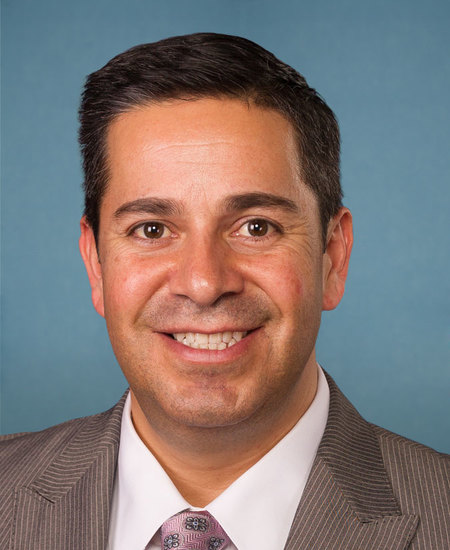
Sen. Ben Ray Luján
Sponsored bills
Maddy summaryThis Senate resolution designates April 2023 as "Financial Literacy Month" to raise public awareness about the importance of personal financial education and the consequences of financial illiteracy. It cites statistics showing widespread challenges, including 4.5% of U.S. households being unbanked, high credit card debt (47% of adults), and limited school-based financial education (only 23 states require personal finance courses). The resolution calls on federal, state, local, schools, nonprofits, and businesses to observe the month with educational programs. It does not create new laws or funding but aims to highlight existing financial literacy gaps affecting all Americans.
Maddy summaryThe RISE from Trauma Act creates federal grants to establish local coordinating bodies that address community trauma and build resilience by bringing together representatives from schools, healthcare, child welfare, criminal justice, and community organizations. Each grant can provide up to $6 million for 4 years to support community-wide efforts, with priority given to communities facing high rates of drug overdoses, violence, and involvement in child welfare or juvenile justice systems. The bill also includes provisions for hospital-based trauma interventions, reauthorizes the National Child Traumatic Stress Network, and supports workforce development for trauma-informed care. These coordinated efforts aim to prevent trauma's impact and promote resilience through community-based action.
Maddy summarySRES 188 is a symbolic Senate resolution celebrating the 75th anniversary of Israel's founding on May 14, 2023. It formally recognizes Israel's establishment, reaffirms the U.S.-Israel partnership, and highlights shared democratic values, security cooperation, and diplomatic achievements like the Abraham Accords. The resolution has no policy impact or direct effect on individuals or legislation - it serves solely as a ceremonial expression of support. It was introduced by a bipartisan group of senators and passed without implementing new laws or funding.
Maddy summaryThis bill withdraws specific federal lands surrounding Chaco Culture National Historical Park (in New Mexico) from oil and gas leasing and development. It automatically terminates non-producing oil and gas leases on these lands and prevents new leasing, protecting the area's cultural resources and sacred sites. The law directly affects the Chaco Cultural Heritage Area, benefiting Pueblo Indian Tribes, Navajo Nation, and Hopi Tribe who have cultural ties to the region. Key provisions include the land withdrawal, lease termination, and maintaining tribal mineral rights on trust land. The goal is to preserve the cultural landscape, visitor experience, and environmental integrity of the area.
Maddy summaryThe Citizenship for Essential Workers Act would allow certain essential workers who performed critical jobs during the pandemic to adjust to lawful permanent residence without numerical limits. It covers workers in healthcare, emergency response, sanitation, food services, construction, agriculture, domestic work, and other essential sectors, provided they earned income in these fields during the public health emergency period. The bill includes provisions for background checks, employer documentation requirements, worker protections against retaliation for requesting documents, fee exemptions for low-income applicants, and employment authorization while applications are pending. It also establishes procedures for appeals and judicial review, and waives certain inadmissibility grounds for humanitarian, family unity, or public interest reasons. The Department of Homeland Security would need to issue interim rules within 180 days of enactment.
Maddy summarySJRES 4 is a joint resolution that removes the 1972 deadline for states to ratify the Equal Rights Amendment (ERA), which was originally proposed in House Joint Resolution 208. It declares that the ERA is valid as part of the U.S. Constitution if ratified by three-fourths of states (38), regardless of the expired deadline. The resolution directly affects the ERA ratification process, making it possible for states to complete ratification without time constraints. As of 2023, 38 states had already ratified the ERA, and this resolution would finalize its inclusion in the Constitution if enacted.
Maddy summaryThe Child Care for Working Families Act establishes a new federal program to provide affordable, high-quality child care for working families with children under age 6. It requires states to implement a sliding fee scale (with no copayment for families earning up to 85% of state median income) and develop a tiered quality system for child care providers, with payment rates that support staff wages comparable to elementary educators. The bill prioritizes access for underserved populations including children with disabilities, children experiencing homelessness, children in foster care, and children from low-income families, while requiring states to improve child care quality and supply through dedicated funding streams. States must submit detailed plans demonstrating how they will meet these requirements to receive federal funding, which will be provided through a combination of direct child care assistance and quality improvement activities.
Maddy summaryThis bill prohibits insurers from denying coverage, canceling policies, or increasing premiums for life, disability, or long-term care insurance solely because someone is a living organ donor, without considering actual health risks. It also updates the Family and Medical Leave Act to include recovery from organ donation surgery as a qualifying condition for leave for private-sector employees and federal workers. Additionally, the bill requires the Health and Human Services Secretary to update public educational materials about living organ donation within six months, covering benefits, risks, and the new insurance protections. These changes directly affect living organ donors, insurers, and employers who must comply with the updated leave and insurance rules.
Maddy summaryThe Forced Arbitration Injustice Repeal Act (S 1376) would prohibit businesses from requiring customers, employees, or small businesses to agree to private arbitration for future employment, consumer, antitrust, or civil rights disputes. It also bans agreements that prevent people from joining class or collective lawsuits in these areas. The bill makes such forced arbitration clauses unenforceable and ensures courts - not arbitrators - decide if the law applies. This directly affects individuals and small businesses in disputes involving workplace discrimination, product issues, unfair competition, or civil rights violations, allowing them to seek justice collectively in court.