

Maddy summaryS 3868, the Count the Crimes to Cut Act, requires the Attorney General and specific federal agencies to compile detailed reports on federal criminal offenses. The bill mandates that agencies submit lists of all criminal statutory offenses (under federal law) and criminal regulatory offenses (enforceable via regulations), including their penalties, annual prosecution numbers over 15 years, and mental state requirements. These reports will be made publicly accessible via online indexes on government websites within two years. The bill directly affects agencies like the DOJ, EPA, FTC, and others listed, aiming to increase transparency about the scope of federal criminal law without changing existing penalties or enforcement.
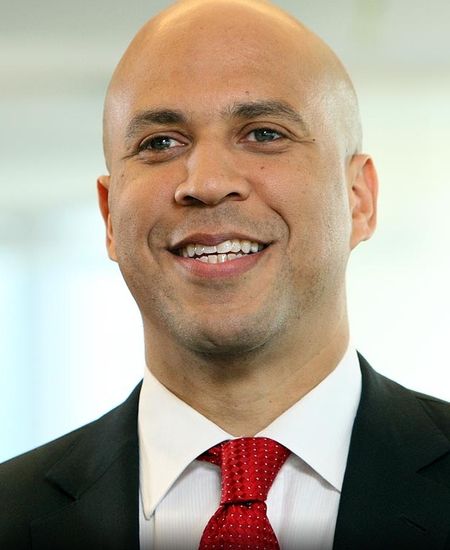
Sen. Cory A. Booker
Sponsored bills
Maddy summaryThis bill requires the Federal Trade Commission (FTC) to study firearm advertising and marketing for unfair or deceptive practices, such as ads targeting people under 18, implying illegal use, or promoting semiautomatic assault weapons. Within two years, the FTC must report findings to Congress and then create regulations to ban these practices within 18 months of the report. These regulations would apply to firearm manufacturers, dealers, and importers, prohibiting specific deceptive marketing tactics. Violations would be enforced under existing FTC authority, with penalties matching current unfair business practice violations.
Maddy summaryThis bill establishes the National Council on African American History and Culture within the National Endowment for the Humanities. The 12-member council, appointed by the President with Senate approval, must include equal numbers of Democratic and Republican members, prioritize diverse representation (women, people of color, individuals with disabilities), and feature experts in African American history and culture. The council’s duties include evaluating National Endowment programs, gathering information on African American cultural preservation, and making recommendations to improve policies supporting this history and culture. The council will operate for 10 years and requires 9 members to meet.
Maddy summaryThe Federal Jobs Guarantee Development Act of 2026 establishes a 3-year pilot program providing competitive grants to up to 15 eligible entities (such as states, tribes, or rural areas with unemployment at least 150% of the national rate) to create job guarantee programs. These programs must offer jobs to all residents aged 18+ in the service area, with wages meeting or exceeding federal/state minimums, health coverage comparable to federal employee benefits, and mandated paid leave. The bill requires grantees to provide training support, report demographic data, and comply with specific job access standards for individuals with disabilities and criminal records. Funds are limited to new jobs not displacing existing workers, with annual audits to ensure proper use of resources.
Maddy summaryThis bill creates a new Office of Small Farms within the USDA to better support small farms, ranches, and forest operations (defined as under 180 acres or with under $350,000 annual income). The office will coordinate USDA programs, review policies to remove barriers for small operations, and develop new initiatives like grants up to $25,000 for equipment, land access, or conservation. It requires State coordinators in each state to improve local program delivery and mandates annual reports to Congress on participation progress. The bill authorizes $25 million over five years ($15 million for the office, $10 million for grants and technical assistance).
Maddy summaryThis bill establishes minimum nurse staffing requirements for nursing homes participating in Medicare and Medicaid. It requires facilities to provide 24-hour registered nurse coverage (transitioning from 8-hour daily coverage within 180 days of enactment) and maintain a minimum of 3.48 hours of nursing care per resident daily. The bill mandates a study every four years to review staffing standards based on resident needs and safety data, with findings informing future regulations. Additionally, it directs states to use a portion of collected civil penalties to fund workforce programs like student loan repayment and career pathway development for nursing home staff.
Maddy summary# Summary of Workplace Discrimination and Harassment Legislation This comprehensive bill expands protections against workplace discrimination and harassment while strengthening enforcement mechanisms for workers. Key provisions include: 1. **Expanded Protections (Section 301)**: - Extends anti-discrimination protections to independent contractors, interns, fellows, volunteers, and trainees under major civil rights laws - Creates "covered establishment" definition for entities engaging these workers 2. **Nondisclosure/Nondisparagement Clause Ban (Section 302)**: - Prohibits employers from requiring workers to sign nondisclosure or nondisparagement clauses covering harassment or discrimination - Establishes strict requirements for settlement agreements (including 21-day consideration period, 7-day revocation period, and clear written disclosure) - Protects workers' right to report harassment to the EEOC without penalty 3. **Arbitration Restrictions (Section 303)**: - Bans mandatory pre-dispute arbitration agreements that prevent class or collective actions - Establishes new requirements for post-dispute arbitration agreements - Allows workers to sue employers who violate these provisions 4. **Federal Contractor Compliance (Section 304)**: - Requires federal contractors to disclose past violations of labor and civil rights laws - Establishes Labor Compliance Advisors at executive agencies - Creates a system for monitoring contractor compliance with labor laws 5. **Grant Programs (Sections 401-436)**: - Creates national grants to prevent and address employment discrimination - Establishes grants for legal assistance for low-income workers facing discrimination - Creates a system of state advocacy for workers' rights through state-level systems The bill aims to strengthen worker protections against discrimination and harassment while expanding access to legal remedies and creating new mechanisms for enforcement and prevention. It also includes provisions to ensure federal contractors comply with labor and civil rights laws and establishes new reporting requirements for contractors with past violations.
Maddy summarySRES 606 is a U.S. Senate resolution condemning the Iranian government for violently suppressing peaceful protests and the right to assemble, which has resulted in at least 6,126 reported deaths and 41,800 arrests since December 2025. It highlights Iran's use of internet blackouts, extrajudicial killings, arbitrary detentions, and censorship to crush nationwide demonstrations sparked by economic hardship. The resolution calls on Iran to hold free elections, allow citizens to determine their future, and hold human rights violators accountable, while commending protesters' courage. As a symbolic resolution (not a law), it expresses the Senate's stance without imposing new legal requirements.
Maddy summaryThis bill amends federal laws (Sections 241 and 242 of Title 18, U.S. Code) to allow state attorneys general to file civil lawsuits in federal court when residents suffer harm from rights violations. Specifically, it permits state AGs to sue on behalf of affected residents (as "parens patriae") if they believe someone experienced bodily injury, serious injury, or death due to conspiracy or deprivation of rights under color of law. The bill enables courts to grant relief like injunctions or damages if the defendant acted maliciously, oppressively, or recklessly. It directly affects state attorneys general and residents who experience such rights violations. The changes expand state enforcement authority under existing federal civil rights laws.
Maddy summaryThe SHADOW Fleet Sanctions Act of 2026 imposes sanctions on vessels and foreign entities supporting Russia's shadow fleet - vessels used to circumvent sanctions on Russian oil exports. It targets foreign vessels engaging in unsafe maritime behavior, lacking proper insurance, or evading the crude oil price cap, as well as foreign persons facilitating such activities through ship-to-ship transfers, insurance, or port services. The bill requires sanctions on port terminals in China or India accepting oil from sanctioned vessels and establishes a public database of vessels suspected of sabotage activities. It also creates reporting requirements and a strategy to counter China's role in evading sanctions on Russian energy products.