

Maddy summaryThe LINC VA Act (S 3303) establishes a pilot program to create or enhance a community integration platform at VA medical facilities, helping veterans access coordinated support services like housing, healthcare, job training, and mental health care through partnerships with community organizations. The platform must connect existing local services, use standardized health screening tools (based on ICD-10 codes for social determinants), and track referral outcomes to improve service coordination. It requires the VA to implement this at five or more diverse VA facilities - including rural and under-resourced sites - within one year of enactment. The program collects veteran data on social needs to better align VA care with community resources, with a report due to Congress within three years.
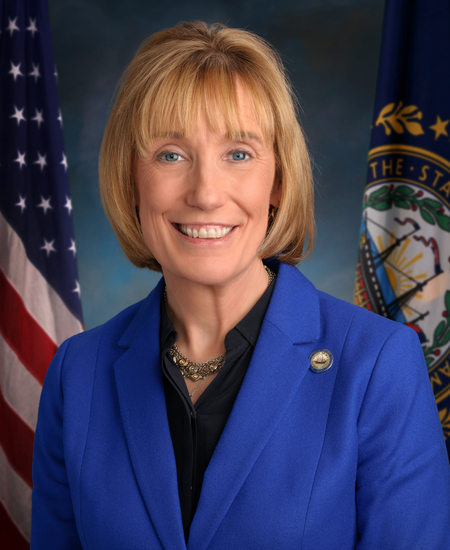
Sen. Margaret Wood Hassan
Sponsored bills
Maddy summaryThis bill amends VA medical coverage to explicitly include adaptive prostheses and terminal devices designed for sports and recreational activities alongside standard artificial limbs. It directly affects eligible veterans using prosthetic devices who wish to participate in sports or recreational therapy. The key provision expands existing VA coverage under 38 U.S.C. §1701 to cover these specific adaptive devices without requiring separate authorization. This change ensures veterans can access equipment for recreational purposes through the VA's standard medical services. The bill does not create new benefits but clarifies and broadens existing coverage for a defined category of prosthetic devices.
Maddy summaryThe VSAFE Act of 2025 creates a new "Veterans Scam and Fraud Evasion Officer" within the Department of Veterans Affairs to combat fraud targeting veterans. This position serves as the central point of contact for veterans, families, and caregivers, responsible for developing fraud prevention communication, training VA staff, promoting the VSAFE Fraud Hotline and website, and coordinating with agencies like the IRS and DOJ. The bill requires the officer to monitor fraud metrics, establish consistent guidance for identifying and reporting scams, and consult with veterans' organizations. It does not authorize new full-time staff and includes a minor extension of a pension payment deadline (Section 3).
Maddy summaryThis bill requires VA-employed physicians or nurse practitioners to sign a veteran's death certificate within 48 hours of learning of their death (for natural causes), addressing delays that have lasted up to eight weeks. It directly affects veterans' families and survivors who face blocked burial arrangements and delayed access to benefits due to these certification delays. The bill also mandates annual VA reports to Congress on compliance, including the percentage of timely certifications and reasons for delays. Key provisions focus on setting a clear 48-hour deadline for VA providers and creating transparency through mandatory reporting. It does not override state medical certification laws or require VA staff to violate their licensing requirements.
Guard and Reserve GI Bill Parity Act of 2025 This bill expands eligibility for Post-9/11 educational assistance for members of the reserve components of the Armed Forces and members of the National Guard. Specifically, the bill expands the types of activities that count towards Post-9/11 GI Bill eligibility to include active duty, inactive-duty training, annual training duty, and full-time National Guard duty or active duty. (Generally, under current law, only federal active duty counts towards educational assistance eligibility.)
Maddy summaryThe Love Lives On Act of 2025 modifies veterans' and military survivors' benefit rules to prevent remarriage from automatically ending eligibility. It directly affects surviving spouses of veterans or military members who remarried, ensuring they retain access to key benefits. Key provisions include: (1) preventing termination of veterans' dependency compensation (under 38 U.S.C. §1311/1562) due to remarriage; (2) stopping termination of military Survivor Benefit Plan annuities solely for remarriage, with specific rules for those who remarried before age 55; and (3) expanding TRICARE coverage to include remarried widows/widowers whose subsequent marriage ended (via death, divorce, or annulment). These changes restore or maintain benefits that were previously lost upon remarriage.
Maddy summarySRES 641 is a Senate resolution recognizing the 114th anniversary of Girl Scouts of the United States of America. It celebrates the organization's mission of providing girls with inclusive spaces to explore interests, build confidence, and develop leadership skills through programs like STEM education and community service. The resolution specifically congratulates Girl Scouts who earned the Gold Award in 2025 and encourages continued support for programs that prepare girls to become future leaders. As a symbolic gesture with no legal effect, it formally acknowledges the Girl Scouts' contributions to youth development and community engagement.
Maddy summaryThis bill creates a new Business Child Care Liaison position within the Internal Revenue Service to help businesses understand and use tax benefits for employee child care. The Liaison would connect businesses with various organizations, provide public education on employer-provided child care options, and issue guidance materials for tax return preparers. Additionally, the role would coordinate with other federal agencies and state governments to reduce information barriers for small businesses and report annually on the progress of child care benefit utilization. The position would be exempt from standard federal appointment rules and would submit annual reports to Congress detailing outreach activities and recommendations for improving access to child care tax incentives.
Maddy summaryThis bill, known as the PREDICT Act, directs the federal government to provide funding to states, tribes, and local health departments for wastewater surveillance programs designed to detect and monitor infectious diseases. The legislation requires the Secretary of Health and Human Services to award grants and contracts to eligible entities that submit detailed plans for wastewater sampling, data sharing, and response strategies. Funds can be used to establish new testing capabilities, expand surveillance in rural areas and facilities without proper wastewater treatment, and implement evidence-based monitoring practices. The bill also mandates the creation of technical assistance programs and standardized testing guidelines to ensure consistent data collection and reporting across all participating jurisdictions.
Maddy summaryThis resolution designates March 6, 2026, as "National Speech and Debate Education Day" to recognize the value of speech and debate programs in schools. It does not create new laws or funding but encourages educational institutions, businesses, and communities to celebrate and promote these programs. The resolution highlights how speech and debate education develops communication, critical thinking, and civic skills for students. It directly affects schools, teachers, and students participating in these programs by raising awareness of their importance. The Senate formally designates the date and urges nationwide participation in honoring this educational focus.