

Maddy summarySRES 72 is a non-binding Senate resolution passed on February 16, 2023, declaring that Russia’s actions in Ukraine meet the legal definition of genocide under the 1948 Genocide Convention. It cites specific atrocities, including mass killings of civilians, deliberate destruction of infrastructure (like hospitals and farmland), forced displacement of Ukrainians, and systematic sexual violence, as evidence of intent to destroy the Ukrainian people. The resolution calls on the U.S. government to support Ukraine, back international accountability efforts, and urges the President to impose sanctions under the Global Magnitsky Act on those responsible. As a symbolic resolution, it does not create new laws but formally recognizes the Senate’s position on Russia’s conduct.
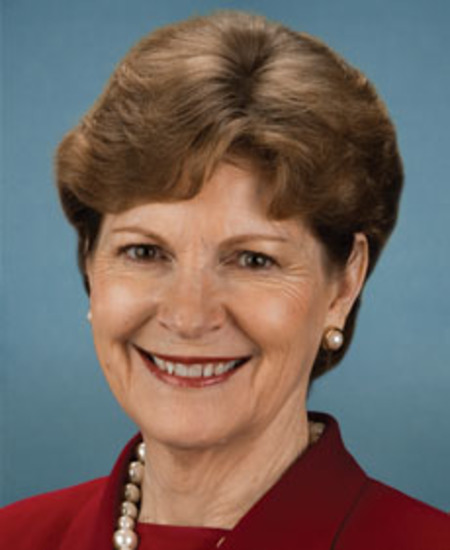
Sen. Jeanne Shaheen
Sponsored bills
Maddy summaryThis bill requires background checks for most private firearm transfers between unlicensed individuals by mandating that such transfers occur through a licensed dealer. It directly affects unlicensed buyers and sellers of firearms who would otherwise transfer guns without checks, except for specific exceptions like family gifts, law enforcement transfers, temporary safety-related transfers, or transfers for hunting/shooting at designated locations. Key provisions include requiring licensed dealers to conduct background checks as if they were transferring the firearm themselves and adding a new requirement for written certification from the unlicensed transferee. The bill does not create a national gun registry and leaves state laws intact.
Maddy summaryThe DISCLOSE Act of 2023 requires organizations making campaign-related disbursements over $10,000 to disclose detailed information about their funding sources, including the names and addresses of major donors and the top 5 or 2 funders for political communications. It closes loopholes allowing foreign nationals to influence U.S. elections by prohibiting foreign contributions to ballot initiatives and requiring disclosure of foreign money in campaigns. The bill also mandates "stand by every ad" requirements, requiring political communications to include disclaimers identifying who paid for them and listing major funders. These provisions apply to corporations, labor organizations, and other groups making political expenditures, with the goal of increasing transparency in campaign finance.
Maddy summaryThis bill authorizes Congress to award a gold medal in honor of Constance Baker Motley, a pioneering civil rights lawyer and the first African-American woman appointed to a federal judgeship. The medal will be presented posthumously to her son, Joel Motley III, and niece, Constance Royster, by congressional leaders. The bill directs the U.S. Treasury to design and strike the medal (featuring Motley's image and name) and permits the sale of bronze duplicates to cover production costs, with proceeds going to the U.S. Mint. This is a commemorative measure recognizing Motley's legacy, not a policy change affecting public programs or regulations.
Maddy summaryThis bill directs the National Academies to conduct two studies on PFAS chemicals (commonly called "forever chemicals" found in products like cookware and firefighting foam). The first study will assess human exposure pathways (air, water, food) and identify research gaps, while the second will evaluate toxicity and develop approaches for testing health impacts. A separate study will examine environmental treatment methods for PFAS contamination and identify safe alternatives to these chemicals. All findings will be published publicly as reports to Congress, guiding future federal research coordination - not regulatory action. The bill focuses on gathering scientific data to address knowledge gaps, as PFAS currently lack federal regulation.
No Tax Subsidies for E-Cigarette and Tobacco Ads Act This bill denies a tax deduction for expenses relating to direct-to-consumer advertising of tobacco products, including electronic nicotine delivery systems.
Maddy summarySRES 67 is a symbolic Senate resolution designating February 2023 as "Career and Technical Education (CTE) Month" to recognize CTE's role in preparing students for high-demand careers. It does not create new policies or funding but expresses Senate support for CTE programs that connect students with workforce skills in fields like healthcare, technology, and construction. The resolution encourages educators and parents to promote CTE as a valuable educational pathway, referencing the 106th anniversary of the foundational Smith-Hughes Vocational Education Act. As a procedural resolution, it has no direct impact on legislation or affected individuals.
Maddy summaryThis bill provides tax relief to new car dealers who sold inventory due to supply chain disruptions between March 2020 and January 2022. It allows dealers using the LIFO tax accounting method to avoid recognizing income from those sales in the year they occurred, instead deferring tax consequences until they replace the sold vehicles. Dealers have until 2026 to repurchase similar vehicles; if they fail to fully replace the inventory within this window, they must pay back the tax plus interest. The relief directly affects new car dealers who held LIFO inventory during the specified period and are subject to IRS tax rules.
Maddy summaryThe COMFORT Act (S 456) allows mental health professionals to provide emotional support counseling to military families anywhere in the U.S. (including states, D.C., and territories) without location restrictions for the provider or family. It specifically covers licensed mental health providers recognized by the Defense Secretary, or Department of Defense personnel/contractors working under authorized programs. The law removes barriers that previously required counseling to occur at specific locations, enabling services to be provided on-base, remotely, or at other locations within the U.S. This directly affects military families seeking non-medical counseling and the providers authorized to deliver it under Defense programs.
Maddy summaryThe Outdoors for All Act establishes a federal grant program to fund outdoor recreation projects in underserved communities. It provides funding for eligible entities (like cities, counties, tribes, or nonprofits) to acquire land for parks or develop outdoor facilities in qualifying areas - urban regions with 25,000+ people, adjacent clusters, or tribal lands. Grants prioritize projects that improve park access in low-income neighborhoods, engage youth, create jobs, and support cultural gathering spaces, while requiring a 100% cash or in-kind match (with possible waivers). Funds cannot cover maintenance, indoor facilities, or restricted-access land, and recipients must submit annual progress reports to the Interior Secretary.