

Maddy summaryThe Federal Mechanical Insulation Act of 2026 amends existing federal energy conservation laws to formally recognize mechanical insulation as an energy efficiency measure in government buildings. This legislation defines mechanical insulation as materials used in mechanical systems that meet specific engineering standards and reduce energy loss. Under the new requirements, federal facilities must identify these insulation measures during their comprehensive energy and water assessments. The bill applies specifically to the management and reporting of energy usage within federal properties.
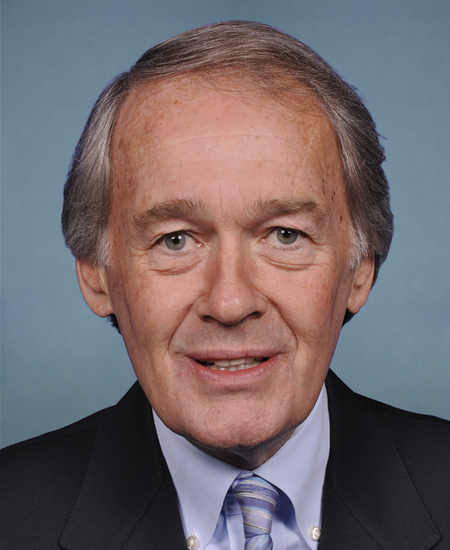
Sen. Edward J. Markey
Sponsored bills
Maddy summaryThis Senate resolution (SRES 670) expresses support for the goals of the 2026 Day of Silence, an event designed to highlight anti-LGBTQI+ bullying, harassment, and discrimination faced by individuals in K-12 schools. It focuses on improving the educational environment for all students, particularly LGBTQI+ young people, by drawing attention to issues like unequal educational opportunity and a lack of civil rights protections. The resolution encourages states, cities, and local school districts to adopt laws and policies that explicitly prohibit bullying and discrimination against students, teachers, and other school staff based on their sexual orientation, gender identity, or sex characteristics.
Maddy summaryThe Consumer Protection Remedies Act of 2026 amends the Federal Trade Commission Act to expand the Commission's legal tools for addressing consumer violations. It allows the FTC to seek court orders for returning money to harmed consumers, canceling or fixing unfair contracts, and requiring companies to give up illegal profits gained from violations. These new remedies are limited to actions taken within the last 10 years, and time spent by the accused party outside the United States does not count toward this deadline. The changes apply to any legal case started on or after the bill becomes law.
Maddy summaryThis bill, titled the "Keep Public Funds in Public Schools Act," repeals two sections of the Internal Revenue Code. It eliminates Section 25F, which provides a tax credit for contributions made to scholarship granting organizations. Additionally, the bill repeals Section 139K, which allows certain educational assistance to be excluded from an individual's gross income. These changes primarily affect taxpayers who currently claim these credits or exclusions, and organizations involved in scholarship grants or providing educational assistance. The amendments generally take effect for taxable years ending after December 31, 2026.
Maddy summaryThe Educational Equity Challenge Grant Act of 2026 establishes a federal grant program to provide funding to local and state educational agencies, non-profit partnerships, and other eligible entities. These grants aim to address students' academic, social-emotional, mental, behavioral, and physical health needs, especially those exacerbated by the COVID-19 pandemic. Funds will support either evidence-based activities or innovative, educator-initiated proposals, with specific allocations for rural areas, low-income student populations, and tribal schools. Priority will be given to applicants serving high-need students, including those from low-income families, students of color, and students with disabilities, to promote equitable educational outcomes. Grant recipients must report on how funds were used and their effect on student learning and well-being.
Maddy summaryThe Senior Hunger Prevention Act of 2026 aims to improve food access for older adults, adults with disabilities, and kinship families by expanding and streamlining several federal nutrition programs. The bill extends SNAP certification periods, creates a standard medical expense deduction, and establishes simplified application processes for eligible seniors and individuals with disabilities. It also funds a new program to reimburse retail food stores for delivering groceries to these vulnerable populations and provides grants for outreach and application assistance. Additionally, the Act expands eligibility and increases funding for the Commodity Supplemental Food Program and the Seniors Farmers' Market Nutrition Program, including grants for market modernization and infrastructure development to support local food access.
Maddy summaryThe Security And Freedom Enhancement Act of 2026, known as the SAFE Act, introduces new rules for how U.S. intelligence agencies collect and use information about Americans and people in the United States. The bill requires the FBI to conduct regular audits of its data queries, obtain additional approvals before searching for information about elected officials and judges, and create detailed records of all searches. It also limits when government agencies can access Americans' communications without a warrant and restricts intelligence agencies from purchasing personal data from private companies about people in the United States. The law increases transparency by requiring more detailed reports to Congress and the public about surveillance activities, and it expands the role of independent reviewers in court proceedings related to intelligence gathering.
Maddy summaryThis bill, known as the Rx ACCESS Act, aims to improve medication access for military beneficiaries enrolled in the TRICARE health program by allowing them to choose how they receive non-generic prescription maintenance medications starting in October 2026. It requires pharmacy benefit managers to reimburse retail pharmacies at least the actual cost of acquiring drugs plus a professional dispensing fee, and prohibits hidden fees on pharmacies. The bill also mandates annual audits by the Government Accountability Office to review reimbursement rates, pharmacy network adequacy, and beneficiary access, with results reported to congressional defense committees.
Maddy summaryThe Small Business Innovation and Economic Security Act amends the SBIR and STTR programs to enhance security reviews of small business concerns receiving federal research funding. It requires agencies to assess security risks related to foreign entities by checking against specific government lists, including those related to Chinese military-industrial complex companies. The bill creates a new "strategic breakthrough" funding mechanism for high-potential small businesses with specific requirements like prior awards and matching funds. It also reduces administrative burdens by setting limits on the number of proposals small businesses can submit and improves data collection about program awards. The bill extends the SBIR and STTR programs through fiscal year 2031.
Maddy summaryThis Senate resolution designates the first week of April as National Asbestos Awareness Week to raise public awareness about the dangers of asbestos exposure. The bill does not create new laws or regulations but instead calls for the Surgeon General to educate the public about asbestos-related health risks. It highlights that asbestos fibers can cause serious diseases like mesothelioma and asbestosis, particularly affecting workers and residents of older buildings constructed before 1975. The resolution also requests that a copy be sent to the Office of the Surgeon General to support ongoing health education efforts.