

Maddy summaryHR 3433, the "Give Kids a Chance Act of 2024," requires pharmaceutical companies developing certain cancer drugs to conduct pediatric studies if the drugs target molecular pathways relevant to childhood cancers. It directly affects drug manufacturers submitting new applications for cancer treatments, particularly those combining previously approved adult cancer drugs or containing a single new active ingredient. The bill amends FDA regulations to mandate these pediatric investigations only when specific conditions are met, such as when a drug's molecular target is relevant to pediatric cancer growth. The FDA must issue implementing guidance within 12 months, and reports to Congress will track implementation and effectiveness starting 2 years after enactment.
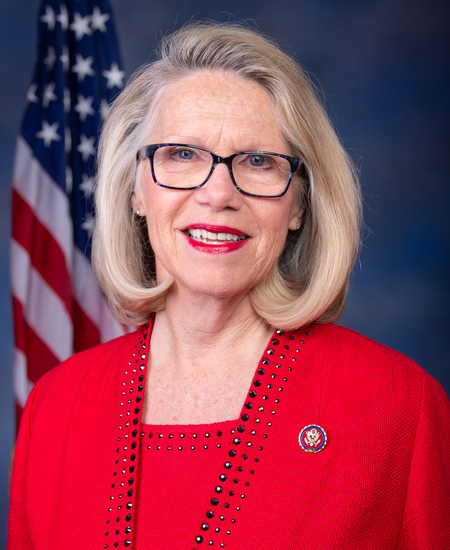
Rep. Carol D. Miller
Sponsored bills
Maddy summaryHCONRES 129 designates the week of September 22-28, 2024, as "National Fall Prevention Awareness Week" to raise public awareness about falls among older adults. The resolution cites CDC data showing falls cause approximately 14 million incidents, 3 million emergency visits, and $80 billion in annual medical costs for adults aged 65+. It supports existing evidence-based prevention strategies - such as balance exercises, home safety modifications, and medication management - without creating new legal requirements or funding. The bill focuses on awareness and collaboration among government agencies, healthcare providers, and community organizations to reduce fall risks.
Maddy summaryHJRES 136 is a resolution seeking to block an Environmental Protection Agency (EPA) rule that would have set new emissions standards for light and medium-duty vehicles sold in 2027 and later model years. The EPA rule, published in April 2024, aimed to require vehicle manufacturers to meet stricter pollution limits for these vehicles. If passed, this resolution would cancel the rule, preventing the EPA from enforcing the new standards. It uses a congressional process that allows Congress to reject agency rules with a simple majority vote.
Maddy summaryHJRES 144 is a congressional disapproval resolution targeting a specific rule issued by the Bureau of Alcohol, Tobacco, Firearms, and Explosives (ATF) on April 19, 2024. The resolution seeks to block the ATF's rule that redefined the term "engaged in the business" for firearm dealers, which would have affected how federal licensing requirements apply to certain sellers. If enacted, this resolution would nullify the rule, preventing it from taking effect under procedures in Title 5 of the U.S. Code. The bill directly impacts firearm dealers operating under the current regulatory framework and the ATF's enforcement authority.
Maddy summaryHR 6319 (the 911 SAVES Act of 2023) requires the Office of Management and Budget to reclassify public safety telecommunicators as "Protective Service Occupations" within 30 days of enactment. This change corrects their current misclassification in the federal Standard Occupational Classification (SOC) system, which is used for statistical data on jobs. The bill directly affects how these professionals - critical in emergency calls involving missing children, active threats, and officer safety - are officially categorized in government workforce data. It does not create new benefits or funding but aims to better recognize their lifesaving role through accurate federal job classification.
Maddy summaryThis bill (HJRES 163) is a congressional disapproval resolution targeting an Environmental Protection Agency (EPA) rule finalized on May 9, 2024. The EPA rule established new emissions standards for greenhouse gases from fossil fuel power plants (both new and existing) and repealed a previous rule called the Affordable Clean Energy Rule. The resolution would block this EPA rule from taking effect by invoking the Congressional Review Act (Chapter 8 of Title 5, U.S. Code). If passed, it would prevent the EPA rule from being enforced, directly affecting fossil fuel power plant operators and the EPA’s regulatory authority over emissions.
Maddy summaryH.J. Res. 117 is a joint resolution that would disapprove an Environmental Protection Agency (EPA) rule concerning the reconsideration of National Ambient Air Quality Standards for particulate matter. The EPA rule, published on March 6, 2024, was part of the agency’s process to review these standards, which set limits for harmful air pollutants. This resolution invokes a congressional disapproval procedure under federal law to block the rule from taking effect. If enacted, the rule would have no force or effect, preserving the existing air quality standards for particulate matter.
Maddy summaryHR 9660, the SEEK HELP Act, provides legal protections for individuals responding to opioid overdoses. It shields people from civil lawsuits for administering opioid reversal drugs (like naloxone) in good faith and protects those seeking medical help during overdoses from criminal prosecution or asset forfeiture related to drug possession. The bill requires the federal government to run public awareness campaigns about these protections and allows states to use grant funds for overdose response education. It also mandates a GAO report to evaluate how effectively these protections encourage overdose reporting and reduce fatalities. The law directly affects bystanders, emergency responders, and law enforcement officers handling overdose situations.
Maddy summaryHR 8292, the Taxpayer Data Protection Act, increases penalties for unauthorized disclosures of taxpayer information under the Internal Revenue Code. It raises fines from $5,000 to $250,000 per violation and increases potential jail time from 5 to 10 years for those who disclose such data. The bill also specifies that if a single disclosure affects multiple taxpayers, each affected person counts as a separate violation, potentially increasing penalties. This law directly affects IRS employees and government workers handling taxpayer data, applying to disclosures made after the bill's enactment.
Maddy summaryThis bill modifies Medicaid and CHIP rules to let eligible out-of-state healthcare providers enroll without extra state screening. It applies to providers already in Medicare or their home state program, with low fraud risk, serving children under 21 with complex medical conditions. Providers would receive 5 years of enrollment under this streamlined process, eliminating state-level barriers. The change directly affects children seeking specialized care across state lines and the providers who serve them.