

Maddy summaryHR 6231 extends and enhances the Work Opportunity Tax Credit (WOTC), a federal tax credit for employers hiring from specific target groups like veterans, SNAP recipients, and summer youth workers. The bill extends the program through 2030 (from 2025), increases the credit rate to 50% for certain wages (up from 40%), adds automatic inflation adjustments to the $6,000 wage cap, and expands eligibility to include military spouses and removes age limits for SNAP recipients. Key provisions also modify credit calculations for veterans, agricultural workers, and long-term assistance recipients, while requiring federal agencies to promote hiring from target groups in critical sectors like healthcare and construction. This bill directly affects employers who hire from these designated groups, making the tax credit more valuable and accessible.
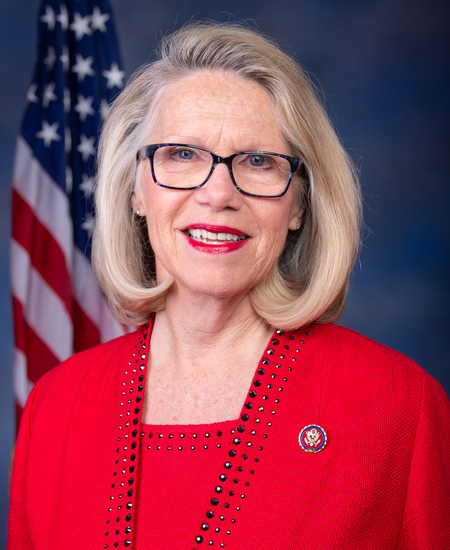
Rep. Carol D. Miller
Sponsored bills
Maddy summaryHRES 891 is a ceremonial House resolution supporting the designation of National Rural Health Day, observed annually on the third Thursday of November (November 20, 2025, this year). It recognizes rural health care providers and the challenges rural communities face in accessing care, citing issues like hospital closures and workforce shortages. The resolution does not create new policies, funding, or requirements; it solely expresses the House's support for the day's goals and commitment to improving rural health accessibility. This is a non-binding acknowledgment, not a legislative action with concrete policy changes.
Maddy summaryHR 5966 establishes the Ohio River Basin Restoration Program within the Environmental Protection Agency (EPA) to advance large-scale restoration and protection of the Ohio River Basin. The program, funded with $350 million annually from 2026-2030, directs the EPA to create a dedicated Program Office and advisory council including representatives from the 14 Ohio River Basin states, tribal governments, and regional agencies. It requires projects to improve water quality, increase flood resilience, restore habitats, control invasive species, and remediate toxins - prioritizing natural infrastructure like restored wetlands over traditional structures. The program mandates annual public reporting on progress, funding use, and project outcomes, with the EPA developing a detailed action plan within two years of enactment.
Maddy summaryHR 5926, the Mexican Energy Trade Enforcement Act, requires the U.S. Trade Representative to take specific actions to enforce Mexico's obligations under the USMCA regarding energy trade. It mandates either requesting a dispute resolution panel with Mexico under USMCA rules or demanding Mexico provide non-discriminatory market access for U.S. energy companies during the first USMCA review. The bill directly affects U.S. energy companies operating in Mexico and exporting energy to Mexico, which faced alleged preferential treatment of Mexico's state-owned energy firms (CFE and Pemex). The USTR must report to Congress within 90 days on actions taken under the law.
Maddy summaryHR 5917 allows the President to extend "normal trade relations" (most-favored-nation) treatment to products from specific countries by ending the application of Title IV of the 1974 Trade Act to those nations. The bill enables the President to determine that Title IV no longer applies to a "covered country" (excluding Belarus, Cuba, and North Korea) and then officially proclaim the extension of nondiscriminatory trade treatment for that country's products. This change directly affects importers and exporters dealing with goods from these covered countries, as it would remove tariffs or restrictions tied to Title IV. The key mechanism is the President's unilateral determination and proclamation, which would formally end Title IV's application to the designated country.
Maddy summaryHRES 823 is a symbolic resolution proposing to designate the week beginning October 19, 2025, as "Coal Week" to recognize the coal industry's historical and current contributions to U.S. energy, military readiness, and economic stability. It does not create new laws or funding, but rather offers non-binding support for acknowledging coal's role in providing reliable power (19.5% of U.S. electricity in 2022) and its declining emissions through technological advancements. The resolution highlights coal as a "reliable and affordable source of baseload power" and notes its global significance (36% of worldwide electricity). This is purely a commemorative gesture with no direct impact on policy or affected parties beyond symbolic recognition of the coal sector.
Maddy summaryThis bill adds Medicare coverage for multi-cancer early detection screening tests (blood or biological tests analyzing cell-free DNA) starting January 1, 2028. It directly affects Medicare beneficiaries aged 68 and older (starting in 2028, with the age limit increasing by 1 year annually), requiring tests to be FDA-cleared and deemed reasonable/necessary by the Secretary for early cancer detection across multiple organ sites. Payment will initially match current stool DNA test rates before 2031, then shift to a lower rate or new payment system after 2031, with limits preventing more than one test per year. The bill explicitly states it does not alter coverage for existing cancer screenings like breast, colorectal, or prostate cancer tests.
Maddy summaryThis bill would require all states to recognize valid concealed carry permits issued by other states, allowing permit holders to carry concealed handguns (excluding machine guns) in any state that either issues such permits or doesn't prohibit concealed carry. It directly affects law-abiding gun owners with valid permits from their home state, ensuring they can carry in states with similar permit systems or no prohibitions. Key provisions include treating valid permit documents as proof of legal carry (reducing officer stops), shifting the burden of proof to prosecutors if challenged, and allowing civil lawsuits for violations with attorney's fee awards. The bill does not override state laws restricting firearms on private property or government land, nor does it affect federal gun restrictions like those in section 922(q).
Maddy summaryThis concurrent resolution designates the week of September 22-28, 2025, as "National Falls Prevention Awareness Week" to raise public awareness about falls among older adults (65+). It directly affects older adults and organizations working on fall prevention, such as healthcare providers and community groups. The resolution cites CDC data showing falls cause 41,000 annual deaths and $80 billion in medical costs, while encouraging existing evidence-based strategies like home safety modifications and balance exercises. It does not create new laws or funding but supports awareness efforts and collaboration among federal agencies, the Aging Network, and healthcare providers.
Maddy summaryHRES 719 is a House resolution honoring Charles "Charlie" James Kirk, the founder of Turning Point USA who was assassinated on September 10, 2025. The resolution condemns his assassination and all political violence, extends condolences to his family, and calls on Americans to reject violence while promoting civil discourse. It specifically recognizes Kirk's legacy as a defender of constitutional principles and his role in inspiring youth through free speech and faith-based civic engagement. As a commemorative resolution, it does not enact policy changes but formally expresses the House's stance on honoring his life and legacy.