

Maddy summaryThe Badge-to-Business Act amends the Small Business Act to waive guarantee fees for express loans made to qualified career law enforcement officers starting January 1, 2027. To qualify, an officer must have completed at least ten years of service and not be facing a pending criminal investigation or administrative proceeding for misconduct related to their official duties. This fee waiver applies to both currently employed officers and those who have separated from service, provided they meet the conduct requirements at the time of application. The provision includes an exception allowing the Administrator to collect fees if the cost of guaranteeing these loans results in a net loss for the Administration in a given fiscal year.
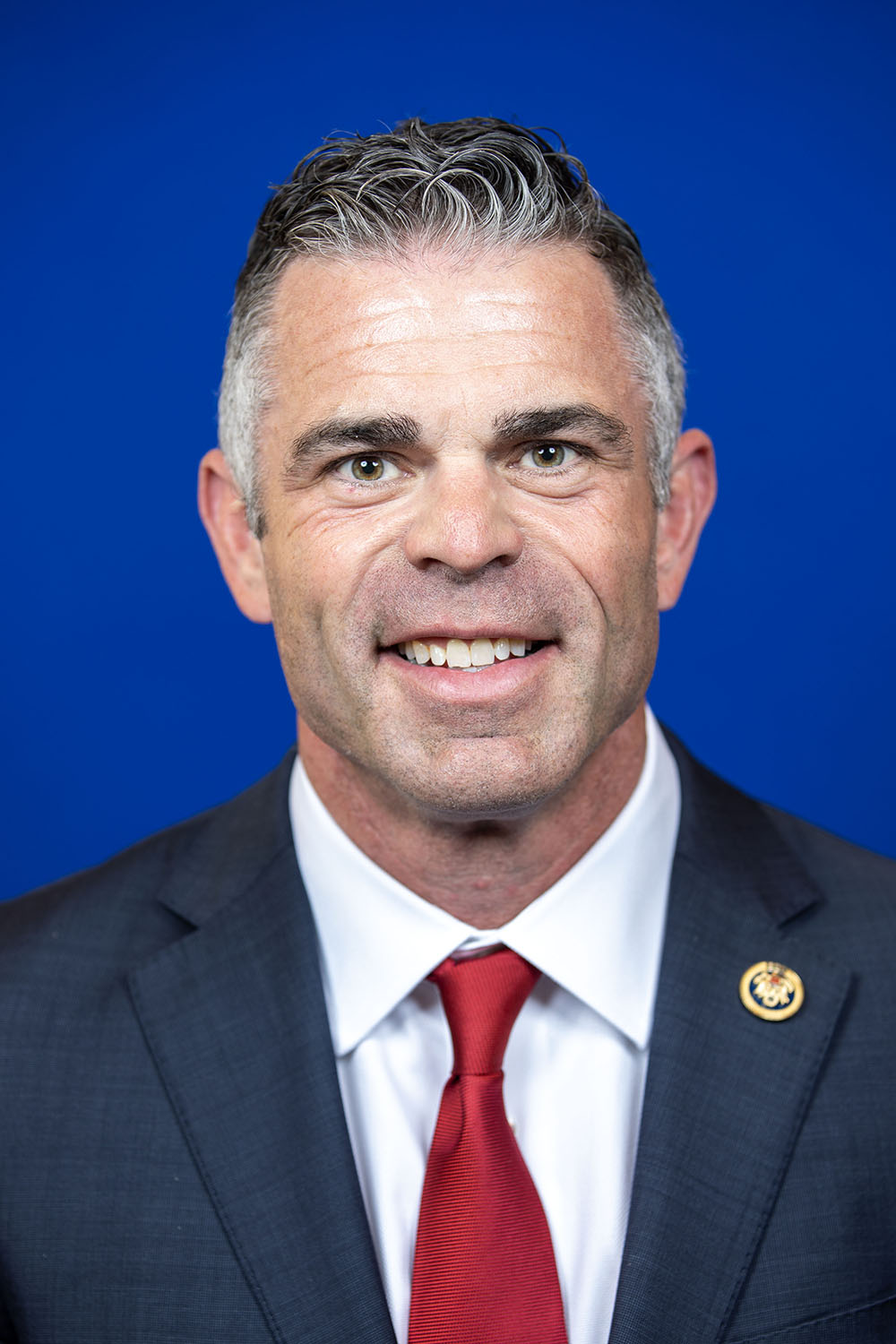
Rep. Tony Wied
Sponsored bills
Maddy summaryThis bill authorizes the establishment of two memorials honoring Wisconsin infantry regiments at Civil War battle sites. It directs the Secretary of the Interior to approve locations within Antietam National Battlefield for regiments that fought at Antietam (1862) and within Manassas National Battlefield Park for regiments that fought at the Second Battle of Bull Run (1862). The memorials must be funded and built by private entities - no federal funds may be used for design, acquisition, site preparation, or installation - and the National Park Service will assume maintenance responsibility after installation.
Maddy summaryHR 5267, the American Franchise Act, clarifies when franchisors can be considered joint employers of franchisee employees under federal labor laws. It defines "substantial direct and immediate control" over essential employment terms like wages, benefits, hours, hiring, and discipline - requiring franchisors to actively set these terms to be deemed joint employers. The bill explicitly excludes routine brand standards, training, or minimal safety requirements from constituting such control. This directly affects franchisors and franchisees by limiting joint employer liability to cases where franchisors exert significant, ongoing influence over core employment decisions. The law applies prospectively to new cases after enactment, not past disputes.
Maddy summaryThis House resolution marks the 25th anniversary of the September 11, 2001 terrorist attacks by formally honoring the memory of the nearly 3,000 victims and recognizing the sacrifices made by first responders, military personnel, and the passengers of United Airlines Flight 93. The bill acknowledges the ongoing health challenges faced by survivors and responders, highlighting the role of the World Trade Center Health Program in providing long-term medical support. It also credits charitable organizations and community groups that have continued to assist victims' families and veterans over the past two decades. Finally, the resolution urges the American public to observe the anniversary with ceremonies and reaffirms Congress's commitment to remembering the events and lessons of that day.
Maddy summaryThe Foreign Propaganda Disclosure Act amends the Foreign Agents Registration Act to explicitly include social media influencers in its regulatory scope. The bill defines a social media influencer as any individual who maintains a monetized account on a social media platform, using an existing definition from the Trafficking Victims Prevention and Protection Reauthorization Act of 2022. By making this addition, the legislation requires these specific digital content creators to comply with the same registration and disclosure obligations currently applied to other foreign agents.
Maddy summaryThe Protecting Local Control of Data Centers Act prohibits federal agencies from overriding state or local authority over the zoning, siting, and permitting of data centers built on non-federal land. The bill also prevents federal agencies from conditioning financial assistance on a local government's agreement to limit its regulatory power in this area. This legislation directly affects state and local governments by ensuring they retain full control over decisions regarding where data centers can be located within their jurisdictions.
Maddy summaryThis resolution honors small businesses that manufacture firearms and accessories, noting their role in supporting the economy, rural communities, and recreational shooting traditions. It acknowledges that these companies contribute significantly to the national economy and help facilitate the exercise of Second Amendment rights through the production of guns, ammunition, and related items. The measure also officially designates August 2026 as "National Shooting Sports Month" to recognize the cultural importance of activities like target shooting, hunting, and competitive marksmanship. As a non-binding resolution, it expresses the House's support for policies that aid the growth and innovation of these small manufacturers without changing any laws.
Maddy summaryThe SERVE Act extends the post-employment restrictions for current and future members of Congress to ten years instead of the previous one or two years. Specifically, it prevents former lawmakers from lobbying Congress and from working as federal contractors during this extended cooling-off period. These rules apply only to individuals who leave their congressional seats on or after the date the law is enacted. The bill aims to reduce conflicts of interest by ensuring that members of Congress cannot immediately use their influence for private gain after their service ends.
Maddy summaryThe Protection Against Mass Surveillance Act prohibits federal agencies from buying, using, or contracting for automated surveillance systems that rely on license plate recognition, facial recognition, biometric identification, or other technologies designed for mass tracking. It also prevents state, local, and tribal governments from using federal funds to acquire or operate these same surveillance tools. If federal agencies obtain data in violation of these rules, the law requires them to delete the information within 30 days and bars its use as evidence in any court or administrative proceeding.
Maddy summaryHR 7651, the Chloe Cole Act of 2026, prohibits healthcare providers from performing certain medical interventions on minors under 18 aimed at altering physical development to align with gender identity. These "covered interventions" include puberty blockers, hormone treatments, and specific surgeries, but exclude medically necessary care for conditions like disorders of sexual development or traumatic injuries. The bill creates a federal civil lawsuit right for affected minors or their parents against providers who perform such interventions, allowing claims for damages including emotional distress and punitive awards, with strict liability for providers after the law's enactment. It explicitly allows exceptions for legitimate medical treatments and requires providers to prove such exceptions apply if challenged.