

Maddy summaryHRES 933 is a non-binding House resolution expressing support for victim service providers who assist survivors of domestic violence, dating violence, sexual assault, and stalking. It acknowledges these providers - such as shelters, nonprofits, and community organizations - help survivors navigate legal, medical, and emotional challenges, including safety planning and connecting to resources. The resolution highlights their critical but often underfunded role and calls for meaningful investment to sustain their lifesaving work. (Note: As a resolution, it does not create new laws or funding but formally recognizes the need for support.)
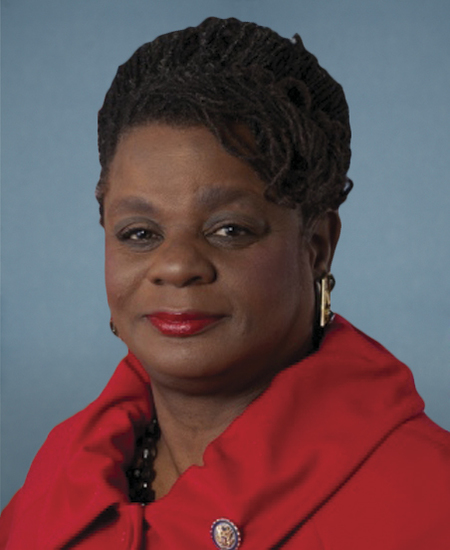
Rep. Gwen Moore
Sponsored bills
Maddy summaryThis bill removes barriers for people with past drug-related convictions to access federal assistance programs. It amends welfare law to allow states to provide Temporary Assistance for Needy Families (TANF) benefits to individuals with such convictions and prohibits states from denying Supplemental Nutrition Assistance Program (SNAP) benefits based on drug convictions. The bill also adds "incarcerated individuals scheduled for release within 30 days" to SNAP household eligibility criteria. These changes directly affect individuals with past drug convictions seeking welfare or food assistance, removing state-level restrictions that previously barred them.
Maddy summaryThe Dignity for Detained Immigrants Act establishes minimum standards for detention facilities operated by the Department of Homeland Security, requiring them to follow the American Bar Association's Civil Immigration Detention Standards. It mandates annual unannounced inspections by the DHS Inspector General, with penalties including fines for noncompliant private facilities and transfers of detainees from noncompliant facilities. The bill requires DHS to publicly report on facility compliance, phase out private detention facilities over three years, and prohibit solitary confinement. It also ensures detainees have access to legal orientation, counsel, and more frequent custody review hearings. The bill directly affects all individuals detained in DHS custody, including immigrants, asylum seekers, and refugees held in facilities operated by or contracted to DHS.
Maddy summaryHR 6391, the Save Oak Flat from Foreign Mining Act, repeals Section 3003 of the 2014 National Defense Authorization Act that would have transferred Oak Flat (2,422 acres in Arizona’s Tonto National Forest) to Resolution Copper for mining. The bill withdraws Oak Flat from all public land use, preventing the foreign-owned mining venture (Rio Tinto/BHP) from extracting copper beneath the site for export to China. It directly protects the area, which is a sacred site for Indigenous peoples and a National Register Historic Property, from a mine projected to consume 250 billion gallons of groundwater over 40 years and cause significant land subsidence. The bill halts a process that would have allowed foreign corporations to mine copper from public land without requiring domestic smelting or benefiting U.S. consumers.
Maddy summaryHRES 919 is a non-binding resolution commemorating World AIDS Day (December 1) and supporting global efforts to end the HIV/AIDS epidemic. It encourages achieving "zero new HIV transmissions, zero discrimination, and zero AIDS-related deaths" by 2030, promotes awareness of U=U (Undetectable=Untransmittable) treatment, and urges continued U.S. funding for HIV prevention, treatment, and research programs domestically and globally. The resolution does not create new laws but symbolically affirms support for existing initiatives like PEPFAR and the Ryan White CARE Act, while highlighting disparities affecting communities of color, transgender individuals, and people in the Southern U.S.
Maddy summaryHR 6358, the Veteran Education Empowerment Act, creates a federal grant program to help colleges establish or improve dedicated Student Veteran Centers. These centers provide veterans, active-duty service members, and their families with lounge space, benefits counseling, academic support, and mental health services. Institutions must serve significant numbers of veterans and have sustainability plans to qualify for grants, with funding capped at $500,000 per institution over four years. The bill directly affects colleges serving veterans and aims to address challenges like isolation and transition difficulties through centralized campus support.
Maddy summaryThe SNAP Back Act of 2025 expands eligibility for the Supplemental Nutrition Assistance Program (SNAP) by adding three new categories of individuals who would qualify as part of a "household" under the Food and Nutrition Act. It directly affects homeless individuals, veterans, and young adults (24 or younger) who were in foster care under state responsibility until age 18 or older. The bill amends Section 6(o) of the Food and Nutrition Act to include these groups in the existing definition of eligible households, removing barriers to food assistance. This change would allow these specific populations to access SNAP benefits under the same rules as current eligible groups.
Maddy summaryThis House resolution (HRES 907) honors the six victims of the November 21, 2021, Waukesha, Wisconsin, Christmas parade attack - Wilhelm Hospel, Virginia Sorenson, LeAnna Owen, Tamara Durand, Jane Kulich, and Jackson Sparks - and extends condolences to their families. It recognizes the community’s healing efforts, including existing memorials like the 2023 parade memorial and 2025 park sculpture, while applauding first responders and the "Waukesha Strong" resilience. The resolution has no policy or funding provisions - it is purely ceremonial, acknowledging past tragedy and community response without creating new government action.
Maddy summaryHRES 905 is a non-binding House resolution supporting the designation of November 2025 as "National Homeless Children and Youth Awareness Month." It does not create new programs or funding but formally encourages businesses, governments, schools, and organizations to raise awareness about homelessness affecting children and youth during that month. The resolution cites statistics on homelessness rates among students and youth (e.g., 1.4 million enrolled homeless children in 2022-2023) to underscore the need for greater public attention. It urges these groups to highlight causes, solutions, and prevention efforts during the designated month.
Maddy summaryHRES 909 is a House resolution affirming that immigrant justice and reproductive justice are interconnected and must be addressed together. It calls on the Department of Homeland Security to reinstate protections for pregnant individuals in detention, eliminate the 5-year bar restricting immigrants’ access to federal health programs like Medicaid, and implement transparent oversight of reproductive health care in detention facilities. The resolution also urges Congress to remove barriers to health care access for immigrants and requires federal agencies to report on policies affecting reproductive health care for detained individuals. This resolution directly affects policies toward immigrants in detention, particularly regarding access to abortion, prenatal care, and mental health services, but does not create new laws.