

Maddy summaryThis bill extends the Public Health and Bio-Preparedness Workforce Loan Repayment Program through fiscal years 2026 to 2030, replacing the previous 2023-2025 funding period. It directly affects public health workers (such as epidemiologists, laboratory staff, and emergency response personnel) who have federal student loans. The key provision reauthorizes existing funding to help these workers repay student debt by providing federal reimbursements. This maintains a critical workforce retention tool for agencies like the CDC and state health departments without creating new benefits or altering eligibility. The change is procedural, solely adjusting the program's funding timeline.
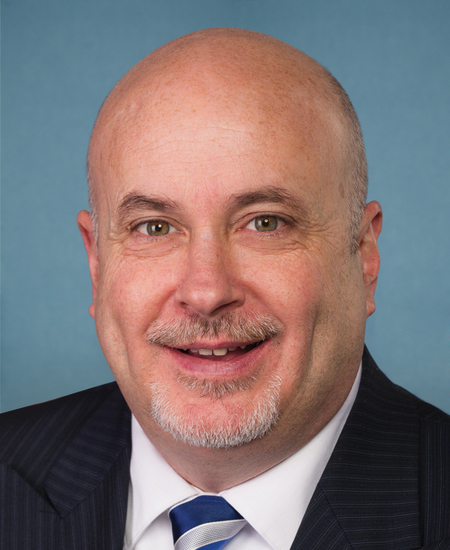
Rep. Mark Pocan
Sponsored bills
Maddy summaryThis bill establishes federal worker heat protection standards to prevent heat-related illness and injury. It requires employers to provide a workplace free from heat stress hazards, including access to cool water, scheduled rest breaks, shaded cooling areas, and training on heat illness symptoms. The Secretary of Labor must create these standards within one year, incorporating evidence-based practices like engineering controls (e.g., ventilation), administrative measures (e.g., adjusted schedules), and employer-paid personal protective equipment. The law directly affects all employers in high-heat work environments - such as construction, agriculture, and manufacturing - and strengthens whistleblower protections for workers reporting safety violations.
Maddy summaryThe Housing Is a Human Right Act of 2025 creates new federal programs to address homelessness and housing instability. It establishes a CDBG Plus program to fund permanent affordable housing, supportive services, and basic infrastructure like public bathrooms and rest areas for homeless individuals. The bill prohibits criminalizing homelessness (such as sleeping in public) and requires jurisdictions to adopt "Housing First" approaches that connect people to housing without preconditions like sobriety requirements. It also creates new taxes on luxury real estate sales and large landlords to fund these programs, and includes provisions to help homeless people vote by removing barriers like ID requirements. The bill directly affects people experiencing homelessness, housing instability, and those who are cost-burdened (spending over 22% of income on housing), as well as local governments and housing providers.
Maddy summaryHR 4440, the *Protecting Federal Employee Rights to Personnel Files Act of 2025*, requires federal agencies to provide current and former employees with copies of their official personnel files. Current employees must receive copies within seven days of requesting them, while employees who separated after the law's enactment get copies within seven days of separation. Former employees who separated before the law's enactment must receive copies within 21 days of requesting them from the Office of Personnel Management. The bill mandates these copies be provided in both electronic and physical formats, directly affecting all federal workers seeking access to their personnel records.
Maddy summaryThe Child Care for Working Families Act creates a federal program to provide affordable, high-quality child care for working families with children under age 6. It would provide direct child care assistance through certificates or grants to parents, with no copayment required for families at or below 85% of state median income. The program requires states to implement quality standards for child care providers, including a tiered quality system and minimum wage requirements for staff (at least a living wage equivalent to elementary educators). The bill appropriates $20 billion for the program over five years, with additional funding for quality improvement initiatives and universal preschool services.
Maddy summaryThis bill would allow states to create their own universal health care systems by applying for waivers that replace federal health programs with state-based coverage. States would need to demonstrate they can cover at least 95% of residents within 5 years, maintain comparable benefits and affordability, and provide comprehensive coverage including reproductive health services. The federal government would redirect funds that would have gone to federal programs like Medicaid and Medicare to the states, with states required to submit regular reports on coverage progress and costs. The bill includes specific protections for Indian health care providers and ensures coverage for vulnerable populations without imposing new costs on them. This framework would apply to states that choose to implement their own universal health care system rather than relying on existing federal programs.
Maddy summaryHR 4365, the Consumer Online Payment Transparency and Integrity Act, requires businesses to clearly disclose automatic renewal terms and cancellation procedures when selling goods or services with free trials or automatic renewal features. It mandates 7-day advance notice before charging consumers for renewals, requires express consent for each renewal (not just initial sign-up), and ensures cancellation is as easy as signing up (via online tools or toll-free numbers). The bill also prohibits "dark patterns" (manipulative design) from tricking consumers into unintended charges and voids automatic renewals if businesses violate these rules, requiring refunds for affected consumers. This directly affects consumers who encounter surprise charges from subscriptions or free trials that convert to paid services without clear consent.
Maddy summaryHRES 575 is a symbolic resolution designating July 10th as "Journeyman Lineworkers Recognition Day." It honors lineworkers who face significant risks daily - working at heights near live wires and responding to disasters like hurricanes and wildfires. The resolution specifically references Henry Miller, an early leader of the International Brotherhood of Electrical Workers, who died on July 10, 1896, while troubleshooting an outage. It encourages the public to recognize these workers' contributions but does not create new laws or allocate funding.
Maddy summaryThe Wild Horse and Burro Protection Act of 2025 requires the Bureau of Land Management (BLM) to eliminate helicopter and fixed-wing aircraft use in rounding up wild horses and burros over a two-year phase-out period. It mandates that any remaining aircraft used for these operations must have cameras recording the process, with footage made public in BLM reports. The bill addresses findings that helicopter roundups cost taxpayers over $69.5 million since 2012 and that the BLM spends less than 1% of its budget on fertility controls - a more humane, cost-effective alternative. The legislation also directs the Government Accountability Office to report on humane alternatives, job opportunities, and aircraft impacts on horse populations within one year of enactment.
Maddy summaryHR 4303 establishes a new Special Envoy for Humanitarian Aid Workers within the State Department, appointed by the President and reporting to the Secretary of State. The envoy investigates deaths or detentions of U.S.-supported aid workers, advocates for better security coordination between aid groups and foreign forces, and reports annually to Congress on security challenges and U.S. humanitarian aid distribution. The bill also prohibits U.S. security assistance to countries that unlawfully kill or fatally injure aid workers unless those countries investigate violations and implement corrective actions. Key provisions include mandatory reports to Congress on aid worker safety, coordination with the UN, and requirements for a 90-day investigation into aid worker deaths or detentions. This directly affects U.S. humanitarian aid workers operating in conflict zones and foreign governments receiving U.S. security assistance.