

Maddy summaryThis bill would impose a tax on hedge funds and large real estate investors who own more single-family homes than a gradually decreasing threshold (starting at 90% of their previous year's holdings and phasing down to 0% after 9 years). The tax would be $50,000 per excess property for each year they exceed their limit. Revenue from the tax would fund a down payment assistance program that prioritizes families buying homes from these investors. The bill aims to limit large-scale investment in single-family homes by these entities while providing financial assistance to homebuyers.
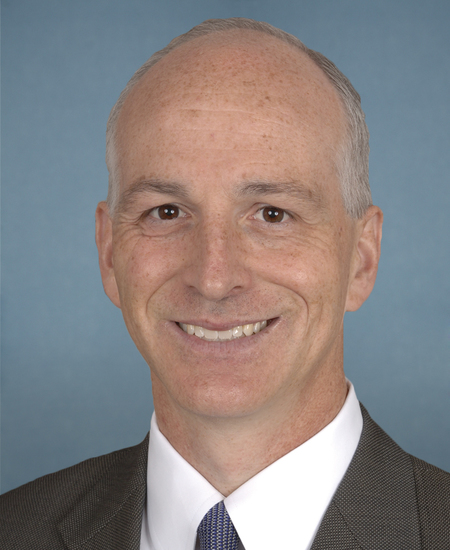
Rep. Adam Smith
Sponsored bills
Maddy summaryThe Immigration Visa Efficiency and Security Act of 2023 caps family-based immigrant visas for any single country at 15% (2% for dependent areas) of total visas annually, addressing longstanding visa backlogs for certain nations. It establishes new requirements for H-1B employers, including posting job openings on a Department of Labor website, meeting specific wage requirements (minimum $90,000 or prevailing wage), and preventing discrimination against workers. The bill also creates enhanced procedures for investigating H-1B violations, increases penalties for noncompliance, prohibits certain visas for nationals of "foreign adversary countries," and establishes a new pathway for employment-based immigrants to adjust their status with specific job requirements during the process.
Maddy summaryHR 6451, the Mental Health Justice Act of 2023, provides $250 million in federal grants to states, tribes, and localities to hire mental health professionals as first responders for specific emergencies. It directs these professionals to replace police in situations involving mental health crises, substance use, or intellectual/developmental disabilities - such as when a 911 caller describes a mental health emergency or a first responder identifies someone needing mental health support. The bill requires grantees to train responders in de-escalation techniques, link individuals to community-based services (not incarceration), and report on outcomes like reduced arrests or use of force. It also mandates data collection on demographics and prevents funneling people into institutional settings, with annual reports to Congress on program effectiveness.
Maddy summaryHRES 881 is a symbolic House resolution commemorating the 50th anniversary of the Endangered Species Act of 1973. It honors the Act's role in preventing the extinction of species like the bald eagle and humpback whale, citing its success in protecting 99% of listed species. The resolution does not create new legal requirements or affect any specific group, as it serves solely as a ceremonial recognition of the Act's conservation achievements.
This resolution congratulates the Millennium Challenge Corporation (MCC) on 20 years of reducing global poverty by delivering economic growth and recognizes that the MCC contributes directly to the national interests of the United States. (The MCC is an independent federal agency that provides economic assistance to developing nations that show positive performance in the areas of democratic governance, economic freedom, and investment in their population.)
Maddy summaryHRES 875 is a symbolic House resolution expressing support for National Adoption Day (November 18, 2023) and National Adoption Month (November). It does not create new laws or policies but formally encourages the public to consider adoption and recognizes the importance of permanent families for children in foster care. The resolution highlights that approximately 114,000 children in the U.S. foster system await adoption and emphasizes the goal of securing safety and permanency for all children. It urges Americans to support adoption efforts during November and throughout the year. This resolution has no direct legal effect on adoption processes or funding.
Maddy summaryHR 6439, the Pre-Apprenticeship Wrap-around Support Services Fund Act of 2023, provides federal grants to fund stipends for individuals enrolled in pre-apprenticeship programs. These stipends cover transportation costs, lost wages from reduced work hours, and industry certification fees, prioritizing participants facing employment barriers. The bill requires grantees (like community organizations or schools) to track outcomes, including job placement rates, earnings, and credential attainment within 12 months of program completion. Administered by the Department of Labor, it aims to support smoother transitions into registered apprenticeships by addressing immediate financial hurdles for program participants.
Maddy summaryHR 6296, the HCBS Relief Act of 2023, increases federal funding for Medicaid home and community-based services (HCBS) by boosting the Federal Medical Assistance Percentage (FMAP) by 10 percentage points for participating states during fiscal years 2024-2025. States must apply to use these funds to raise wages and improve working conditions for direct care workers (like home health aides), reduce waiting lists for services, and help individuals transition from nursing facilities back to community care. The bill requires states to spend funds by 2027 on specific activities, including paid leave, hazard pay, and supporting family caregivers, while reporting on outcomes like service access and beneficiary outcomes. It directly affects Medicaid beneficiaries receiving HCBS and the providers who serve them across participating states.
Maddy summaryThis bill requires military commanders to approve leave for active-duty service members and their dependents seeking abortion care without needing to disclose the specific procedure. It mandates reimbursement for travel costs to clinics providing abortion services when local access is unavailable and protects the privacy of those using this leave. The bill explicitly prohibits any negative consequences for service members who request or take such leave. It directly affects military personnel and their families by ensuring timely, private, and accessible abortion care without command interference.
Maddy summaryThis bill creates a program allowing ranchers to voluntarily surrender grazing permits on federal lands across 16 Western states (AZ, CA, CO, ID, KS, MT, NE, NV, NM, ND, OK, OR, SD, UT, WA, WY). Ranchers can permanently end livestock grazing on their designated allotment by waiving their permit, leading to immediate termination of the permit and a permanent ban on new grazing permits in that area. The program accepts up to 100 total permits annually nationwide and up to 25 per state, with priority given on a first-come, first-served basis. It also ensures retired grazing areas are secured against trespass grazing and preserves existing water rights and other legal interests.