

Rural Obstetrics Readiness Act This bill creates and expands federal grant programs within the Health Resources and Services Administration (HRSA) to increase capacity to provide emergency obstetric health services in rural areas or areas without practitioners or facilities specializing in obstetric services. Specifically, HRSA must establish a program for providing grants to certain hospitals or consortiums that include hospitals in rural areas or areas with maternal health care professional shortages for training, developing a workforce, and purchasing equipment relating to obstetric emergencies. In addition, the bill requires HRSA’s Alliance for Innovation on Maternal Health Capacity program to provide grants for training on emergency obstetric services for practitioners in rural health care facilities without dedicated obstetric units. HRSA must also establish a pilot program to provide grants to government entities for developing or improving telehealth access programs to support urgent maternal health care in rural facilities without a dedicated obstetric unit.
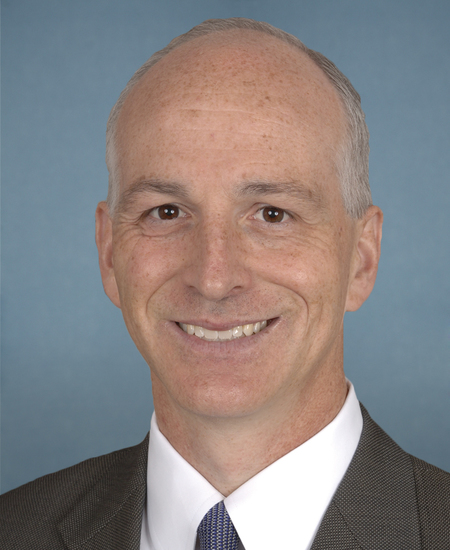
Rep. Adam Smith
Sponsored bills
Maddy summaryHR 1196 prohibits using federal funds to eliminate the U.S. Agency for International Development (USAID) as an independent agency, as defined by law. It requires the Secretary of State to certify annual compliance with this restriction to the House Foreign Affairs and Senate Foreign Relations committees. The bill directly affects USAID's operational status and U.S. foreign aid programs by preventing congressional or executive actions that would dismantle or merge the agency, maintaining its role in U.S. international development efforts.
Maddy summaryThis bill restricts access to Treasury payment systems (including the Bureau of the Fiscal Service) to only Treasury employees with a "fully successful" performance rating and at least one year of civil service, or contractors/outsiders with security clearances, required privacy/cybersecurity training, ethics agreements, and no conflicts of interest. It treats non-government users accessing these systems as government employees for ethics rules and defines specific actions (like stopping payments) as "personal and substantial participation" in government matters. The Treasury Inspector General must investigate any unauthorized access within 30 days and report to Congress, detailing the breach, security risks, and any halted payments. The bill directly affects Treasury staff, contractors, and any external entities accessing federal payment systems.
This resolution supports the designation of Career and Technical Education Month to celebrate career and technical education across the United States.
Maddy summaryHR 1086, the Agriculture Export Promotion Act of 2025, increases funding for two key U.S. Department of Agriculture export programs to boost agricultural trade. It raises the Market Access Program budget from $255 million to $489.5 million annually and doubles the Foreign Market Development Cooperator Program base funding from $200 million to $400 million, with cooperator funding increasing from $34.5 million to $69 million. These changes, effective through 2029, address years of stagnant funding while aiming to counter competitive disadvantages from foreign agricultural export programs. The bill directly supports U.S. agricultural producers - from apple growers to seafood exporters - by expanding access to international markets through these programs.
Protecting Sensitive Locations Act This bill prohibits immigration enforcement actions within 1,000 feet of a sensitive location except in exigent circumstances, such as the imminent risk of death, violence, or physical harm to any person. Sensitive locations include health care facilities; schools and school bus stops; places that provide assistance for people such as children, pregnant women, and abuse victims; child care facilities; places that provide disaster or emergency services; places of worship; courthouses and lawyers’ offices; facilities used as polling places; certain labor union facilities; and public assistance offices. The prohibition shall apply to Department of Homeland Security officers and agents, as well as state employees pursuing immigration enforcement actions. If an enforcement action is carried out in violation of this prohibition (1) no information resulting from the action may be entered into the record in a resulting removal proceeding, and (2) the affected individual may move to immediately terminate such a proceeding. U.S. Immigration and Customs Enforcement and U.S. Customs and Border Protection shall annually report to Congress about enforcement actions taken at sensitive locations in the preceding year.
Protect Our Letter Carriers Act of 2025 This bill requires or authorizes certain actions related to the U.S. Postal Service (USPS). The bill requires the Department of Justice to appoint an assistant U.S. attorney in each judicial district to coordinate and supervise the investigation and prosecution of various crimes related to postal services (for example, assault on a postal service employee, breaking into a post office, or obstruction of mails). The bill also requires the U.S. Sentencing Commission to amend sentencing guidelines to provide that the assault or robbery of a postal employee shall be treated the same as the assault of a law enforcement officer. Additionally, the bill authorizes appropriations for the USPS to install high security collection boxes and replace older versions of the universal mailbox key with electronic versions.
Maddy summaryThe Scientific Integrity Act requires federal agencies that fund, conduct, or oversee scientific research to adopt policies preventing political interference in scientific work. These policies must prohibit suppressing, altering, or delaying the communication of scientific findings and ensure hiring and decisions are based on expertise - not politics. Agencies must appoint a Scientific Integrity Officer to enforce the policies, handle complaints, and submit annual reports to Congress and the Office of Science and Technology Policy. The bill directly affects scientists and staff in covered agencies by safeguarding their ability to share research freely and maintain ethical standards in scientific communication.
Maddy summaryThe CLEAR Act extends the Freedom of Information Act (FOIA) to certain federal entities established under Section 3161 of Title 5, United States Code, including the National Archives and Records Administration. It requires these entities to process FOIA requests for all records - regardless of when they were created - starting from the law's enactment date. This change directly affects the public, who can now access historical and current records held by these entities through FOIA. The bill does not alter existing record-keeping practices but ensures consistent access to information across these specific federal bodies.
Maddy summaryHRES 116 is a non-binding House resolution condemning pardons granted to individuals convicted of assaulting Capitol Police officers. It expresses the House's disapproval of such pardons but does not alter any laws or affect legal proceedings. The resolution has no legal force and serves only as a formal statement of disapproval by the sponsoring lawmakers. It directly addresses the pardons of specific individuals found guilty in criminal cases related to the January 6, 2021, Capitol breach.