

Maddy summaryHRES 432 is a non-binding House resolution designating May as "Sex Ed For All Month" to promote inclusive, comprehensive sex education. It encourages schools, governments, and health organizations to adopt evidence-based programs that are medically accurate, culturally responsive, and inclusive of LGBTQ+ youth and racial/ethnic minorities. The resolution specifically recommends curricula covering consent, sexual health, and equity while discouraging programs that withhold critical information or perpetuate stereotypes. As a symbolic resolution, it does not create new laws but aims to influence policy discussions around youth sexual health access.
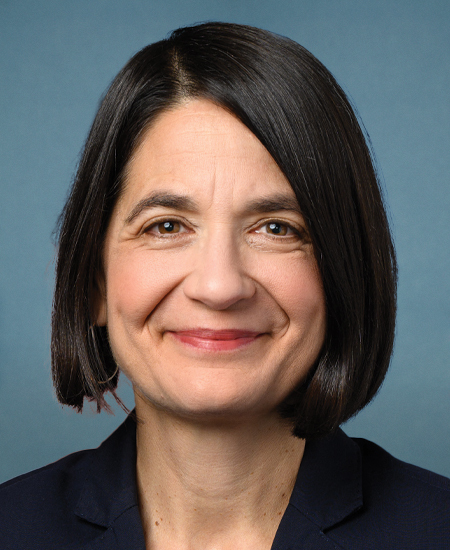
Rep. Becca Balint
Sponsored bills
Maddy summaryHR 3713 creates federal grants to fund comprehensive school-based mental health programs for students in grades K-12, including those in Bureau of Indian Education schools. It requires partnerships between schools and community mental health providers to deliver trauma-informed, culturally appropriate services addressing suicide risk, grief, violence, and trauma exposure. The bill authorizes $300 million annually (2024-2027) for these programs, mandating privacy protections under HIPAA and FERPA, and requires annual reporting on program effectiveness.
Maddy summaryThis bill creates a new grant program under the Public Health Service Act to provide emergency funding for health care facilities during declared emergencies (like pandemics or natural disasters). It authorizes grants to public or private nonprofit health care facilities and home health agencies to pay hazardous duty compensation to eligible health care workers - such as nurses, medical technicians, and facility cleaners - performing essential on-site work. Grants can cover up to $13 per hour in hazard pay (capped at $25,000 annually per worker) or fund safety measures like personal protective equipment and alternative transit. The program requires the Secretary of Health and Human Services to determine if work or commutes are hazardous during emergencies.
Secure Testing Resources Instead of Prosecuting Act or the STRIP Act This bill exempts the possession, sale, or purchase of fentanyl drug testing equipment, including test strips, from criminal penalties under the Controlled Substances Act.
Maddy summaryThis bill amends the Older Americans Act to better serve LGBTQI older adults (defined as lesbian, gay, bisexual, transgender, queer, intersex individuals, and those living with HIV) by adding specific definitions and creating new support structures. It establishes an Office of LGBTQI Inclusion within the Administration on Aging, led by a Director and Assistant Director, to coordinate services, advocate for this community, and collect data on their challenges. The bill also creates a National Resource Center on LGBTQI Aging to provide training and resources to organizations serving LGBTQI older adults and requires data collection on discrimination against them in long-term care settings. These changes aim to improve access to culturally competent services and address the unique needs of LGBTQI older adults through concrete policy updates.
Maddy summaryHRES 439 is a non-binding resolution expressing the House of Representatives' support for keeping the U.S. Postal Service (USPS) as an independent federal agency, not subject to privatization. It highlights USPS's constitutional role, self-sustaining nature (relying on service revenue, not taxpayer funds), and its importance to rural communities, e-commerce, and over 600,000 employees. The resolution urges Congress to take action to preserve USPS's independence, emphasizing that privatization could raise prices, reduce services, and harm the nation's mail infrastructure. As a procedural resolution, it does not change law but formally states the House's position.
Maddy summaryThis bill prohibits corporal punishment (such as spanking or paddling) in all schools receiving federal funding, directly affecting students, school personnel, and school administrators. It requires schools to notify parents within 24 hours if corporal punishment occurs and establishes enforcement through civil lawsuits by students/parents, Attorney General actions, and Office for Civil Rights oversight. The bill mandates states to submit school climate reports and develop training programs on positive behavioral interventions to reduce exclusionary discipline practices that disproportionately affect students of color, students with disabilities, and other marginalized groups. It creates a grant program to help schools implement these approaches, with priority given to schools with high suspension rates and disciplinary actions. The bill does not apply to private schools or home schools that don't receive federal funding.
This resolution encourages the U.S. Holocaust Memorial Museum to continue its work in educating the public about the dangers of antisemitism and the origins of the Holocaust, congratulates those responsible for the creation of the museum, condemns antisemitism, supports educational and community-based programs that counter antisemitism and hate, and supports the designation of a U.S. Holocaust Memorial Museum Day.
Maddy summaryThis bill would designate approximately 1.7 million acres of public land in Utah's Colorado Plateau and Great Basin regions as wilderness areas, protecting them from development while preserving traditional uses by Indigenous communities. It establishes specific wilderness areas across Utah's red rock canyons, including the Great Basin Wilderness Areas, Grand Staircase-Escalante Wilderness Areas, and others, with detailed acreage for each designated zone. The bill includes administrative provisions for managing these areas, such as maintaining existing livestock grazing rights, setting road setbacks to protect wilderness character, and reserving water rights for the wilderness areas. This legislation directly affects how the Bureau of Land Management administers public lands in Utah and defines the boundaries for public use of these designated wilderness areas.
Maddy summaryHR 3502, the Responsible Firearms Marketing Act, directs the Federal Trade Commission (FTC) to study and regulate deceptive advertising practices related to firearms. The FTC must study marketing that targets minors, implies illegal use, or promotes semiautomatic assault weapons, then report findings to Congress within two years. If the FTC identifies unfair practices, it must issue enforceable regulations within 18 months of the report to prohibit such marketing by firearm manufacturers, dealers, and importers. The law aims to stop deceptive advertising through FTC enforcement under existing consumer protection rules, directly affecting the firearms industry.