

Maddy summaryHRES 1422 is a resolution recognizing the 60th anniversary of the Wilderness Act (enacted in 1964), which established the National Wilderness Preservation System. The resolution commends advocates for the Act, acknowledges wilderness areas' role in protecting over 112 million acres of public lands, and highlights their benefits for recreation, clean water, wildlife habitat, and climate resilience. It specifically emphasizes the importance of including Tribal governments in wilderness designation and management. As a commemorative resolution, it does not create new laws or directly affect any group.
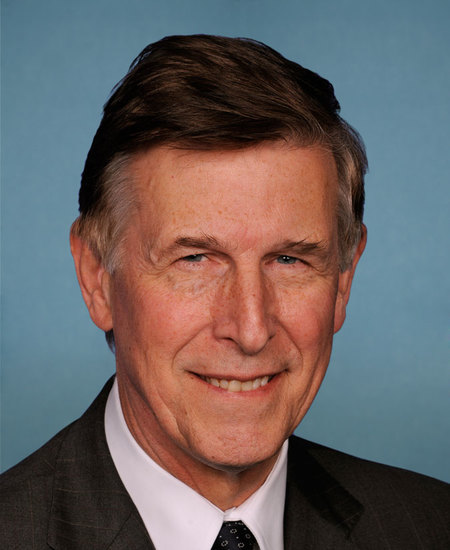
Rep. Donald S. Beyer, Jr.
Sponsored bills
Maddy summaryThis bill requires the USDA to identify and map "American wildlife corridors" on farmland enrolled in conservation programs (like the Agricultural Conservation Easement Program), using science-based criteria to support wildlife movement and habitat connectivity. It mandates technical assistance for producers maintaining these corridors and allows USDA to prioritize re-enrollment in conservation programs for such lands. The bill directly affects farmers and ranchers enrolled in USDA conservation programs who have designated corridors, while requiring annual reports to Congress on implementation progress and data gaps.
Maddy summaryHR 7076, the Innovative Practices for Soil Health Act of 2024, amends USDA conservation programs to prioritize soil health improvements and climate benefits. It directly affects farmers enrolled in programs like the Conservation Stewardship Program by requiring contracts to include "active management" of soil health practices, new definitions of "resource concern" focused on soil sustainability, and specific eligibility for payments related to perennial systems (like agroforestry and perennial crops). Key mechanisms include mandatory soil health planning, expanded payment criteria for carbon sequestration, and new requirements for contract renewal based on meeting "stewardship thresholds" for soil health improvements. The bill also establishes national and regional agroforestry centers to develop and promote practices like alley cropping and silvopasture. These changes aim to integrate soil health outcomes into existing conservation funding without altering overall program structure.
Maddy summaryThe Equal Pay for Equal Work Act establishes a National Equal Pay Enforcement Task Force to strengthen enforcement of existing equal pay laws. The task force, made up of representatives from the Equal Employment Opportunity Commission, Department of Justice, Department of Labor, and Office of Personnel Management, will coordinate efforts to investigate pay disparities and develop solutions. It will create action plans to address enforcement gaps and improve public education about pay equity. This bill directly affects federal agencies and workers facing wage discrimination by enhancing how equal pay laws are enforced across government.
Maddy summaryThe SCOPE Act directs the Environmental Protection Agency (EPA) to develop standardized guidance for reporting scope 3 emissions - indirect emissions from a company’s supply chain and product use - within 12 months of enactment. It requires the EPA to establish reporting thresholds, calculation methods, monitoring frequency, data quality standards, and recordkeeping procedures for facilities already subject to EPA greenhouse gas reporting rules (like major industrial plants). The guidance will help direct emitters (facilities currently reporting under EPA regulations) understand how to measure and report these indirect emissions. This bill does not mandate reporting but creates a framework for future EPA rules on scope 3 emissions.
Maddy summaryThe NO BAN Act (HR 9244) prohibits U.S. immigration authorities from denying visas or entry based on national origin, religion, or sex. It amends immigration law to explicitly ban such discrimination in visa decisions and tightens restrictions on the president’s power to suspend entry of certain groups under Section 212(f). The bill requires specific evidence, narrow tailoring, time limits, and congressional notification for any entry restriction, while mandating public reports on visa denials and waivers. It directly affects nonimmigrant visa applicants (e.g., students, workers) and federal agencies administering immigration policy.
Maddy summaryHR 9253, the National Gun Violence Research Act, repeals longstanding restrictions that blocked federal funding for gun violence research, including the 1996 Dickey Amendment. It establishes a National Gun Violence Research Program to support scientific studies on gun-related injury and death, with $200 million authorized over six years (2025-2030). The program directs agencies like the CDC, NIH, and National Institute of Justice to fund research, train researchers, develop safety standards, and share gun trace data with researchers through new protocols. This bill directly affects federal research institutions and public health agencies by enabling evidence-based study of gun violence causes and prevention strategies.
Maddy summaryHR 9190 establishes the Older Workers’ Bureau within the Department of Labor to address challenges faced by workers aged 55 and older. The Bureau will conduct research on workplace discrimination, wages, retirement readiness, and barriers to employment for this group, while also developing policies and administering grant programs. Key provisions include funding $10 million annually for research on employment barriers and grants to combat structural ageism in workplaces. The bill directly affects older workers - particularly those experiencing job insecurity, low wages, or age discrimination - by creating a dedicated federal resource to improve their employment opportunities and working conditions.
Maddy summaryThis bill reauthorizes the Debbie Smith DNA Backlog Grant Program, which provides federal funding to state and local law enforcement agencies to reduce backlogs in processing DNA evidence from crime scenes. It extends the program's funding period from fiscal years 2024 through 2029 (previously ending in 2024). The bill also updates audit requirements to ensure grant funds are used properly through 2029. This directly affects law enforcement agencies that receive these grants to accelerate DNA analysis for criminal investigations.
Maddy summaryThis bill permanently removes a 2026 expiration date for a tax exclusion allowing employers to pay employees' student loans through educational assistance programs without those payments being counted as taxable income. It directly affects employees who receive employer-sponsored student loan repayment assistance and employers offering such programs. The key provision amends the Internal Revenue Code to make this tax exclusion permanent, applying to all future payments made after the bill's enactment. This change simplifies the tax treatment for both employers and employees participating in these student loan repayment programs.