

Maddy summaryThe MORE Act (HR 5601) would federally decriminalize cannabis by removing it from the Schedule I list of controlled substances under the Controlled Substances Act. It requires federal courts to expunge non-violent cannabis convictions and associated arrests, with a focus on addressing racial disparities in cannabis enforcement. The bill creates an Opportunity Trust Fund that would allocate 50% of funds to criminal justice programs, 20% to small business assistance for minority cannabis entrepreneurs, and 20% to community reinvestment grants for individuals impacted by the War on Drugs. It also prohibits federal agencies from denying benefits or security clearances based on cannabis use or past cannabis convictions, and establishes a Cannabis Justice Office to administer these programs.
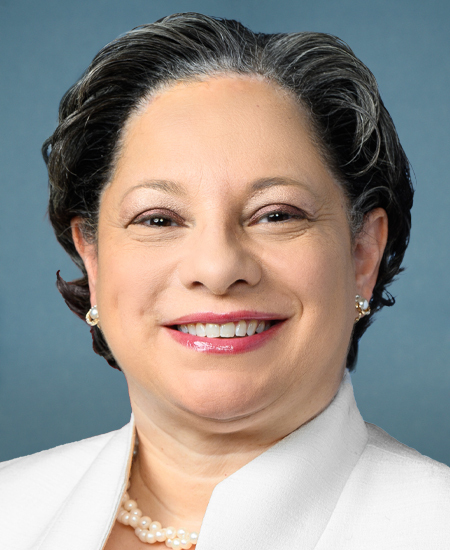
Rep. Jennifer L. McClellan
Sponsored bills
Maddy summaryThe Lowering Drug Costs for American Families Act expands Medicare's drug price negotiation program from 20 to 50 drugs, allowing the government to negotiate lower prices for these medications. It requires private health insurance plans and group health coverage to apply these negotiated prices to their members' cost-sharing for covered drugs, with plans able to opt out while publicly disclosing their decision. The bill also extends these negotiated prices to drugs covered by commercial insurance markets, not just Medicare. This would directly affect Medicare beneficiaries and people with private health insurance who take the negotiated drugs.
Maddy summaryThe 9-8-8 Implementation Act of 2023 establishes a national mental health crisis response system centered around the 9-8-8 suicide prevention hotline. It provides $441 million for call center technology, staffing, and operations, and requires Medicare, Medicaid, and private health plans to cover crisis response services including mobile crisis teams and crisis stabilization facilities. The bill also mandates a national suicide prevention media campaign and creates protocols for 9-1-1 dispatchers to better respond to mental health crises. These provisions aim to improve access to mental health crisis care across the United States.
Maddy summaryThe Social Security 2100 Act would significantly enhance Social Security benefits for millions of Americans by increasing monthly payments for retirees, disabled workers, widows/widowers, and children. Key provisions include raising the minimum benefit for long-term low earners, improving cost-of-living adjustments using a more accurate index, eliminating the 5-month waiting period for disability benefits, and extending child benefits to age 26. The bill also changes how Social Security taxes are calculated by applying them to income above $400,000 and establishes a unified Social Security Trust Fund to manage program finances. Most provisions would apply to benefits payable from 2025 through 2034, affecting all current and future Social Security beneficiaries.
Maddy summaryThe Comprehensive Cancer Survivorship Act (HR 4363) establishes new Medicare and Medicaid coverage for cancer care planning and coordination services, requiring personalized survivorship care plans for cancer survivors from diagnosis through the end of life. The bill creates a demonstration program to test different models of survivorship care, including navigation services to help survivors transition from cancer treatment to ongoing care, and mandates Medicaid coverage for cancer fertility services. It also establishes a comprehensive cancer survivorship program with resource centers for survivors and health care providers, and includes provisions to help cancer survivors overcome employment barriers and improve their quality of life through physical activity and mental health support. The legislation specifically addresses disparities in care for racial/ethnic minorities, lower socioeconomic groups, and rural populations who face unique challenges as cancer survivors.
Maddy summaryThe CONNECT for Health Act of 2023 aims to expand access to telehealth services under Medicare by removing barriers that previously limited who could provide these services and where they could be delivered. The bill eliminates geographic restrictions on telehealth coverage, allows telehealth services to be provided from the patient's home and other clinically appropriate locations, and expands the types of healthcare providers who can offer telehealth services. It also improves the process for adding new telehealth services to Medicare coverage and includes provisions to ensure quality measurement includes telehealth services. This legislation directly affects Medicare beneficiaries seeking remote care and healthcare providers delivering telehealth services, with key provisions taking effect between 2024 and 2025.
Maddy summaryHR 3875, the Expanded Telehealth Access Act, expands Medicare coverage for telehealth services by adding new healthcare professionals to the list of providers eligible for payment. It specifically includes licensed audiologists, occupational therapists (and their assistants under supervision), physical therapists (and their assistants under supervision), and speech-language pathologists. The bill ensures these providers are paid the same rate for telehealth services as they would be for in-person care under Medicare. This change directly affects Medicare beneficiaries seeking remote therapy services and the new provider types who can now offer these services via telehealth.
Maddy summaryHR 3851, the Access to Breast Cancer Diagnosis Act of 2023, requires most health insurance plans (including group and individual coverage) to cover diagnostic and supplemental breast exams without any out-of-pocket costs like copays or deductibles. This applies to medically necessary exams used to evaluate abnormalities detected during screening (diagnostic) or to screen high-risk individuals without abnormalities (supplemental), following National Comprehensive Cancer Network guidelines. Plans may still require prior authorization for these exams, and state laws providing stronger protections remain in effect. The law takes effect for plan years beginning January 1, 2024.
Maddy summaryHR 3589, the Affordability is Access Act of 2023, requires health insurance plans to cover FDA-approved over-the-counter birth control without cost-sharing (like copays or deductibles). It directly affects millions of people who use contraception, particularly low-income individuals and those in areas with limited access to reproductive health services ("contraceptive deserts"). The bill clarifies that existing insurance coverage rules under the Affordable Care Act apply to over-the-counter contraceptives, and directs the FDA to expedite reviews for over-the-counter status. Retailers must not block access to these products but may refuse sales if payment isn’t provided.
Maddy summaryThe FAMILY Act (HR 3481) would establish a national paid family and medical leave insurance program administered by the Social Security Administration. Eligible workers would receive wage replacement benefits (up to 85% of average earnings, with a maximum of $4,000 monthly) for up to 60 caregiving days per 12-month benefit period for qualifying reasons like caring for a sick family member, personal serious health conditions, or responding to domestic violence. The program would be funded through 0.2% payroll taxes from employees and employers (with self-employed individuals paying 0.4%), with benefits coordinated with existing state programs. The law includes protections against employer retaliation for taking leave and requires employers to maintain health coverage during leave periods.