

Maddy summaryThe SCHEDULES Act of 2024 requires the Department of Veterans Affairs (VA) to establish specific timeframes for scheduling appointments after a veteran is referred for care: 3 business days for VA facility appointments and 7 calendar days for community care. It directly affects veterans seeking VA care by setting measurable standards for timely access to services. The bill mandates quarterly reports to Congress detailing how many referrals meet these standards, broken down by facility, care specialty (like mental health or cardiology), and state, with all data made publicly available online. These reports must also include annual progress updates on VA efforts to meet the scheduling goals. The law focuses on creating transparency and accountability in VA scheduling processes without altering benefits or funding.
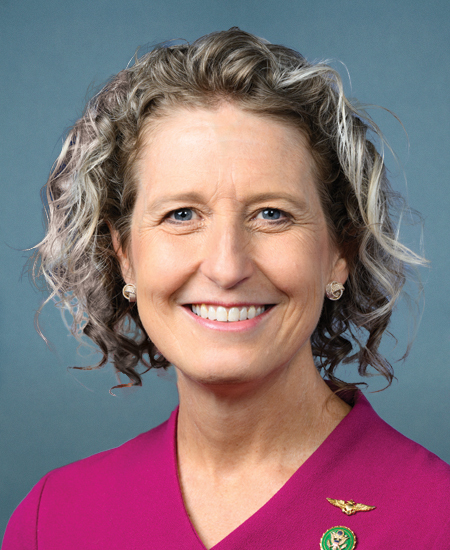
Rep. Jennifer A. Kiggans
Sponsored bills
Maddy summaryHR 7091, the Counting Veterans’ Cancer Act of 2024, requires the Department of Veterans Affairs (VA) to share cancer diagnosis data for veterans receiving VA care with state cancer registries. This affects veterans diagnosed with cancer through VA facilities and state registries participating in CDC’s National Program of Cancer Registries or NCI’s SEER program. The bill mandates that the VA share this data "as complete and timely as possible" without requiring new data-sharing agreements between the VA and states. The goal is to ensure all veteran cancer cases are included in national cancer statistics, improving data for research, identifying disparities, and informing veteran-specific cancer care programs.
Maddy summaryThe FORCE Act requires the Department of Defense to assess and report on the condition of overseas military unaccompanied housing (where service members live alone while stationed abroad). Within 180 days of enactment, the Pentagon must submit a detailed report covering: 1) current housing conditions using a standardized index, 2) how habitability standards apply to these facilities, 3) funding needed to meet those standards, and 4) how housing quality impacts military readiness by combatant command. This bill directly affects overseas service members living in unaccompanied housing by mandating a formal review of their living conditions. It does not change housing standards or funding but requires the Pentagon to document current conditions and needs.
Maddy summaryThis bill, HR 7372, creates two main components: border control measures and defense appropriations. The border provisions authorize the temporary expulsion of certain inadmissible aliens arriving at the US-Mexico border for one year, with specific rules for where they can be sent and protections against expulsion to countries where they'd face persecution or torture. The defense section appropriates over $34 billion for military personnel, operations, and equipment to support Ukraine, Israel, and Taiwan, including specific funding for defense systems like Iron Dome. It includes reporting requirements for how these funds are used and sets a one-year expiration for all provisions.
Maddy summaryHRES 966 is a symbolic resolution condemning alleged sexual violence committed by Hamas during its October 7, 2023, attack on Israel. It specifically references eyewitness accounts, forensic evidence, and Hamas fighters' admissions of ordering gang rape, sexual mutilation, and assault against Israeli civilians. The resolution calls for international condemnation of such acts as weapons of war, urges nations to criminalize sexual violence, and supports investigations into Hamas' actions. As a non-binding resolution, it does not create new laws or directly affect any individuals but formally expresses the House's position on the issue.
Maddy summaryHR 7355, the Early Childhood Workforce Advancement Act of 2024, establishes a federal grant program to fund career and technical education programs in early childhood education. It directly supports partnerships between institutions of higher education, child care providers, and community stakeholders to expand training and career pathways for early childhood educators. Key provisions include funding for curriculum development, educator recruitment/retention, professional development, and support services like childcare assistance for students pursuing credentials (such as Child Development Associate) or degrees. The grants aim to improve workforce readiness, address regional shortages, and enhance outcomes for students - particularly in underserved communities - by aligning training with industry needs and State strategic plans.
Maddy summaryThe Credit for Caring Act of 2024 creates a new federal tax credit for family caregivers. It allows eligible caregivers to claim a credit equal to 30% of qualified caregiving expenses (like home modifications, medical supplies, or respite care) exceeding $2,000 per year, capped at $5,000 annually. To qualify, caregivers must earn over $7,500 in income and provide care for a relative (like a spouse or parent) certified by a healthcare provider as needing long-term care for at least 180 days. The credit phases out for higher earners, with a $75,000 income threshold for single filers and $150,000 for joint returns.
Maddy summaryThe Servicemember Apprenticeship Act (HR 7098) directs the Secretary of Defense to study private companies offering registered apprenticeships to military members eligible for the Skillbridge program (Section 1143(e) of Title 10). It requires the Department of Defense to consult with the Department of Labor to create agreements with companies in areas where few apprenticeship opportunities exist for these members. The bill aims to expand access to registered apprenticeship programs by identifying participating entities and facilitating partnerships. This directly affects transitioning service members seeking civilian career training through Skillbridge.
Maddy summaryHR 7097, the College Opportunities for Servicemembers Act, expands educational opportunities for active-duty service members transitioning to civilian careers and veterans. The bill directs the Secretary of Defense to increase agreements with colleges and universities to provide job training and internships through the Skillbridge program, and to support creating dedicated centers at these institutions for military members and veterans seeking job skills. It specifically targets members eligible for Skillbridge under existing law and veterans, using existing higher education institutions defined by the Higher Education Act of 1965. The key mechanism involves federal outreach to colleges to formalize more training partnerships and establish on-campus support centers. This policy directly connects military service members and veterans to civilian career pathways through existing educational infrastructure.
Maddy summaryThe Nurse Faculty Shortage Reduction Act of 2024 creates a new federal grant program to address nursing faculty shortages. It authorizes $28.5 million annually (2024-2028) to help nursing schools supplement faculty salaries, covering the gap between clinical nurse pay and teaching salaries. Schools must submit detailed salary data and plans to sustain higher pay after the 3-year grant period. The program prioritizes schools in high-need areas, serving vulnerable populations, or recruiting underrepresented faculty, with a report required to Congress after 3 years.