

Maddy summaryHR 4426 extends the Radiation Exposure Compensation Act (RECA) fund for 19 years (up from 2 years) and expands eligibility for compensation to individuals exposed to radiation from nuclear testing and uranium mining. The bill updates eligibility criteria for claims related to leukemia and other specified diseases, including adding chronic lymphocytic leukemia to the list of covered conditions. It creates new provisions for uranium mining workers, including combined work histories and allows the use of affidavits to substantiate claims. The bill also expands medical benefits eligibility and establishes a $3 million annual grant program to study the epidemiological impacts of uranium mining on non-occupationally exposed individuals, including family members of miners.
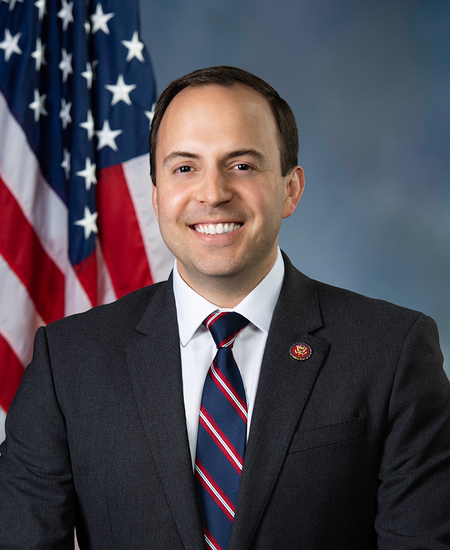
Rep. Lance Gooden
Sponsored bills
Veterans Mental and Behavioral Health Quality of Care Act This bill requires the Department of Veterans Affairs (VA) to use an independent and objective outside organization to study the difference in the quality of care between behavioral and mental health care provided by VA providers and care provided by non-VA providers.
Maddy summaryThe SAFE Act of 2023 extends a 2018 law that prohibits slaughtering animals for human consumption to include horses, donkeys, and other equine animals, such as ponies. It amends Section 12515 of the Agriculture Improvement Act of 2018 by updating the language to replace "dog or cat" with "dog, cat, or equine" in both the section title and the main prohibition. This change directly affects the livestock industry and slaughter facilities by banning the processing of equines for food. The bill modifies existing law without adding new enforcement mechanisms, closing a gap in animal protection.
Maddy summaryHJRES 44 is a congressional resolution seeking to block a 2021 rule by the Bureau of Alcohol, Tobacco, Firearms, and Explosives (ATF). The rule classified firearms with stabilizing braces as "short-barreled rifles," which would have required additional licensing and regulation. This resolution uses a specific legal process (under Title 5, U.S. Code) to formally disapprove the ATF rule, meaning the rule would no longer be in effect. It directly affects firearm owners, manufacturers, and dealers who would have been subject to the rule’s requirements.
Maddy summaryThis bill renames the U.S. Food for Peace program after Peter O'Brien and makes key changes to how agricultural aid is delivered. It prohibits using cash, food vouchers, or foreign-sourced food for aid (section 2d), requires that at least 50% of annual funds be used for procuring U.S. agricultural commodities (section 2b(5)), and mandates annual reports to Congress on fund usage (section 2b(6)). These changes directly affect U.S. farmers supplying aid and international recipients of food assistance. The bill focuses on strengthening domestic agricultural exports within the Food for Peace program while adding transparency requirements.
Maddy summaryHR 277 would require Congress to approve major federal regulations before they take effect. Major rules are defined as those with significant economic impact ($100 million+ annually), major cost increases for consumers or industries, or significant adverse effects on competition, employment, or innovation. Agencies must submit detailed information about these rules to Congress, including cost-benefit analyses, before they can take effect. Congress would have 70 session days to approve the rule with a joint resolution; if they don't act within that timeframe, the rule would not take effect. This would increase congressional oversight of federal regulations and require more detailed information about proposed rules before they become law.
Maddy summaryHJRES 69 is a resolution seeking to disapprove an Environmental Protection Agency (EPA) rule published on June 5, 2023, which established a "Federal Good Neighbor Plan" for the 2015 ozone air quality standards. The rule aimed to address ozone pollution crossing state lines, particularly affecting southeastern states and industries subject to the 2015 ozone standards. This resolution would block the rule from taking effect by invoking the Congressional Review Act, preventing it from being enforced. If enacted, it would directly stop the EPA from implementing this specific plan, impacting states and businesses that would have had to comply with the rule.
Maddy summaryThis bill amends the 21st Century Cures Act to allow states and tribes to use federal grant funds for fentanyl and xylazine test strips. It directly affects state and tribal programs receiving opioid response funding under the Cures Act, enabling them to cover these drug testing strips. The key provision adds "fentanyl or xylazine test strips" to the list of eligible items that can be purchased with existing grant money. This change makes it easier for local programs to access tools that detect dangerous opioids in illicit drugs, without creating new funding. The bill focuses on expanding current grant flexibility, not changing broader opioid policy.
Maddy summaryHR 1640, the Save Our Gas Stoves Act, prevents the Department of Energy from implementing energy efficiency standards for gas stoves that would make them unavailable in the U.S. market. It amends federal law to require that any new standard for gas stoves must not result in the unavailability of gas stove types, directly affecting gas stove manufacturers and consumers who rely on these appliances. The bill specifically blocks the implementation of the 2023 proposed rule (Energy Conservation Program: Energy Conservation Standards for Consumer Conventional Cooking Products) and any similar rule. This is a policy change focused on maintaining the availability of gas stoves by altering the criteria for energy standard approval.
Maddy summaryThis bill requires all high schools operated by the Department of Defense Education Activity (DoDEA) to make a financial literacy course mandatory for graduation. It applies specifically to students in DoDEA high schools, beginning with those entering ninth grade one year after the bill's enactment. The law mandates that students complete this dedicated course before graduating, replacing any existing requirements for this subject. The course aims to teach practical money management skills to military-connected students as part of their high school curriculum.