

Maddy summaryHR 7577, the CHEERS Act, creates a new tax deduction for restaurants, bars, and entertainment venues by expanding eligibility under the energy efficiency tax code (Section 179D). It defines "qualified energy-efficient draft property" as stainless steel or aluminum containers and tap equipment used for alcohol distribution in these businesses, treating them as eligible for the existing energy efficiency tax deduction. This change applies to equipment placed in service after the bill's enactment date, directly benefiting hospitality businesses that own or lease such equipment. The provision modifies existing tax code language without creating new tax rates or altering other regulations.
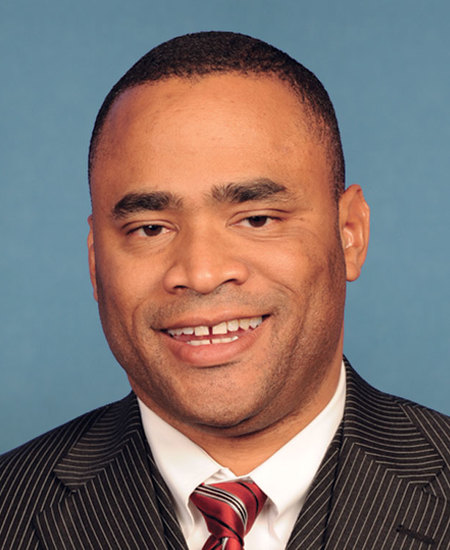
Rep. Marc A. Veasey
Sponsored bills
Maddy summaryHRES 1053 is a non-binding House resolution reaffirming the U.S.-Canada partnership, not a legislative bill with new policy provisions. It states that the U.S. House of Representatives recognizes the strategic importance of the relationship, citing existing economic ties (e.g., $1.3 trillion in bilateral trade in 2022 supporting 7.5 million U.S. jobs) and security cooperation (including NORAD, border security programs, and shared climate efforts). The resolution emphasizes mutual dependence in areas like energy security, supply chains, and defense, but does not create new obligations or funding. It serves as a symbolic statement of support for the existing partnership, referencing established frameworks like USMCA and joint climate initiatives. As a resolution, it has no legal effect on policy or operations.
Maddy summaryHRES 1054 is a symbolic House resolution recognizing the historical contributions of military animals (such as dogs, horses, and pigeons) and their handlers in U.S. military service since World War I. It acknowledges that these animals, who have served in conflicts and peacekeeping operations, currently lack an official U.S. medal for their bravery. The resolution specifically supports creating a formal annual process to nominate military animals for the "Medal of Bravery" and "Distinguished Service Medal," building on existing efforts by the nonprofit Animals in War & Peace program. This resolution does not create new laws or benefits but formally endorses a process to honor these animals’ service.
Maddy summaryThis resolution honors the Greensboro Four (Joseph McNeil, Jibreel Khazan, Franklin McCain, and David Richmond) for their 1960 sit-in at a Greensboro, North Carolina Woolworth's store, which sparked the civil rights movement. It formally recognizes their role in challenging racial segregation and inspiring nationwide protests during Black History Month. The resolution encourages schools to include the Greensboro Four's story in their educational curriculum to highlight their contributions to civil rights. As a commemorative resolution, it has no binding effect but aims to promote historical awareness.
Maddy summaryThis bill directs the Secretary of State to actively use U.S. diplomatic resources, including the voice and influence of U.S. diplomats and officials at the International Boundary and Water Commission, to advance efforts ensuring Mexico complies with the 1944 water treaty. It requires U.S. officials to work toward establishing reliable water delivery agreements under the treaty for the Colorado, Tijuana, and Rio Grande rivers. The key mechanism is mandating diplomatic engagement to address Mexico's compliance with treaty obligations, aiming to secure predictable water flows for U.S. users. The bill affects U.S. diplomatic operations and water management coordination with Mexico, focusing on treaty implementation rather than new water infrastructure.
Maddy summaryHR 7374 designates the United States Postal Service facility at 500 Sergeant Gonzales Drive in Fort Davis, Texas, as the "Sergeant Manuel Sillas Gonzales Post Office." This bill directly affects the specific postal facility by changing its official name to honor Sergeant Manuel Sillas Gonzales. The key mechanism requires all federal references in laws, documents, or records to use the new name moving forward. As a naming bill, it makes no substantive policy changes beyond the official designation.
Maddy summaryThis resolution (HRES 1012) is a symbolic statement by the U.S. House of Representatives condemning Azerbaijan's detention of Dr. Gubad Ibadoghlu, an imprisoned academic and economist. It specifically addresses Azerbaijan's alleged wrongful arrest, beatings in custody, denial of medical care and legal access, and poor prison conditions. The resolution calls for Dr. Ibadoghlu's immediate release and urges the U.S. Secretary of State to prioritize his case in diplomatic engagements with Azerbaijan. As a non-binding resolution, it expresses congressional concern but does not enact new laws or impose sanctions.
Ensuring Diverse Leadership Act of 2024 This bill requires that, when appointing a president, a Federal Reserve Bank must interview at least one individual reflective of gender diversity and one reflective of racial or ethnic diversity. The bill amends numerous banking-, finance-, and trade-related acts to make references to officials (including those to the Chairman of the Board of Governors of the Federal Reserve System) gender-neutral.
Maddy summaryThis bill establishes a 7-year task force under the Commerce Secretary to address shark interactions with fishing gear (referred to as "shark depredation"). The task force, including representatives from regional fisheries councils, coastal states, and shark experts, will identify research priorities (like shark behavior causes and non-lethal deterrents), develop management strategies, and create educational materials for the fishing community. It directly affects coastal states, fisheries management councils, and commercial fishermen by improving coordination and funding for shark interaction research. The task force must submit biennial reports to Congress and will sunset after 7 years. The bill does not change fishing regulations but focuses on research and education to reduce harmful shark-human interactions.
Maddy summaryHR 7220 establishes an EB-5 Regional Center Program Advisory Committee within U.S. Citizenship and Immigration Services (USCIS). The 35-member committee, composed of representatives from EB-5 regional centers (with geographic and project-type diversity), local governments, economic development officials, and trade associations, advises USCIS on program improvements like job creation, investment structuring, and processing efficiency. It cannot make case-specific decisions but must submit annual reports and recommendations to USCIS, with public meetings and quarterly subcommittee work focused on administration, economic impact, and policy. The committee terminates once all pending EB-5 applications are resolved.