

Maddy summaryThe American Energy Independence and Affordability Act extends multiple clean energy tax credits that were set to expire between 2025 and 2026. It specifically extends residential clean energy credits through 2034, clean electricity investment credits for wind and solar through 2032, and clean vehicle credits for electric vehicles through 2032. The bill also reinstates special rates for sustainable aviation fuel and modifies requirements for energy-efficient home improvements. These provisions directly affect homeowners installing solar panels, businesses investing in clean energy infrastructure, and manufacturers producing clean energy equipment.
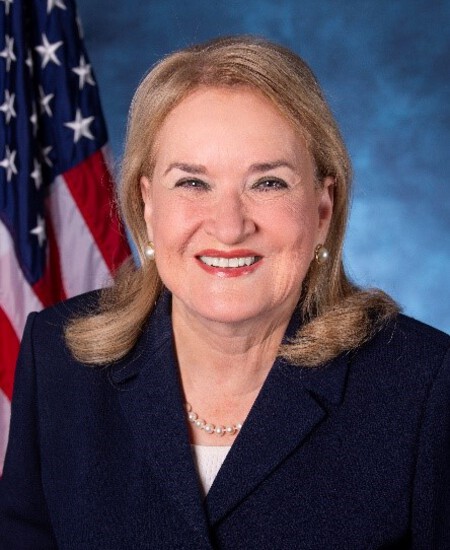
Rep. Sylvia R. Garcia
Sponsored bills
Maddy summaryThis resolution expresses the U.S. House of Representatives' support for recognizing October 26, 2025, as Intersex Awareness Day, which honors intersex individuals - those with natural variations in physical sex characteristics (such as anatomy, hormones, or chromosomes) that differ from typical male or female bodies. It affirms the day’s goals of promoting bodily autonomy and addressing issues like nonconsensual medical procedures on intersex children. The resolution encourages federal agencies, schools, and organizations to observe the day through educational activities that increase public awareness and support for the intersex community. It does not create new laws or policies but symbolically aligns with existing federal actions promoting nondiscrimination and health equity for intersex people.
Head Start Shutdown Protection Act of 2025 This bill requires the Department of Health and Human Services to reimburse a state, local government, or school district that uses its funds to maintain participation in the Head Start program or the Early Head Start program during a government shutdown in which there is a lapse in federal appropriations for the programs. The Head Start programs provide comprehensive early childhood education and development services to low-income children. The programs seek to promote school readiness through the provision of educational, health, nutritional, social, and other services.
Maddy summaryThis bill prohibits the Department of Veterans Affairs (VA) from discriminating against transgender veterans in healthcare, specifically requiring the VA to provide medically necessary treatments for gender dysphoria. It directly affects transgender veterans seeking VA health services by mandating that the VA cannot deny such care or misgender patients based on gender identity. The law adds a new section to VA healthcare law explicitly banning gender identity discrimination and ensuring access to gender dysphoria treatments, aligning with existing protections under the Affordable Care Act. Additionally, it requires the VA to provide quarterly reports to Congress on how transgender veterans receive healthcare services under this new standard.
Maddy summaryThis resolution formally recognizes the vital role of Spanish-language media in serving over 41 million U.S. residents who speak Spanish at home. It affirms that access to Spanish-language news and entertainment is essential for community engagement, combating misinformation, and supporting democratic participation. The House resolution specifically commends Spanish-language media professionals and encourages policies that sustain this media sector, which provides culturally relevant information on elections, health, and civic life. As a symbolic gesture (not a law), it has no direct policy changes but highlights the sector's importance to Latino communities and national inclusivity.
Maddy summaryThis resolution requires the House of Representatives to hold daily meetings and recorded attendance checks during government shutdowns. Members must electronically confirm their presence each day via a "quorum call," with fines of $500 for a first offense and $2,500 for repeat failures. Fines cannot be paid using campaign or official funds, and the rules apply to all House members, including delegates and the Resident Commissioner. The bill aims to ensure continuous House operations during shutdowns but does not alter the cause or duration of shutdowns.
Maddy summaryThis bill makes federal funding for the WIC program mandatory by requiring Congress to appropriate necessary funds annually for fiscal year 2026 and each subsequent year. It removes discretionary language from WIC funding requirements and clarifies that eligible participants must be served without participation limits. The bill directly affects low-income pregnant women, new mothers, and young children who rely on WIC for nutrition assistance, ensuring continued access to critical food, health, and education services.
Maddy summaryHCONRES 56 is a symbolic congressional resolution recognizing the persistent wage gap faced by Latina women in the U.S. It specifically highlights that, as of 2024, Latina workers earn just 58 cents for every dollar paid to White, non-Hispanic men working full-time year-round. The resolution designates October 8, 2025, as "Latina Equal Pay Day" to raise awareness about this disparity, which affects over 14 million Hispanic women in the labor force. It does not create new laws or policies but formally acknowledges the economic impact of this gap on Latina families and the broader economy.
Maddy summaryHRES 792 is a symbolic resolution designating May 31, 2026, as "Youth Mental Health Day" and September 9 annually as "Youth Suicide Prevention Day." It calls for increased investments in youth mental health services and encourages state and local governments to adopt these observances while promoting community-based mental health initiatives. The resolution does not create new laws or allocate funding but aims to raise awareness about the youth mental health crisis, which disproportionately affects marginalized groups like LGBTQ+, Black, Indigenous, and low-income young people. It references CDC and NIH data showing rising rates of depression, suicidal ideation, and suicide among U.S. youth, particularly ages 10-34.
Maddy summaryHR 5705 requires the federal government to reimburse state agencies for funds they use to maintain participation in the WIC program during a government shutdown. It directly affects states that cover WIC costs using their own money when federal funding lapses. The bill establishes a process where states can seek reimbursement from the federal government after the shutdown ends. This ensures states aren’t burdened with costs for a federal funding gap that impacts nutrition assistance for women, infants, and children.