

Maddy summaryHR 3984, the Expedited Removal Expansion Act of 2025, would expand the circumstances under which immigrants attempting to enter the U.S. can be quickly removed without a full immigration court hearing. The bill removes specific exceptions that previously prevented expedited removal for certain individuals, including those who have been physically present in the U.S. for two continuous years or have certain medical conditions. Key changes include eliminating references to existing exemptions (like the "2-year presence" requirement) and broadening the definition of inadmissibility to simply "under section 212" of immigration law. This policy change directly affects new immigrants at the border who are deemed inadmissible under these expanded criteria.
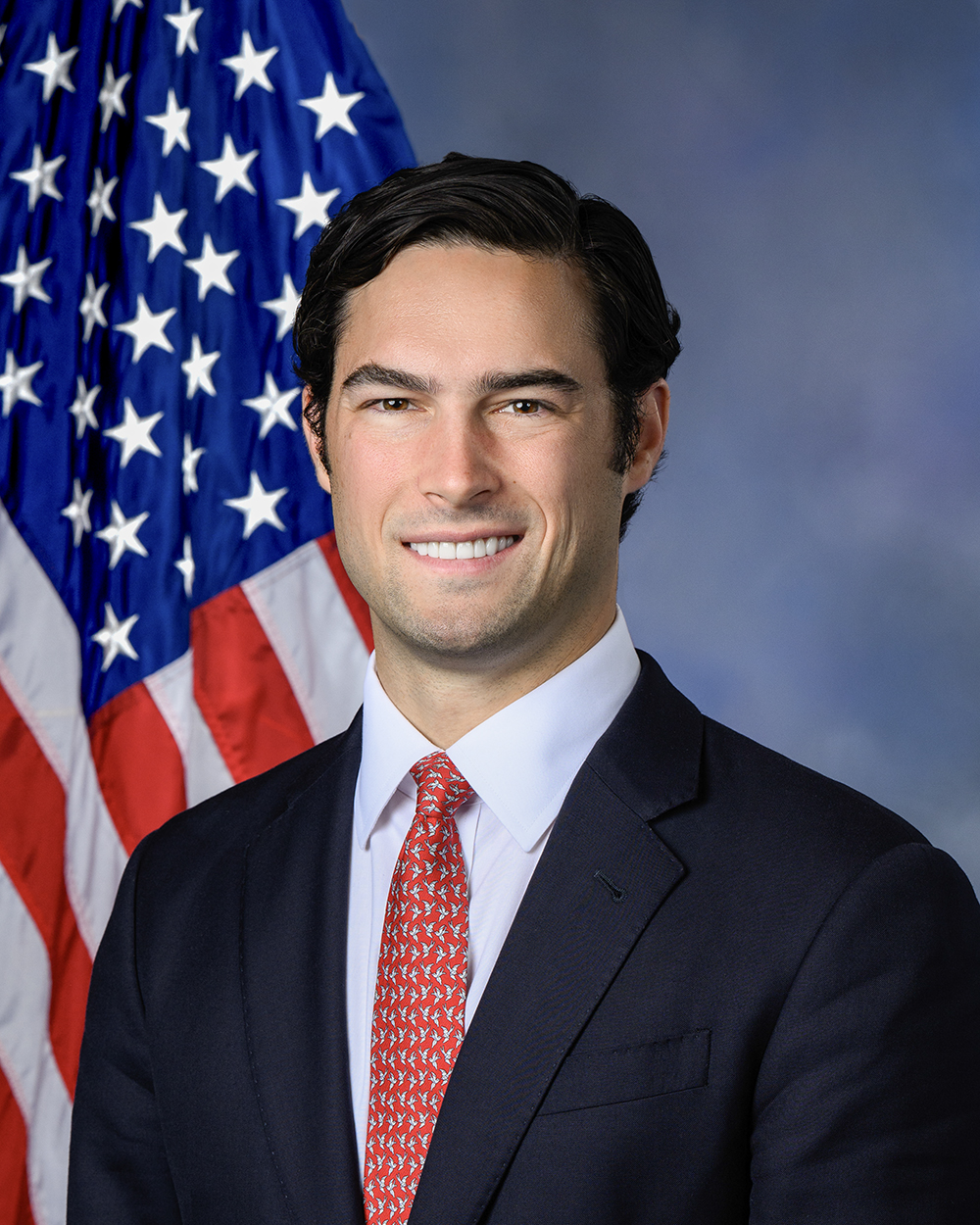
Rep. Brandon Gill
Sponsored bills
Patient Access to Higher Quality Health Care Act of 2025 This bill repeals provisions under the Stark law (i.e., the Physician Self-Referral Law) that limit, for purposes of Medicare participation, self-referrals by newly constructed or expanded physician-owned hospitals.
Maddy summaryThe STOP CSAM Act of 2025 would strengthen protections for child victims and witnesses in federal court by creating a new definition of "covered person" to include minors under 18 who are victims or witnesses of abuse, exploitation, or kidnapping. The bill requires internet service providers to report apparent child sexual exploitation to the CyberTipline within 60 days, with civil penalties of $50,000-$250,000 per violation and criminal fines up to $1 million for non-compliance. It also creates new civil remedies allowing victims to sue platforms that host or promote child sexual exploitation, with minimum $300,000 in damages. Additionally, large platforms would be required to submit annual reports to the Attorney General and FTC detailing their safety measures and child exploitation on their platforms.
Maddy summaryHR 3920, the Lawless Cities Accountability Act of 2025, prohibits federal funding to any state or local jurisdiction designated as a "lawless jurisdiction" by the Attorney General. A jurisdiction is defined as lawless if it blocks law enforcement during widespread violence, withdraws protection from areas officers should access, defunds police, or refuses federal assistance during crises. The Attorney General must make quarterly public determinations of lawless jurisdictions and publish explanations, with federal funds resuming only after 180 days or when the designation ends. This bill directly affects state and local governments meeting these criteria by cutting off federal financial support until they address the issues. It establishes a clear, time-bound mechanism for withholding and restoring funding based on the Attorney General's determinations.
Maddy summaryThis bill would require the Attorney General to annually identify state or local governments that fail to comply with federal immigration cooperation laws, such as sharing immigration status information or honoring detainer requests. Jurisdictions found non-compliant would lose eligibility for all federal financial assistance (including grants and programs) for at least one year. The law mandates annual reports to Congress and allows any member of Congress to request compliance reports on specific jurisdictions. It directly affects cities, counties, and states that do not follow federal immigration enforcement directives.
Maddy summaryHR 3894, the SAFE Cities Act, requires the Attorney General to publish and update every 180 days a list of jurisdictions (states or local governments) that refuse to stop violence and property destruction, based on specific criteria like blocking police intervention or defunding law enforcement. The bill directs the Office of Management and Budget to issue guidance restricting federal grant eligibility for these jurisdictions, to the extent permitted by law. It would directly affect local or state governments meeting the defined criteria, potentially limiting their access to federal funding. The law focuses on creating a federal mechanism to identify and financially disfavor jurisdictions with policies deemed insufficient for public safety.
Maddy summaryHR 3870, the COAL POWER Act, repeals a specific Environmental Protection Agency (EPA) rule issued on May 7, 2024, which set emission standards for coal- and oil-fired power plants. This bill directly affects coal and oil-fired electric utilities by removing their requirement to comply with that particular EPA regulation (89 Fed. Reg. 38508). The key mechanism is a straightforward repeal, treating the rule as if it never took effect. The bill does not create new rules or alter existing environmental standards beyond this specific EPA action.
Maddy summaryThis bill would make non-citizens deportable if they incite or participate in riots during civil unrest involving assaults on law enforcement or military personnel, or destruction of public property, and who were unlawfully present, had DACA, or were lawful permanent residents at the time of the offense. It permanently bars such individuals from reentering the U.S. or accessing any relief from deportation, including asylum, cancellation of removal, or future DACA benefits. During declared emergencies (such as national disasters or state emergencies), the law mandates expedited removal and mandatory detention for those covered, with no discretion for enforcement.
Maddy summaryHR 589, the FACE Act Repeal Act of 2025, would repeal a federal law (Section 248 of Title 18, U.S. Code) that prohibited obstructing access to reproductive health care facilities through physical means, intimidation, or violence. This repeal would eliminate the federal criminal penalty for such conduct, meaning federal prosecutors could no longer charge individuals under this specific law. The bill applies to all pending or future federal prosecutions related to these actions. It does not affect state laws that may still regulate access to reproductive health care facilities.
Maddy summaryHR 3751, the Reliable Grid Act, requires the Environmental Protection Agency (EPA) to pause enforcement of specific regulations that could lead to premature retirement of reliable power plants (like coal, natural gas, and nuclear facilities). It directs the EPA to grant waivers for such plants and mandates coordination with grid operators to prevent capacity shortages, citing concerns about over-reliance on intermittent renewable energy sources. The bill specifically targets EPA rules finalized in May 2024, including the New Source Performance Standards for fossil fuel plants and related emissions guidelines, aiming to ensure grid reliability amid rising electricity demand.