

Maddy summaryHR 4200, the End DED Act, prohibits federal funding for the Deferred Enforced Departure (DED) program, which provides temporary immigration protections to individuals from specific countries. It directly affects approximately 100,000 people currently covered under DED from nine nations (including Haiti, El Salvador, and Venezuela), who would lose their work authorization and travel privileges if the program is defunded. The bill’s key provision bans all federal funds from being used to implement or administer DED or any successor program. This addresses congressional concerns that DED - a policy created solely by executive action without statutory authority - undermines Congress’s constitutional power over immigration, which it delegated to Temporary Protected Status (TPS) instead.
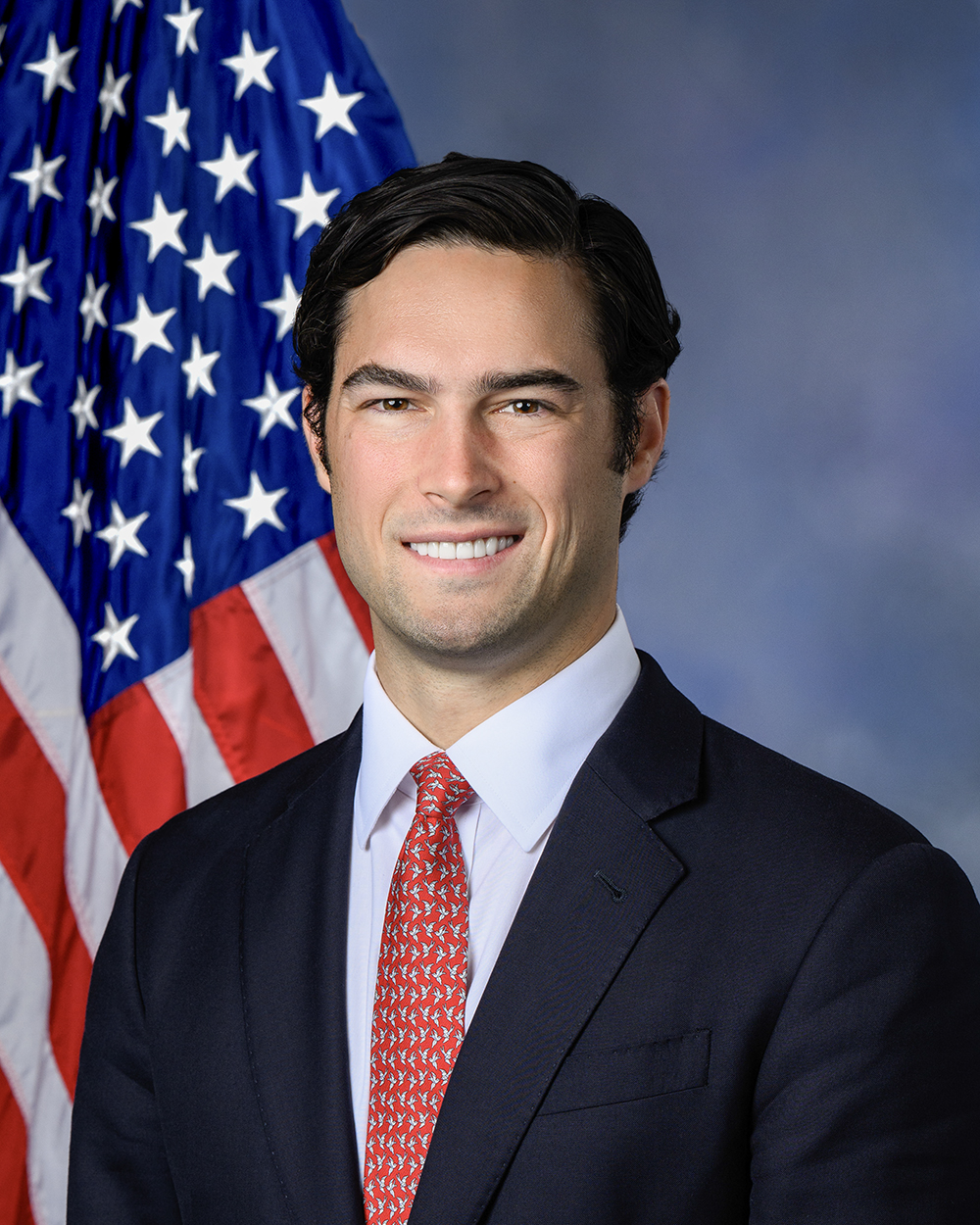
Rep. Brandon Gill
Sponsored bills
Maddy summaryHR 4172, the OCED Elimination Act, abolishes the Office of Clean Energy Demonstrations (OCED) within the U.S. Department of Energy. It repeals Section 41201 of the Infrastructure Investment and Jobs Act (42 U.S.C. 18861), which previously authorized the OCED's operations. This bill directly affects the Department of Energy by eliminating a specific office and its associated funding mechanisms for clean energy demonstration projects. The change removes a dedicated structure for advancing clean energy demonstrations but does not alter broader clean energy funding programs. As a procedural bill, it focuses solely on the elimination of the office and its related statutory provision.
Maddy summaryThe ARMS Act requires the Transportation Security Administration (TSA) to implement annual, risk-informed covert testing at all Category X airports (the largest, busiest U.S. airports) to identify security vulnerabilities in passenger and baggage screening. It mandates at least three covert test scenarios yearly per airport, with root cause analysis within 90 days of identifying vulnerabilities, and a 150-day timeline for deciding whether to mitigate them. The TSA must publicly report annual pass/fail rates and mitigation progress (without revealing security details) and submit classified and unclassified reports to Congress with its budget request. This law focuses on systematically assessing and addressing aviation security gaps through data-driven testing and transparent reporting.
Maddy summaryThis bill prohibits abortion providers from disposing fetal remains (abortion waste) into publicly owned water systems, such as drains or pipes connected to municipal water infrastructure. Violations could result in fines, up to 5 years in prison, or both. It defines "fetal remains" as abortion waste and clarifies patients cannot be held liable for such disposal. The law does not override stricter state regulations on this practice.
Maddy summaryThe LEDGER Act (HR 4091) requires the Treasury Department to create a system tracking every government payment within 180 days of enactment. It mandates that all federal departments, agencies, and branches (executive, legislative, judicial) must report disbursements from every funding source, including how long funds remain available for spending. This system will detail each payment's origin, recipient, and timing across all government accounts. The bill directly affects all federal spending entities by standardizing expenditure tracking previously handled inconsistently.
Maddy summaryThis bill mandates a 90-day government review to determine if CAIR (Council on American-Islamic Relations) meets criteria for designation as a foreign terrorist organization under U.S. law. The review, led by the Secretary of State with input from the Attorney General and Treasury Secretary, would assess CAIR's ties to terrorism based on findings cited in the bill, including alleged connections to Hamas, the Holy Land Foundation, and individuals convicted of terrorism-related offenses. The bill does not immediately designate CAIR as a terrorist group but requires a formal evaluation and a congressional report on the outcome. This process directly affects CAIR by triggering an official government assessment of its status, though no immediate action is taken by the bill itself.
Maddy summaryHR 4117, the Fuel Emissions Freedom Act, would repeal all federal and state fuel emissions standards for motor vehicles. It specifically targets Clean Air Act sections 202 and 209, as well as Corporate Average Fuel Economy (CAFE) standards under 49 U.S.C. 32902-32918, and nullifies all existing regulations under these provisions. The bill prohibits both the federal government and states from establishing or enforcing any future fuel emission standards for vehicles. This would directly affect automobile manufacturers, who would no longer need to comply with emissions regulations, and states, which would lose authority to set their own standards. The bill’s key mechanism is the complete removal of regulatory requirements related to vehicle emissions.
Maddy summaryHR 4092, the Protect RAIL Act, amends U.S. immigration law to make certain crimes involving stolen goods transported by carriers (like trains, trucks, or ships) grounds for denying entry or deporting non-citizens. It adds new inadmissibility and deportability provisions for anyone convicted of theft from interstate or foreign shipments under Title 18, Section 659 of the U.S. Code. The bill directly affects non-citizens who commit these specific theft offenses, making them ineligible to enter the U.S. or subject to removal. This changes immigration consequences for existing criminal offenses, not the crimes themselves.
Maddy summaryHR 4021, the Patriotism Not Pride Act, prohibits federal agencies from using government funds to promote or recognize Lesbian, Gay, Bisexual, Transgender, Queer, and Intersex Pride Month through events, communications, or educational programs. It also bans the display of flags representing sexual orientation or gender identity on all federal property and grounds. The bill directly affects all federal agencies, requiring them to cease any activities related to Pride Month recognition or the display of such flags. This legislation enacts concrete policy changes by restricting federal funding and property use for specific LGBTQ+ observances.
Maddy summaryHR 3966 requires certain tax-exempt organizations, including think tanks and cultural nonprofits, to annually disclose foreign contributions exceeding $10,000 from foreign governments, political parties, or entities controlled by them. The bill mandates that these organizations report the name of the foreign source and the total amount received, with this information made publicly available in a searchable IRS database. It directly affects nonprofits receiving significant foreign funding, aiming to increase transparency about potential foreign influence operations. The legislation targets funding from sources like foreign governments or entities linked to the Chinese Communist Party, as highlighted in congressional findings about influence campaigns. The policy change creates a new reporting requirement under the Internal Revenue Code, effective for tax years after enactment.