

Maddy summaryThe No IRIS Act of 2025 (HR 1415) prohibits the Environmental Protection Agency (EPA) from using scientific assessments generated by its Integrated Risk Information System (IRIS) program to develop environmental regulations, enforce laws, issue permits, or inform air toxics mapping tools. This bill directly restricts the EPA’s regulatory process by banning IRIS data from key decision-making steps in environmental rulemaking. The law requires the EPA to rely on alternative scientific data for these purposes, without altering the IRIS program itself. It does not change existing EPA authority but limits how specific assessments may be applied in regulatory actions.
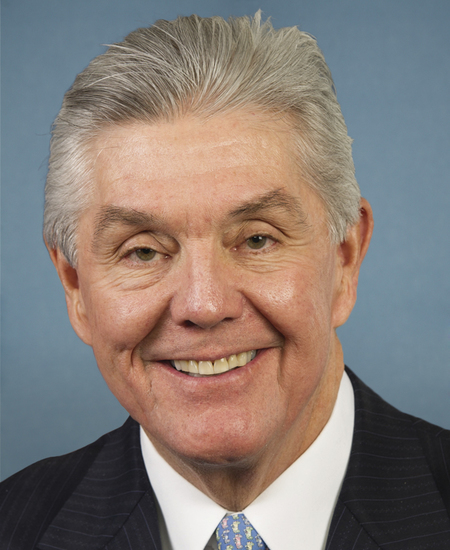
Rep. Roger Williams
Sponsored bills
Maddy summaryHRES 141 allocates $8,629,846 in funding for the Committee on Small Business's operations during the 119th Congress. The resolution specifies two spending periods - $4,287,634 for 2025 and $4,342,212 for 2026 - to cover staff salaries and committee expenses. This procedural resolution sets a budget ceiling for the committee's existing operations without changing policies or affecting constituents. It does not introduce new laws or alter legislative procedures beyond financial authorization.
Maddy summaryThe ELITE Vehicles Act repeals federal tax credits for purchasing new electric vehicles, used clean vehicles, and commercial clean vehicles. It also eliminates the tax credit for installing electric vehicle charging infrastructure. These changes apply to vehicles purchased or with a binding contract entered into 30 days after the bill's enactment. The bill directly affects consumers and businesses that previously used these credits to offset the cost of electric vehicles and charging stations.
This concurrent resolution declares that Congress should not impose any new performance fee, tax, royalty, or other charge relating to the public performance of sound recordings on a local radio station for broadcasting sound recordings over the air, or on any business for such public performance of sound recordings.
Maddy summaryHR 1301, the Death Tax Repeal Act, would eliminate the federal estate tax and generation-skipping transfer tax for estates of individuals dying on or after its enactment date. It directly affects individuals inheriting significant assets, as it removes taxes on estates exceeding $10 million (adjusted for inflation) and repeals taxes on large transfers between generations. The bill modifies the gift tax by establishing a $10 million lifetime exemption with annual inflation adjustments, replacing previous tax brackets. It applies to estates, gifts, and transfers occurring on or after the bill's effective date.
Maddy summaryHR 35, the Agent Raul Gonzalez Officer Safety Act, creates a new federal crime for operating a motor vehicle while intentionally fleeing U.S. Border Patrol agents or assisting law enforcement officers within 100 miles of the U.S. border. It imposes penalties of up to 2 years in prison for the basic offense, 5-20 years if serious injury occurs, and 10 years to life if death results. The bill also makes individuals convicted of this crime inadmissible to the U.S., deportable, and ineligible for immigration relief like asylum. Additionally, it requires annual reports from the Attorney General and Homeland Security Secretary detailing arrests, charges, and penalties related to this offense.
Maddy summaryHR 1232, the National Right-to-Work Act, would make union membership voluntary for workers in most private-sector jobs by removing legal requirements for employees to join a union or pay dues as a condition of employment. It directly affects workers in unionized workplaces covered by the National Labor Relations Act (including most private employers) and railroad workers covered by the Railway Labor Act. The key change eliminates provisions that allowed "union security agreements" (requiring dues or membership), meaning workers could no longer be forced to pay union fees to keep their jobs. This bill does not change other labor rights or create new programs - it only modifies existing laws to allow workers to opt out of union membership and financial obligations.
Maddy summaryThis bill expands eligibility for death and disability benefits under the public safety officers' death benefits program to include retired law enforcement officers who die or become permanently disabled from targeted attacks directly related to their past service. It specifically covers officers who retired in good standing from public agencies, including those who served without compensation. The policy change applies retroactively to cases occurring since August 28, 2012, and amends the Omnibus Crime Control and Safe Streets Act of 1968. This provides financial support to retired officers and their families affected by violence targeting their law enforcement careers.
Maddy summaryThis bill prohibits financial institutions and payment processors from using specific merchant category codes that separately identify businesses selling firearms or ammunition. It directly affects banks, credit card networks, and payment processors that handle transactions for firearm retailers. The key provision amends the Truth in Lending Act to require these covered entities to treat firearm merchants the same as other businesses for transaction categorization purposes. The law does not change gun ownership laws or restrict firearm sales, only addressing how financial transactions are classified.
Maddy summaryThis bill creates a 10% tax credit for businesses that modernize or replace freight railcars, directly affecting railcar owners and manufacturers. To qualify, railcars must meet an 8% improvement standard in capacity or fuel efficiency, be built or modernized after enactment, and replace two scrapped railcars. The credit is limited to 1,000 qualified railcars per business annually, with reporting requirements for the Treasury to track claimed credits, scrapped railcars, and new railcar production. The credit applies to railcars placed in service after December 2024, ending three years after enactment.