

Maddy summaryHR 2513 establishes a dedicated Inspector General (IG) position for the Consumer Financial Protection Bureau (CFPB), replacing the current shared IG arrangement with the Federal Reserve. The bill requires the CFPB to allocate 2% of its annual funding to the IG's office and mandates semiannual hearings before specific congressional committees to review the IG's reports. It also sets a 60-day deadline for the President to appoint the first CFPB IG after the bill's enactment. These changes directly affect the CFPB's internal oversight structure and its reporting obligations to Congress.
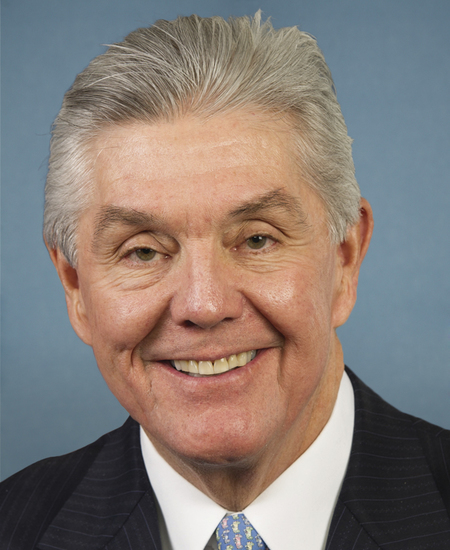
Rep. Roger Williams
Sponsored bills
Maddy summaryHRES 262 establishes a House Select Committee focused solely on investigating Mexican drug cartels and their international networks, including U.S. and Mexican government efforts to address them. The committee has no legislative authority but may hold public hearings, conduct investigations, and issue policy recommendations by December 2025, with final reports due by December 2026. This procedural resolution affects only House committee structure and processes, not direct policy changes for the public or government agencies.
Maddy summaryThe Freedom from Unfair Gun Taxes Act of 2025 would prohibit states and local governments from imposing taxes on the sale of firearms, ammunition, or firearm parts during interstate or foreign commerce. This bill directly affects state tax policies and manufacturers or dealers selling these items across state lines. It explicitly states that the bill does not change the existing federal tax on firearms and ammunition that funds wildlife conservation programs. The key provision bans state-level taxes for these sales in interstate transactions while preserving current federal funding mechanisms.
Maddy summaryThis bill amends the tax code to allow charitable organizations (501(c)(3) nonprofits) to provide grants for college student housing without losing their tax-exempt status. It specifically permits grants to improve or maintain "collegiate housing property" (where most residents are full-time students at a nearby college) but excludes grants for fitness facilities. The change affects charities seeking to fund student housing infrastructure, clarifying that such grants qualify as charitable under existing tax rules. The policy change applies to grants made after the bill's enactment date.
This joint resolution nullifies the final rule issued by the Consumer Financial Protection Bureau titled Overdraft Lending: Very Large Financial Institutions and published on December 30, 2024. The rule revises provisions regarding charges for insufficient funds in a customer’s bank account (i.e., overdrafts) at very large financial institutions. Under the rule, these institutions must (1) cap overdraft charges at $5; (2) with justification, cap charges at a higher amount; or (3) handle overdrafts as credit and comply with applicable Truth in Lending Act disclosure requirements.
Maddy summaryThis bill prohibits doctors from performing abortions based solely on a Down syndrome diagnosis. It requires providers to ask patients about such diagnoses before an abortion and inform them of the ban. Violations could result in criminal penalties (up to 5 years in prison) or civil lawsuits seeking damages for the patient or family. The law applies to all abortions performed in the U.S. or transported across state lines for this specific purpose. It does not restrict other abortion procedures or create a new right to abortion.
Maddy summaryHR 2197, the "No 340B Savings for Transgender Care Act," prohibits covered entities participating in the federal 340B drug pricing program from using savings from discounted drug purchases to pay for specific transgender healthcare services. The bill amends the Public Health Service Act to ban using 340B savings for sex reassignment surgeries or hormone treatments provided "for the purpose of gender alteration" of transgender individuals. This directly affects hospitals and clinics enrolled in the 340B program, restricting how they allocate funds saved through the program’s discounted drug pricing. The key provision is a targeted restriction on fund usage, not a ban on providing the medical services themselves. The bill focuses on reallocating program savings away from these specific care types.
Maddy summaryThe FOCA Act of 2025 prohibits federal agencies from requiring or banning contractors from using union agreements in construction project bids or contracts. It directly affects federal agencies, contractors, and subcontractors working on federally funded or assisted construction projects (like buildings or infrastructure). The law requires bid documents to not favor or penalize contractors based on whether they have union agreements, aiming to promote open competition and prevent discrimination. This changes how agencies structure bids but does not affect union agreements themselves. The bill applies to all new contracts and subcontracts after enactment, with limited exemptions only for public health/safety emergencies or national security.
Maddy summaryThis bill changes how individual investors in mutual funds (regulated investment companies) are taxed on certain dividends. It allows investors to defer paying tax on capital gain dividends that are automatically reinvested in additional fund shares through a dividend reinvestment plan. The deferred tax is recognized later when the investor sells shares or upon their death. It also establishes that shares acquired through this reinvestment are treated as held for over one year from the start, potentially qualifying for long-term capital gains rates. The rule applies only to individual investors (not estates, trusts, or dependents claimed by others).
Maddy summaryHR 2090 requires U.S. Customs and Border Protection (CBP) to hold any individual encountered at the border in custody until they cross-reference that person's name against the federal terrorist screening database and receive a result. This directly affects all aliens (non-citizens) processed by CBP at U.S. borders. The key mechanism mandates this database check as a mandatory step before releasing an individual, replacing previous procedures. The bill defines the "terrorist screening database" as specified under the Homeland Security Act of 2002.