

Maddy summaryThis bill makes it a federal crime to knowingly distribute non-consensual intimate images of adults (without consent, not in public, and not a matter of public concern) or images of minors in nude states (with intent to abuse/humiliate). It defines prohibited content, imposes penalties including up to 5 years in prison, and requires forfeiture of assets used in violations. Exceptions cover law enforcement, legal reporting, and service providers who don’t actively promote such content. The law directly affects victims of non-consensual image sharing and individuals distributing prohibited content.
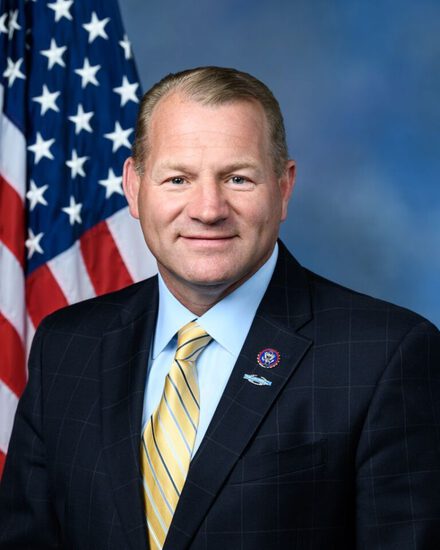
Rep. Troy E. Nehls
Sponsored bills
Maddy summaryThe READI Act prohibits U.S. military installations from housing undocumented immigrants or individuals in immigration removal proceedings. It directly affects military bases (excluding overseas locations) and individuals without lawful immigration status or undergoing deportation processes. The law explicitly bans using domestic military facilities for this purpose, aligning with existing immigration rules that define "unlawful presence." This creates a clear policy change by restricting the use of military infrastructure for immigration detention.
Maddy summaryHR 3612, the "No ESG at TSP Act," prohibits the Thrift Savings Plan (TSP) - the federal retirement plan for government employees - from offering investment funds that use environmental, social, or governance (ESG) criteria in their investment decisions. It specifically bans mutual funds, ETFs, or other vehicles marketed with ESG criteria (such as climate policies, diversity metrics, or gun industry focus) from the TSP's "mutual fund window." The bill requires the TSP Board to remove existing ESG-linked funds within 90 days, notify participants about switching to non-ESG options, and automatically move unselected funds to a government securities fund. This directly affects federal employees and retirees who use the TSP for retirement savings.
Tribal Gaming Regulatory Compliance Act This bill allows the Ysleta del Sur Pueblo and Alabama-Coushatta tribes to conduct gaming activities on their land in Texas if certain conditions are met. Currently, the Ysleta del Sur Pueblo and Alabama-Coushatta Indian Tribes of Texas Restoration Act prohibits the tribes from conducting gaming activities on their land if those activities are prohibited by Texas law. The bill repeals those provisions and instead applies the Indian Gaming Regulatory Act (IGRA) to gaming activities on Indian lands of the tribes.
Maddy summaryThis bill requires that AM radio receivers be included as standard equipment in all new motor vehicles (such as cars and trucks) sold in the United States, with a rule to be issued by the Department of Transportation within one year. The rule must ensure AM radio is easily accessible on the dashboard and allows manufacturers to use digital AM radio technology instead of traditional AM. During the one-year period between the bill's enactment and the rule's effective date, manufacturers must clearly label vehicles without AM radio. The bill also directs a study to evaluate whether an alternative system could deliver emergency alerts as reliably as AM radio across the country, especially during crises.
Maddy summaryHR 3497, the Uranium Miners and Workers Act of 2023, expands eligibility for compensation under the Radiation Exposure Compensation Act (RECA) to include uranium miners, millers, ore transporters, and core drillers who worked in specified states between 1942 and 1978 and later developed certain cancers or kidney diseases. The bill redirects $475 million from unobligated coronavirus relief funds (from acts like the CARES Act and American Rescue Plan) to the RECA trust fund to pay claims. It also extends the RECA program's funding period by 4 years and adjusts the deadline for submitting claims to 4 years after the bill's enactment. This law directly affects former uranium industry workers who developed radiation-related illnesses.
Maddy summaryHR 3484, the ARC Act, creates a U.S.-led Advanced Reactor Coordination and Resource Center to assist countries developing nuclear energy programs for the first time. The Center would help these "embarking civil nuclear nations" by providing standardized models for program development, coordinating international funding, conducting market analysis, and supporting safety and regulatory standards. It specifically targets countries without existing nuclear programs (excluding nations like China, Russia, and Iran), focusing on practical tools for building civil nuclear infrastructure, including electricity generation and non-electric applications. The bill establishes a framework for U.S. coordination but does not mandate funding or require the Center's creation.
Maddy summaryThe Recoup American Nuclear Global Leadership Act establishes a White House office to coordinate U.S. civil nuclear policy and create a 10-year strategy for increasing nuclear technology exports. It creates a Nuclear Exports Working Group to coordinate with federal agencies and develop export targets for U.S. nuclear reactors, equipment, and materials. The bill aims to strengthen U.S. nuclear energy exports to countries developing nuclear programs ("embarking civil nuclear nations") while promoting cooperation with U.S. nuclear energy companies. It includes provisions for cooperative financing relationships with allied nations to compete with Russia and China in the global nuclear market and for collaborative research on advanced nuclear reactors.
Strategic Nuclear Infrastructure Act This bill establishes a Strategic Infrastructure Fund Working Group to provide input to the National Security Council and other appropriate federal agencies on the feasibility of establishing a Strategic Infrastructure Fund that may be used to support capital-intensive infrastructure projects related to civil nuclear technologies, microprocessors, and other strategic investments.
Maddy summaryThis bill, HR 3458 (Reinstate Our Troops Act), provides relief to military service members who were involuntarily separated solely for refusing COVID-19 vaccinations. It requires military leaders to reinstate eligible service members to their previous rank within 30 days of their request (made within one year of the law's passage), return any bonuses they repaid due to separation, and change their discharge status to "honorable" if they don't seek reinstatement. It also mandates expunging records of the vaccination refusal from their service files. The bill requires the Secretary of Defense to report on implementation to Congress within 60 days.