

Maddy summaryHR 4489, the Sunshine on Solar Lending Act, requires creditors offering loans for solar energy systems (like panels, batteries, or EV chargers) to clearly disclose all fees to consumers in writing. It mandates that lenders show every fee charged to third parties (such as installers), compare the financed loan amount to the total cash price of the system, and ban forced arbitration for disputes. This directly affects homeowners seeking solar financing, solar installers, and the lenders providing these loans. The bill aims to prevent hidden costs and ensure transparency in solar financing transactions under existing Truth in Lending Act rules.
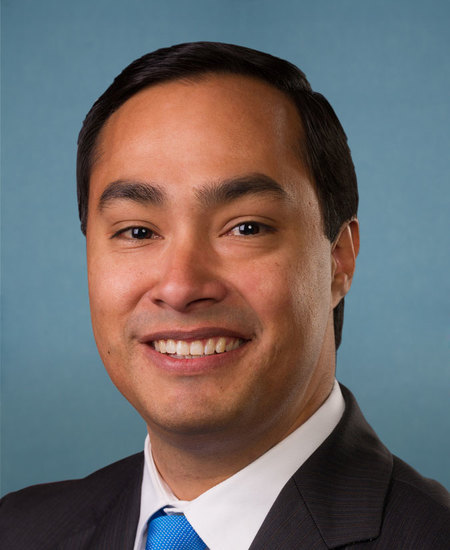
Rep. Joaquin Castro
Sponsored bills
Maddy summaryThe Silver Shield Act of 2025 establishes a new U.S. government program to monitor how foreign countries use American military equipment and services. It requires the U.S. to obtain written agreements from recipient nations before arms sales, prohibiting the use of U.S. weapons to commit civilian harm or violate international humanitarian law (like genocide or war crimes). The program mandates 180-day investigations into alleged violations and automatically makes violators ineligible for future U.S. arms transfers. This directly affects foreign governments receiving U.S. military aid, adding accountability measures to existing arms export rules.
Maddy summaryThis bill prohibits U.S. Immigration and Customs Enforcement (ICE) from using federal funds to detain or transport U.S. citizens during civil immigration enforcement actions. It directly affects ICE operations by blocking funding for any activity that would hold or move citizens outside the U.S. under immigration laws. The key mechanism is a specific funding restriction in the bill text, stating no funds may be used for detaining or transporting citizens. This applies to all civil immigration enforcement activities defined under the Immigration and Nationality Act. The bill does not create new enforcement powers but limits how existing funds can be spent.
Maddy summaryThis bill establishes federal worker heat protection standards to prevent heat-related illness and injury. It requires employers to provide a workplace free from heat stress hazards, including access to cool water, scheduled rest breaks, shaded cooling areas, and training on heat illness symptoms. The Secretary of Labor must create these standards within one year, incorporating evidence-based practices like engineering controls (e.g., ventilation), administrative measures (e.g., adjusted schedules), and employer-paid personal protective equipment. The law directly affects all employers in high-heat work environments - such as construction, agriculture, and manufacturing - and strengthens whistleblower protections for workers reporting safety violations.
Maddy summaryThe Child Care for Working Families Act creates a federal program to provide affordable, high-quality child care for working families with children under age 6. It would provide direct child care assistance through certificates or grants to parents, with no copayment required for families at or below 85% of state median income. The program requires states to implement quality standards for child care providers, including a tiered quality system and minimum wage requirements for staff (at least a living wage equivalent to elementary educators). The bill appropriates $20 billion for the program over five years, with additional funding for quality improvement initiatives and universal preschool services.
Maddy summaryHRES 575 is a symbolic resolution designating July 10th as "Journeyman Lineworkers Recognition Day." It honors lineworkers who face significant risks daily - working at heights near live wires and responding to disasters like hurricanes and wildfires. The resolution specifically references Henry Miller, an early leader of the International Brotherhood of Electrical Workers, who died on July 10, 1896, while troubleshooting an outage. It encourages the public to recognize these workers' contributions but does not create new laws or allocate funding.
Maddy summaryThe Head Start for Our Future Act amends Section 441(c)(1) of the Higher Education Act of 1965 to replace "literacy training" with "child development and early learning (including Head Start programs and Early Head Start programs carried out under the Head Start Act), literacy training." This technical change formally integrates Head Start and Early Head Start programs into the federal definition of early learning initiatives under the Higher Education Act, while maintaining a separate reference to literacy training. The bill directly affects how federal grants for early childhood education are categorized and administered under the Higher Education Act. It does not alter funding levels, program requirements, or operations but updates administrative terminology to explicitly include Head Start services.
Maddy summaryThis bill amends U.S. law to allow the President to extend diplomatic privileges and immunities to CERN (the European Organization for Nuclear Research) under the same terms applied to other international scientific organizations the U.S. collaborates with. It directly affects CERN’s legal status in the U.S., enabling smoother operations for its U.S. scientists and international research projects. The change is procedural, updating existing immunity provisions without altering scientific funding, research policies, or creating new programs.
Maddy summaryHRES 550 is a non-binding House resolution recognizing June 2025 as LGBTQIA+ Pride Month. It formally encourages all U.S. citizens to celebrate Pride Month to learn about LGBTQIA+ history, including the Stonewall Inn and Compton's Cafeteria uprisings. The resolution affirms that LGBTQIA+ rights are human rights and emphasizes the ongoing struggle for equality. It has no legal effect but serves as a symbolic statement of support for the LGBTQIA+ community and its history.
Maddy summaryThe GLOBE Act of 2025 aims to advance global LGBTQI human rights by requiring the U.S. State Department to document and report on violence and discrimination against LGBTQI people worldwide. It establishes a permanent Special Envoy for LGBTQI rights at the State Department and creates an interagency group to coordinate U.S. government responses to threats against LGBTQI populations. The bill authorizes sanctions against foreign individuals responsible for human rights violations against LGBTQI people, including banning them from entering the United States. It also includes provisions to improve U.S. foreign assistance programs to better protect LGBTQI rights and makes changes to immigration policy to better protect LGBTQI asylum seekers.