

Chiropractic Medicare Coverage Modernization Act of 2025 This bill expands Medicare coverage of chiropractic services to include all services provided by chiropractors, rather than only subluxation corrections through manual manipulation of the spine.
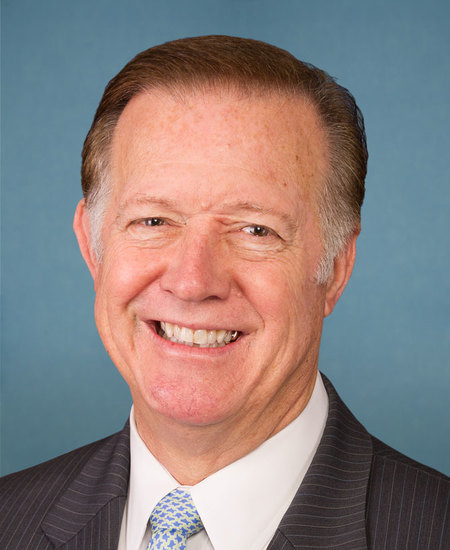
Rep. Randy K. Weber, Sr.
Sponsored bills
This bill increases the annual limit on the tax credit for qualified railroad track maintenance expenses (also referred to as the short line railroad tax credit) and expands eligibility for claiming the credit. Under current law, the tax credit is limited each tax year to $3,500 multiplied by the sum of the number of miles of railroad track owned or leased by the taxpayer (miles owned or leased) and the number of railroad track miles assigned to the taxpayer by a Class II or III railroad (miles assigned). This bill increases the annual limit to $6,100 multiplied by the sum of miles owned or leased and miles assigned. The $6,100 amount used in the calculation of the tax credit limit is adjusted for inflation for tax years beginning after 2025. The bill also expands eligibility for the tax credit to include gross expenses for maintaining railroad tracks owned or leased as of January 1, 2024. Under current law, the tax credit is limited to gross expenses for maintaining railroad tracks owned or leased as of January 1, 2015.
Maddy summaryHR 551, the "Make the Migrant Protection Protocols Mandatory Act of 2025," would require U.S. border officials to apply the Migrant Protection Protocols (MPP) to all eligible asylum seekers at the southern border, rather than allowing discretion. The bill amends the Immigration and Nationality Act to change the language from "may" to "shall" in Section 235(b)(2)(C), meaning officials must send asylum seekers back to Mexico to await their immigration hearings. This directly affects asylum seekers who would no longer have the option of remaining in the U.S. during processing. The key mechanism is a technical legal change to make the existing MPP policy mandatory for all applicable cases.
Maddy summaryThe HONDURAS Act would authorize the U.S. President to suspend all U.S. financial assistance to Honduras, including military aid under the 1954 bilateral agreement, if Honduras refuses to host U.S. military and civilian personnel at Soto Cano Air Base. This suspension would take effect after the redeployment of U.S. personnel due to Honduras' refusal or unwillingness to host them. The bill directly affects the Honduran government by potentially cutting off all U.S. aid, including military support. The key mechanism is a conditional trigger based on Honduras' refusal to host U.S. personnel, leading to automatic aid suspension.
Maddy summaryHR 520 allows law enforcement agencies to use Byrne JAG funds for programs specifically targeting the demand behind sex trafficking, such as initiatives aimed at reducing the market for commercial sex acts involving trafficked individuals. This bill amends existing federal funding rules to explicitly authorize these funds for "programs to combat human trafficking (including programs to reduce the demand for trafficked persons)." It directly affects state and local law enforcement agencies that receive Byrne JAG grants by expanding how they can allocate those resources. The key change is creating a dedicated funding category for demand reduction efforts, moving beyond solely supporting victim services or investigations.
Maddy summaryHR 506, the "Security First Act," allocates $110 million annually (2025-2028) for border security grants to state/local law enforcement through the Operation Stonegarden program, funded by a new trust fund using seized monetary instruments at the border. It requires the State Department to assess whether major Mexican cartels (like Sinaloa and Jalisco New Generation) and gangs (like Tren de Aragua) meet criteria for foreign terrorist organization designation. The bill mandates a detailed technology needs analysis by DHS within one year, evaluating border security tech gaps, new surveillance systems, and infrastructure to address threats like drug trafficking and human smuggling. This analysis must be updated biannually and includes assessing privacy impacts, staffing needs, and coordination with Mexican law enforcement.
Maddy summaryHR 526, the Declaration of Energy Independence Act, reduces costs for oil and gas leaseholders on federal lands. It lowers royalty rates from 16.67% to 12.5%, cuts minimum bids from $10 to $2 per acre, and adjusts annual rental rates (from $3-$15 to $1.50-$2 per acre). The bill also creates new noncompetitive leasing options for existing leases meeting production thresholds (e.g., 15 barrels/day oil or 60,000 ft³/day gas), allowing continued operation without bidding. These changes directly affect companies holding federal oil/gas leases, particularly those with older leases or low-production sites.
Maddy summaryHR 404, the "Hearing Protection Act," reclassifies firearm silencers (devices that reduce gunfire noise) as firearms for federal tax and regulatory purposes. It imposes a 10% federal tax on silencers, requires the destruction of all existing federal silencer registration records within one year, and preempts state laws that tax or regulate silencers. The bill clarifies that silencers are treated as firearms under federal law, including for licensing and marking requirements, and defines "firearm silencer" to include specific components. Note: The bill’s title is misleading - it addresses firearm silencer regulation, not hearing protection for people.
Maddy summaryHR 450, the FORCE Act, prevents the U.S. government from removing Cuba from the State Sponsors of Terrorism list. It requires the President to make a specific determination under the 1996 LIBERTAD Act before Cuba can be removed. The bill directly affects Cuba's international designation status and U.S. foreign policy actions toward the country. It does not change existing law but blocks any removal until the specified determination is made. The provision applies to both the President and the Secretary of State.
Maddy summaryThis bill expands U.S. entry restrictions for immigrants suspected of security-related activities. It denies entry to anyone who engages in, or is suspected of engaging in, activities violating U.S. espionage/sabotage laws (even if done abroad), evading export controls, or seeking to oppose the U.S. government by force. It also bars spouses or children of such individuals if the security-related activity occurred within the last five years. The law applies to all potential immigrants, including those seeking visas or entry, without changing existing waiver processes.