

Maddy summaryThe Campus Free Speech Restoration Act amends the Higher Education Act to strengthen student speech protections at colleges and universities receiving federal funding. It requires public institutions to follow strict guidelines for speech restrictions (ensuring they're content-neutral, viewpoint-neutral, and the least restrictive means to achieve a compelling interest), and mandates private institutions to disclose all speech-related policies on their websites in an easily accessible location. The bill defines "expressive activity" broadly to include peaceful assembly, distributing literature, carrying signs, and other First Amendment-protected activities, while prohibiting "free speech zones" and restrictive speech codes. Students can file complaints about speech policy violations, with potential consequences for non-compliant institutions including loss of federal funding after a formal review process. The law aims to ensure campus speech policies align with First Amendment protections without unduly restricting student expression.
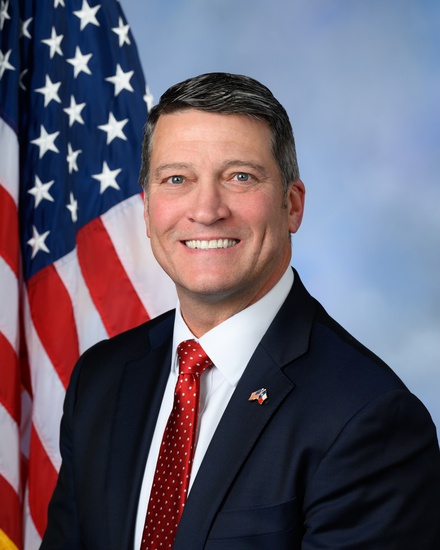
Rep. Ronny Jackson
Sponsored bills
Maddy summaryHR 1581, the America Works Act of 2023, modifies work requirement exemptions for the Supplemental Nutrition Assistance Program (SNAP). It expands direct exemptions to include individuals medically certified as unfit for work, parents or caregivers of children under 7, and pregnant women, while removing a specific enforcement clause (Section 6(o)(4)(A)(ii)). The bill adjusts existing exemption rules to clarify that certain exemptions apply retroactively to cases beginning before the bill's enactment date. These changes directly affect SNAP recipients who would otherwise face work requirements under federal law.
Maddy summaryHR 1550, the "Jobs and Opportunities for SNAP Act," reinstates work requirements for able-bodied adults without dependents who receive SNAP benefits. It removes a temporary pandemic-era exemption and modifies the Food and Nutrition Act to standardize these requirements, tightening exemption rules (reducing the allowable exemption threshold from 12% to 3% in certain cases). The bill affects SNAP recipients aged 18-64 without dependents, requiring them to meet work standards unless medically certified unfit, caring for young children, pregnant, or otherwise exempt under specific criteria. It also repeals outdated enforcement provisions and adjusts exemption categories to align with new standards. These changes directly alter eligibility conditions for a subset of SNAP beneficiaries.
Maddy summaryHR 1362, the Saving America’s Energy Future Act, prohibits federal agencies from banning new oil and gas leasing or drilling permits on federal lands. It directly prevents the Secretaries of Agriculture (for National Forest System lands) and Interior (for other public lands) from implementing moratoriums on these activities. The bill’s key mechanism is a clear statutory ban requiring agencies to continue processing new leases and permits without delay. This policy change affects oil and gas companies seeking access to federal land resources by ensuring leasing processes remain active. The bill does not create new programs or alter environmental standards, only blocking a specific regulatory action.
This joint resolution nullifies the final rule issued by the Consumer Financial Protection Bureau titled Small Business Lending under the Equal Credit Opportunity Act (Regulation B) and published on May 31, 2023. The rule requires financial institutions to collect and report to the bureau credit application data for small businesses. On July 31, 2023, the U.S. District Court for the Southern District of Texas ordered the bureau not to implement or enforce the rule until a related pending case is resolved.
Maddy summaryHR 1768, the NIH Reform Act, reorganizes the National Institutes of Health (NIH) by splitting the existing "National Institute of Allergy and Infectious Diseases" into three distinct institutes: the National Institute of Allergic Diseases, the National Institute of Infectious Diseases, and the National Institute of Immunologic Diseases. The bill updates titles, responsibilities, and leadership structures in the Public Health Service Act, including requiring presidential appointments with Senate confirmation for directors of the new institutes, each serving 5-year terms (with one possible reappointment). It mandates a transition period where the NIH Director oversees the new institutes until their directors are appointed, and updates all references to the former institute in federal law. This change directly affects NIH’s internal structure, leadership appointments, and administrative documentation, without altering research funding or policy priorities.
Maddy summaryHJRES 47 proposes a constitutional amendment to repeal the 16th Amendment, which established Congress's authority to levy federal income taxes. If ratified, this amendment would eliminate the federal government's power to tax income from any source (except during a formally declared war by Congress) within two years of ratification. The bill directly affects the federal tax system by removing the constitutional basis for income taxation, fundamentally changing how the government would fund itself. It requires the Secretary of the Treasury to submit implementation recommendations to Congress within 180 days of ratification. This is a procedural constitutional amendment proposal, not a direct tax law change.
Maddy summaryThis bill expands educational benefits eligibility for military members discharged under specific conditions related to COVID-19 vaccines. It amends two key programs (All-Volunteer Force and Post-9/11 GI Bill) to include service members receiving a "general discharge under honorable conditions on the sole basis" of refusing a lawful vaccine order. This change ensures those discharged solely for vaccine refusal - when the order was lawful - retain access to educational assistance they would otherwise qualify for with other honorable discharges. The bill directly affects active-duty service members who were discharged for vaccine non-compliance, not for other misconduct.
Maddy summaryHR 5, the Parents Bill of Rights Act, would require public schools receiving federal funding to provide parents with greater access to educational information. The bill mandates that schools post curricula online or widely distribute it to parents, include school budgets in report cards, and provide specific information about school activities including violent incidents and plans to eliminate gifted programs. It also guarantees parents the right to meet with teachers twice a year, review library materials, and address school boards. These requirements would apply to all local educational agencies and schools covered by the Elementary and Secondary Education Act. The bill amends existing education laws to strengthen parental transparency and involvement in their children's education.
Maddy summaryHRES 253 is a symbolic resolution introduced by House members expressing the House's opinion that Vice President Kamala Harris should be removed as the lead for the Biden administration's strategy on migration root causes. It does not create new law or policy but urges the administration to replace her with another leader and take specific border security actions like reinstating migrant protocols. The resolution cites border statistics and claims the current approach has worsened security, though it remains non-binding. It directly addresses the Vice President's role in immigration policy, not broader legislative changes. This is a procedural statement of opinion, not a bill with enforceable provisions.