

Maddy summaryHR 9075, the "Valor Earned Not Stolen Act of 2024," increases penalties for falsely claiming military honors by raising the maximum jail term from one to three years for fraudulent misrepresentation of military decorations, the Congressional Medal of Honor, or combat badges under federal law. The bill requires the Attorney General to conduct a study within 90 days of enactment to identify government benefits obtained through such fraud, in coordination with the VA Inspector General. It mandates a report to Congress within 180 days detailing study findings and policy recommendations. This law directly affects individuals who falsely claim military service awards to gain benefits or status. The primary changes are the enhanced criminal penalties and the mandated study to address fraud.
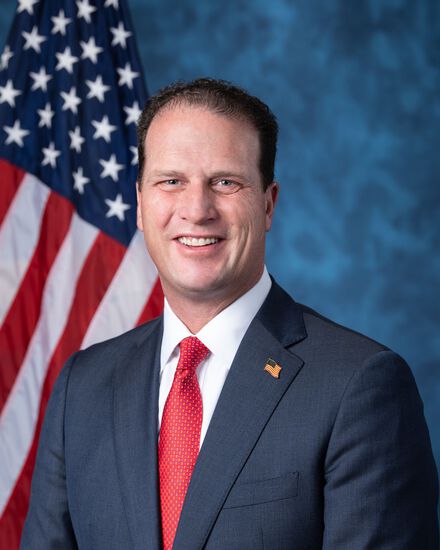
Rep. August Pfluger
Sponsored bills
Maddy summaryThis bill modifies U.S. tax depreciation rules for commercial and rental real estate. It changes the standard depreciation period for nonresidential real property (like offices) and residential rental property (like apartment buildings) to 20 years, removing bonus depreciation for these assets. It also creates a "neutral cost recovery" system that adjusts annual tax deductions based on GDP inflation data to maintain consistent tax treatment over time. These changes apply to property placed in service after the bill’s enactment date, affecting commercial property owners and rental investors through revised tax calculations.
Maddy summaryThis bill restricts the release of non-detained immigrants under the Alternatives to Detention program, requiring that all detention beds be filled and no other detention options exist before release. It mandates continuous GPS tracking during all immigration proceedings (including appeals) and a nightly curfew (10 p.m. to 5 a.m.) at a designated home address. Immigrants who fail to comply with these conditions face automatic removal without a hearing, as the bill adds a new provision allowing immigration judges to order removal in absentia based on an officer's affidavit. The policy directly affects non-detained immigrants under ICE supervision who would previously qualify for release.
Maddy summaryHR 9017 lowers federal oil and gas royalty rates from 16.67% to 12.5% and reduces minimum lease bids from $10 to $2 per acre. It also cuts annual rental rates for leases (from $3-$15 to $1.50-$2 per acre) and eliminates a fee for expressing interest in leases. The bill creates new "noncompetitive leasing" options for existing leases producing low volumes (e.g., ≤15 barrels oil/day or ≤60,000 cubic feet gas/day), allowing leaseholders to continue operations without bidding. These changes directly affect oil and gas leaseholders on federal lands, particularly smaller producers with existing low-production leases.
Universal Savings Account Act of 2024 This bill creates a new tax-exempt savings account to be known as a Universal Savings Account (USA). The bill allows eligible taxpayers to open an account and contribute up to $10,000 (adjusted for inflation) to an account each year. Contributions must be in cash and the allowable amount of contributions is subject to a phaseout based upon the taxpayer's modified adjusted gross income. Distributions from a USA are excludible from gross income, for income tax purposes, and may be transferred to a taxpayer's spouse or child upon the death of the taxpayer.
Maddy summaryHR 8986, the Show the Data Act of 2024, amends the Clean Air Act to require the EPA to base air quality area designations (like nonattainment areas) solely on data from federal monitoring stations within the same state. It removes references to "interstate areas" and mandates that any redesignation of an area must use air quality monitoring data collected by federal monitors in that specific state. The bill also requires the EPA to consult with the state governor before finalizing designations and follow standard notice-and-comment procedures. This directly affects how the EPA classifies air quality zones and the data used in those decisions, impacting states and local agencies managing air quality programs.
Maddy summaryThe TAKE IT DOWN Act (HR 8989) creates new federal criminal penalties for publishing nonconsensual intimate images or deepfakes without consent, directly affecting platforms hosting user-generated content and individuals who share such material. It defines "deepfake" as AI-generated intimate content falsely depicting someone, and prohibits publishing these without consent - especially when the victim expected privacy - imposing fines or up to 3 years in prison for offenses involving minors. The bill also requires "covered platforms" (like social media sites) to establish a 48-hour removal process for reported nonconsensual content and shields platforms from liability when removing content in good faith. The Federal Trade Commission enforces these provisions as unfair or deceptive practices.
Maddy summaryThis bill ends judicial deference to federal agency interpretations of laws (known as "Chevron deference"). It requires agencies to review past interpretations they relied on under Chevron, publish revised positions, and only issue rules when explicitly authorized by Congress. The bill also mandates that courts interpret statutes themselves rather than favoring agency views, requires criminal penalties to include proof of intent ("mens rea"), and ensures agency decisions are based only on publicly accessible materials. These changes directly affect federal agencies, courts, and individuals or businesses subject to agency regulations or penalties.
Maddy summaryHRES 1338 is a symbolic House resolution expressing support for designating the month of July as "American Patriotism Month." It recognizes historical acts of patriotism, including the Declaration of Independence (July 4, 1776), military service after Pearl Harbor and 9/11, and the role of citizens in defending U.S. values. The resolution requests the President issue an annual proclamation for this designation but has no legal effect or direct impact on citizens or policies. As a non-binding resolution, it does not create new laws or alter government operations.
Maddy summaryHR 8903, the UPRISERS Act, would revoke the student visas of international students on F, J, or M visas who are convicted of assaulting a police officer or participating in riot-related violence. It specifically targets offenses like inciting riots, organizing riots, committing violence during riots, or aiding others in such activities. The bill amends immigration law to make these convictions grounds for visa revocation and deportation. This policy directly affects international students holding these specific visa types who face criminal charges for the listed violent acts.