

Maddy summaryThis bill expands online privacy protections under the Children's Online Privacy Protection Act to cover teens aged 12-17, in addition to children under 13. It requires website and app operators to obtain verifiable consent from parents for children and from teens themselves before collecting personal information. The bill restricts operators from using collected data for individual-specific advertising to children or teens and mandates clear notices about data practices. Operators must provide users with the right to access, delete, and correct personal information they've collected. These requirements apply to websites, online services, and mobile applications that collect information from children or teens or have actual knowledge a user is a child or teen.
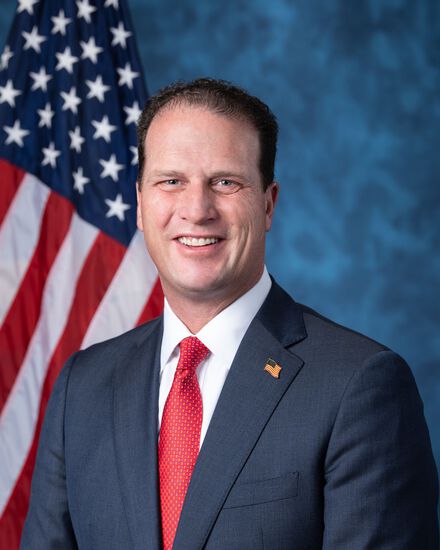
Rep. August Pfluger
Sponsored bills
Maddy summaryThe Kids Online Safety Act (HR 7891) would require major online platforms (with high revenue or user numbers) to implement safety features for children and teens, including default protective settings, parental controls, and age verification. It would mandate platforms to report annually on risks to minors and their safety measures, and prohibit advertising harmful products (like tobacco, alcohol, or gambling) to minors. The bill directly affects social media platforms, online video games, and video streaming services that are used by minors, with the goal of preventing mental health harms, compulsive usage, and cyberbullying.
Maddy summaryThis bill directs the Joint Committee on the Library to procure a statue of Benjamin Franklin and place it in the U.S. Capitol. The committee must secure the statue within two years of the bill's enactment and install it in a public-accessible location by January 1, 2026, for viewing during Capitol Visitor Center guided tours. It is a procedural measure with no policy changes or direct impact on constituents or legislation.
Maddy summaryHRES 1456 is a symbolic resolution designating September 17, 2024, as "Constitution Day" to honor the signing of the U.S. Constitution on September 17, 1787. It calls for the people of the United States to observe the day with ceremonies and activities, recognizing the Constitution's historical significance and foundational role in American governance. This resolution does not create new laws or affect any individuals or policies; it is purely a non-binding expression of support by the House of Representatives.
Maddy summaryHR 9449 establishes a "preferred provider list" for healthcare providers offering community care to veterans through the VA. It requires providers to complete annual, evidence-based suicide prevention training to be listed publicly, making it easier for veterans to find trained providers. The VA must annually report to Congress on the list's implementation, including provider numbers, veteran utilization patterns, and recommendations for improvement. This directly affects veterans seeking community care and healthcare providers participating in the VA's community care program.
Maddy summaryThis bill blocks U.S. Department of Homeland Security (DHS) funding to colleges and universities that maintain relationships with Confucius Institutes or "Chinese entities of concern" (defined as institutions linked to China's military or defense sectors). It requires affected schools to terminate such relationships within 12 months of the bill's enactment to regain eligibility for DHS funds. The law directly impacts higher education institutions receiving DHS funding, not all schools or federal programs. Key provisions mandate DHS to deny funding to institutions with ongoing ties to these entities, with eligibility restored only after relationship termination.
Maddy summaryThis bill allows VA health care professionals to prescribe controlled medications via telemedicine without requiring an in-person exam, directly affecting veterans receiving VA telehealth services. It permits prescriptions for controlled substances (like certain pain medications) when the provider is licensed under state law, acting within professional practice, and the prescription serves a legitimate medical purpose. The law requires the VA Secretary to establish regulations for this process but clarifies it doesn’t change existing Controlled Substances Act obligations. This expands access to telemedicine for veterans needing controlled medications while maintaining safety and licensing standards.
Maddy summaryHR 8836 establishes a grant program to fund projects improving habitat connectivity for migratory wildlife, particularly big game species like deer, elk, and pronghorn. It provides up to 90% federal funding for initiatives such as wildlife crossings, fence modifications, habitat restoration, and coordination with landowners, administered through the National Fish and Wildlife Foundation. Eligible recipients include state and tribal wildlife agencies, landowners, nonprofits, and transportation departments. The bill explicitly prohibits requiring changes to agriculture, mining, or existing land uses and preserves state/Tribal authority over wildlife management.
Maddy summaryThis bill amends an existing reporting requirement in the 2023 National Defense Authorization Act. It changes the provision to require the Department of Homeland Security to submit annual reports on counter-illicit cross-border tunnel operations, rather than just one report after developing a strategic plan. The bill does not create new programs or alter border security policy; it only modifies the frequency of required reporting. This procedural change directly affects the Department of Homeland Security's reporting obligations.
Maddy summaryThe PROTOCOL Act (HR 9450) improves transparency in federal broadband funding by requiring the FCC and NTIA to enhance their public databases. It adds detailed filtering options to the FCC's broadband map, allowing users to search by entity type (e.g., tribal entities, nonprofits, private companies), funding amounts, project timelines, and minimum service speeds. The bill also mandates states to submit annual reports on broadband deployment locations using federal and state funds, and requires all federal agencies awarding broadband grants to use the FCC map when making funding decisions. This directly affects federal agencies, states, and broadband providers receiving federal support, making project data more accessible for public oversight.