

Maddy summaryHRES 1509 is a symbolic resolution designating the week beginning November 11, 2024, as "National Pregnancy Center Week." It recognizes community-supported pregnancy centers across the U.S. for providing services like pregnancy testing, counseling, ultrasounds, parenting education, and material support to individuals facing pregnancy decisions. The resolution highlights that these centers, which serve approximately 2 million people annually through volunteer and staff efforts, operate as local, nonprofit organizations. It does not create new laws or funding but formally acknowledges their role in offering support to women and men.
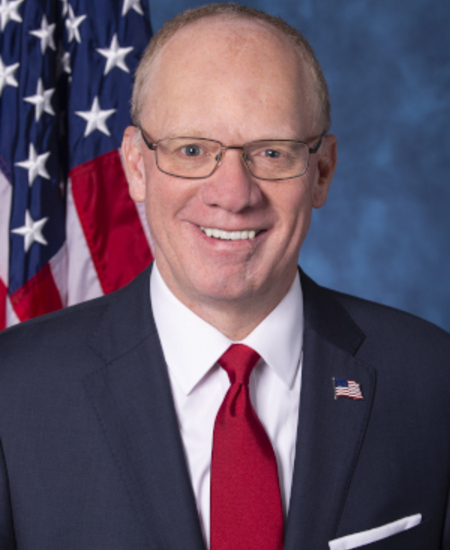
Rep. John W. Rose
Sponsored bills
Maddy summaryHJRES 136 is a resolution seeking to block an Environmental Protection Agency (EPA) rule that would have set new emissions standards for light and medium-duty vehicles sold in 2027 and later model years. The EPA rule, published in April 2024, aimed to require vehicle manufacturers to meet stricter pollution limits for these vehicles. If passed, this resolution would cancel the rule, preventing the EPA from enforcing the new standards. It uses a congressional process that allows Congress to reject agency rules with a simple majority vote.
Maddy summaryHJRES 144 is a congressional disapproval resolution targeting a specific rule issued by the Bureau of Alcohol, Tobacco, Firearms, and Explosives (ATF) on April 19, 2024. The resolution seeks to block the ATF's rule that redefined the term "engaged in the business" for firearm dealers, which would have affected how federal licensing requirements apply to certain sellers. If enacted, this resolution would nullify the rule, preventing it from taking effect under procedures in Title 5 of the U.S. Code. The bill directly impacts firearm dealers operating under the current regulatory framework and the ATF's enforcement authority.
Maddy summaryH.J. Res. 117 is a joint resolution that would disapprove an Environmental Protection Agency (EPA) rule concerning the reconsideration of National Ambient Air Quality Standards for particulate matter. The EPA rule, published on March 6, 2024, was part of the agency’s process to review these standards, which set limits for harmful air pollutants. This resolution invokes a congressional disapproval procedure under federal law to block the rule from taking effect. If enacted, the rule would have no force or effect, preserving the existing air quality standards for particulate matter.
Maddy summaryThe Kids Online Safety Act (HR 7891) would require major online platforms (with high revenue or user numbers) to implement safety features for children and teens, including default protective settings, parental controls, and age verification. It would mandate platforms to report annually on risks to minors and their safety measures, and prohibit advertising harmful products (like tobacco, alcohol, or gambling) to minors. The bill directly affects social media platforms, online video games, and video streaming services that are used by minors, with the goal of preventing mental health harms, compulsive usage, and cyberbullying.
Maddy summaryHR 1425, the "No WHO Pandemic Preparedness Treaty Without Senate Approval Act," requires the U.S. Senate to approve any World Health Organization (WHO) pandemic preparedness treaty through a two-thirds vote. The bill deems any convention, agreement, or international instrument on pandemic prevention drafted by the WHO’s International Negotiating Body (INB) as a treaty subject to Senate ratification, rather than allowing it to take effect as an executive agreement. This directly affects U.S. foreign policy implementation regarding WHO agreements, ensuring Congress has a formal role in approving such binding international commitments. The bill stems from congressional concerns about WHO’s pandemic response and public skepticism toward the organization, as outlined in its findings.
Maddy summaryHR 9534, the National Constitutional Carry Act, would prohibit states and localities from banning or restricting the public carrying of legally owned firearms by eligible U.S. citizens. It directly affects all gun owners who meet federal and state possession requirements, removing the need for permits or licenses to carry in public spaces. Key provisions state that any state law restricting public carry - such as requiring permits or imposing financial barriers - would be invalidated, with exceptions for privately-owned businesses that clearly prohibit firearms or locations with security screening. The bill bases this on Supreme Court rulings affirming the constitutional right to carry firearms for self-defense outside the home.
Maddy summaryThis resolution (HRES 1434) recognizes the Scarboro 85 - a group of 85 African-American students from Oak Ridge, Tennessee - as the first to integrate public schools in the Southeastern United States following the Supreme Court's 1954 *Brown v. Board of Education* decision. It specifically honors their peaceful integration of Oak Ridge High School and Robertsville Junior High on September 6, 1955, and acknowledges their leadership in desegregating schools across the region. The resolution does not create new laws or policies but formally commemorates their historical role in advancing educational equality. It was introduced by Tennessee congressional representatives and references community support from local churches.
Maddy summaryHR 2864, the Countering CCP Drones Act, adds DJI Technologies (Shenzhen Da-Jiang Innovations Sciences and Technologies Company Limited) and its equipment/services to the list of prohibited communications products under the Secure and Trusted Communications Networks Act. The bill directly affects U.S. federal agencies and entities receiving federal funds by prohibiting them from using DJI's telecommunications or video surveillance equipment or services. Its key mechanism requires federal agencies to remove DJI equipment from their networks and bans future procurement or use of such equipment. This policy change aims to address security concerns related to Chinese-owned drone technology in U.S. communications infrastructure.
Maddy summaryHR 3161, the CDFI Fund Transparency Act, requires the Treasury Secretary (or their designee) to annually testify before the House Financial Services Committee and Senate Banking Committee about the operations of the Community Development Financial Institutions (CDFI) Fund. This testimony would cover the Fund's activities from the previous year and is requested at the discretion of the committee chairs. The bill does not change how the CDFI Fund provides funding but mandates regular reporting to Congress on its operations. It directly affects the Treasury Department's reporting obligations and the congressional committees overseeing the Fund. This is a procedural transparency measure, not a substantive policy change.