

Maddy summaryH.J.Res. 141 is a congressional resolution disapproving a Department of Labor rule (89 Fed. Reg. 32302, April 25, 2024) that amended Prohibited Transaction Exemption 84-24. This rule would have changed regulations governing retirement investment transactions, specifically affecting how financial institutions and retirement plan administrators handle certain transactions. The resolution, if passed, would block the rule from taking effect by invoking the disapproval process under Title 5 of the U.S. Code. It directly impacts retirement plan providers and financial firms that rely on this exemption for investment activities. The bill does not create new policy but seeks to prevent the implementation of the specific Department of Labor rule.
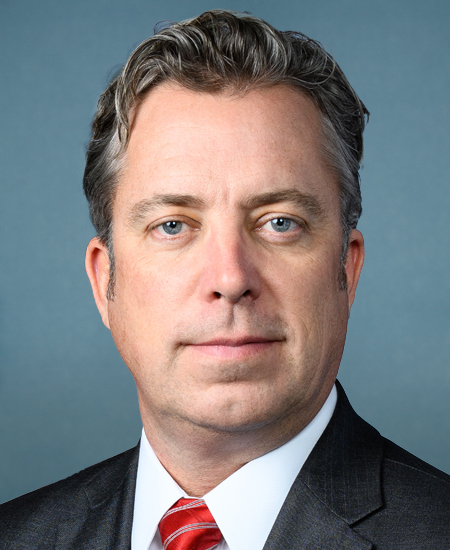
Rep. Andrew Ogles
Sponsored bills
Maddy summaryHRES 1210 is a non-binding House resolution condemning the Biden administration's border policies as the cause of a crisis that burdens law enforcement. It claims these policies led to record illegal border crossings, security threats (including encounters with individuals on terrorist watch lists), and increased crime involving migrants, citing specific incidents like assaults on officers and violent crimes. The resolution urges the administration and local officials to support law enforcement and recognizes the mental, physical, and psychological stress faced by officers. As a symbolic resolution, it does not enact legal changes but expresses the House's position on border policy.
Maddy summaryHR 8410, the "Let Trump Speak Act," prohibits judges from issuing gag orders (court orders restricting speech) in criminal or civil cases, except to protect confidential information, minors' privacy, or as part of a plea agreement. It directly affects defendants in court cases who face such orders by granting them the right to file a civil lawsuit seeking an injunction if a gag order violates this law. The bill establishes a clear legal mechanism for challenging improper gag orders while explicitly stating it does not limit a judge's authority to issue orders to court officers. This is a procedural change to court procedures affecting all defendants in federal and state cases.
Maddy summaryHRES 1226 is a non-binding resolution honoring 282 law enforcement officers killed in the line of duty during 2023, listed by name in the resolution. It formally acknowledges their sacrifice, expresses unwavering support for current officers, and recognizes the need for adequate resources to protect them. The resolution does not create new laws or policies but serves as a ceremonial tribute to memorialize fallen officers and support their families, aligning with existing National Police Week observances established since 1962.
Maddy summaryThis bill authorizes Congress to award President Donald J. Trump a Congressional Gold Medal in recognition of his foreign policy achievements during his presidency. It specifically cites his 2019 DMZ meeting with North Korea's leader, the 2020 Abraham Accords normalizing Middle East relations, and his claim of no new wars started during his term. The bill directs the Treasury Secretary to design and strike the medal, with proceeds from bronze duplicates sold to the public covering production costs. It does not create new laws or affect public policy - it is a ceremonial honor for a former president.
Maddy summaryHR 7109, the Equal Representation Act, requires the U.S. Census Bureau to add a citizenship status checkbox to the 2030 and future decennial censuses, asking respondents to identify if they are U.S. citizens, U.S. nationals, lawful residents, or unlawful residents. It then mandates excluding noncitizens (both lawful and unlawful residents) from the population count used to determine each state's number of congressional seats and electoral votes starting with the 2030 census. This bill directly affects how states are apportioned representation in Congress and presidential electoral votes, based solely on the citizen population. The key change is shifting the apportionment base from total population to citizen population alone, using the new census data.
Maddy summaryHR 8322, titled the "Study Abroad Act," would revoke F, J, or M visas for foreign students arrested for rioting, unlawful protest, or establishing/promoting campus encampments since October 7, 2023. It directly affects international students on these visa types who face such arrests. The bill mandates the Secretary of State to automatically revoke visas upon arrest for these specific campus-related activities. It does not alter study abroad programs but targets visa status for protest-related arrests. The title misrepresents the bill’s focus on visa revocation rather than study abroad support.
Maddy summaryThis bill requires individuals convicted of unlawful activity on a college campus after October 7, 2023, to complete at least six months of community service in Gaza. The service must align with the definition of community service under federal law (20 U.S.C. 1070c-4). It directly affects people convicted of campus crimes during this timeframe, mandating service in Gaza rather than a U.S. location. The provision establishes a specific geographic location (Gaza) and duration (minimum six months) for the community service requirement. The bill does not address antisemitism directly in its provisions, only linking the service requirement to campus convictions following a specific date.
Maddy summaryThis bill (HR 8306, the SHUSH Act) changes federal law to treat firearm sound suppressors (often called "silencers") as firearms for regulatory purposes, removing them from specific federal restrictions. It preempts state laws that impose taxes, registration, or recordkeeping requirements on sound suppressors, meaning states cannot enforce such rules for suppressors used in interstate commerce. The bill also updates tax code and firearm definitions to align with this federal treatment, ensuring suppressor owners meeting federal requirements comply with existing National Firearms Act standards. It directly affects suppressor owners and state governments that previously regulated suppressors through taxes or registration.
Maddy summaryHR 3325, the Recruit and Retain Act of 2024, expands how federal COPS grants can be used to help law enforcement agencies hire officers. It allows grants to cover application fees (like background checks) for agencies facing declining recruitment, permits up to 2% of grant funds for administrative costs, and creates a new "Pipeline Partnership Program" requiring law enforcement agencies to partner with schools or colleges to engage students through career events, mentoring, and internships. The bill also adds guidance for agencies operating below budgeted staffing levels and mandates a Comptroller General study on recruitment/attrition trends across all levels of law enforcement. These changes directly affect local, state, and tribal police departments struggling to recruit or retain officers, as well as educational institutions partnering with them.