

Maddy summaryHR 4003, the Let Freedom Sing Act, removes permit requirements for singing the national anthem in specific public areas of the U.S. Capitol, including National Statuary Hall, when it does not disrupt government operations. The bill directly affects individuals who wish to sing the anthem in these federally owned spaces without prior authorization. It prohibits Capitol Police or the Sergeant at Arms from requiring permits for such singing and overrides local D.C. code restrictions in these areas. The law explicitly states singing the anthem in designated Capitol spaces is not considered disruptive protest under the First Amendment.
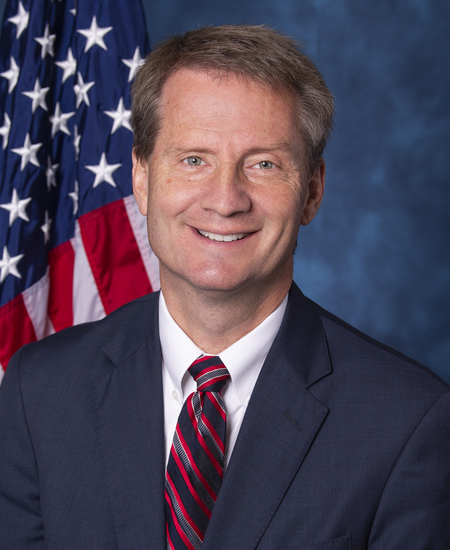
Rep. Tim Burchett
Sponsored bills
Maddy summaryThis bill increases the annual tax deduction for out-of-pocket classroom supply expenses from $250 to $1,000 for eligible educators, including K-12 teachers in public and private schools. It updates the Internal Revenue Code to replace the term "elementary and secondary school teachers" with "eligible educators" and adjusts related references to years and amounts. The change applies to taxable years beginning after December 31, 2022, meaning educators can claim the higher deduction starting with 2023 tax filings. The bill directly affects teachers and school staff who typically cover classroom costs personally.
Maddy summaryThis bill withholds federal funding from elementary or secondary schools violating state laws regarding materials deemed harmful to minors. It allows states to redirect funds to 529 education savings plans for affected students, enabling families to use those funds for homeschooling, tuition, curriculum materials, or approved educational therapies. The law expands 529 plan eligibility to cover homeschool expenses and specific educational costs like tutoring and standardized test fees, effective after enactment. States must report annually on schools violating the law and program usage to Congress.
Maddy summaryThis bill amends federal funding rules for Title X family planning services. It prohibits the Secretary of Health and Human Services from requiring any State, clinic, or organization receiving Title X funds to provide abortion counseling or referrals as a condition of receiving that funding. The law directly affects all Title X grantees - clinics and providers that receive federal funds for preventive reproductive health services. The key provision ensures that funding eligibility cannot be tied to abortion-related services or referrals.
This resolution condemns Iran for the 1988 massacre of political prisoners. It also urges the Biden Administration and U.S. allies to publicly condemn the massacre and to pressure Iran to provide information to the families of the victims.
Maddy summaryThis bill ensures veterans enrolled in their final semester of education under the Post-9/11 GI Bill receive the full monthly housing stipend, treating them as more than half-time for that period. It requires the Department of Veterans Affairs to provide 180 days' notice with justification before implementing rule changes affecting veterans' education benefits, allowing time for review by students and institutions. Additionally, the bill permits multi-year waivers for educational institutions regarding accreditation requirements and adjusts the notice period for risk-based surveys from one to two business days. These changes directly affect veterans using GI Bill benefits, educational institutions, and the VA in managing education programs.
Maddy summaryThis bill directs the U.S. Treasury to mint commemorative coins marking the Marine Corps' 250th anniversary in 2025. It authorizes three coin types: $5 gold coins (max 50,000), $1 silver coins (max 400,000), and half-dollar coins (max 750,000), with surcharges of $35, $10, and $5 respectively. The surcharge proceeds will fund the Marine Corps Heritage Center's educational programs, with no net cost to taxpayers as the Treasury must recover all minting costs through the surcharges. The coins can only be issued during 2025, and the Treasury must ensure all costs are covered before distributing funds to the Heritage Foundation.
Maddy summaryHR 4721, the Main Street Tax Certainty Act, makes a permanent the 20% tax deduction for eligible small business owners under Section 199A of the tax code. This provision directly affects pass-through business owners (like S-corps, partnerships, and sole proprietorships) who qualify for the deduction. The bill achieves this by removing the temporary expiration language (subsection (i)) from the existing tax code provision. The key change is ending the need for annual congressional extensions of this deduction, providing long-term tax certainty for small businesses.
Maddy summaryThe Afghan Adjustment Act creates a pathway for certain Afghans who directly supported U.S. missions in Afghanistan during the 20-year U.S. military presence to adjust to lawful permanent resident status (green card holders). It specifically targets Afghans who worked with U.S. forces or agencies, including military personnel, security personnel, and their families, who received "Chief of Mission approval" for special immigrant status. Key provisions include new vetting requirements (in-person interviews and biometric screening), exemption from immigration numerical limits, $20 million annually for implementation, and a task force to develop resettlement strategies. The bill also establishes a new category of special immigrant visas for at-risk Afghan allies and sets a two-year application deadline after guidance is published.
Maddy summaryHR 4398, the "Patriotism Not Pride Act," prohibits federal agencies from using taxpayer funds to support or promote Lesbian, Gay, Bisexual, Transgender, Queer, and Intersex (LGBTQ+) Pride Month activities, including events, communications, or educational programs. It also bans the display of any flag representing sexual orientation or gender identity on federal property or grounds. The bill applies to all federal agencies as defined in U.S. law and directly affects how agencies manage public communications and property. This is a procedural measure restricting specific federal activities, not a substantive policy change.