

Maddy summaryHJRES 136 is a resolution seeking to block an Environmental Protection Agency (EPA) rule that would have set new emissions standards for light and medium-duty vehicles sold in 2027 and later model years. The EPA rule, published in April 2024, aimed to require vehicle manufacturers to meet stricter pollution limits for these vehicles. If passed, this resolution would cancel the rule, preventing the EPA from enforcing the new standards. It uses a congressional process that allows Congress to reject agency rules with a simple majority vote.
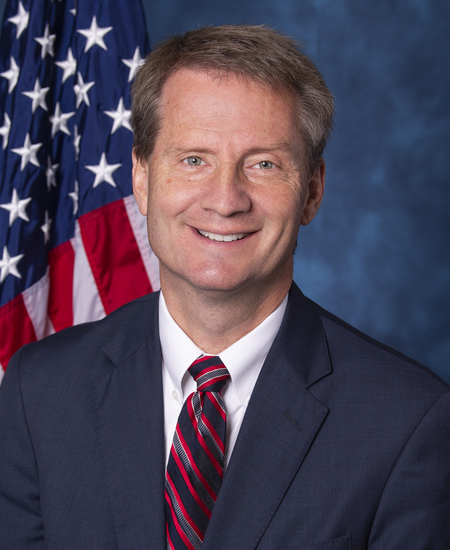
Rep. Tim Burchett
Sponsored bills
Maddy summaryHR 9757, the "No More Taxpayer Cash for the Taliban Act," bans U.S. federal funds from being used for direct cash assistance to individuals in Afghanistan or for providing U.S. currency to the United Nations to support such aid. The bill specifically prohibits federal agencies from funding direct cash payments to Afghans and stops the Federal Reserve from selling U.S. currency to the UN for this purpose. It aims to prevent billions of taxpayer dollars (as reported by SIGAR) from indirectly funding the Taliban through mechanisms like aid taxation and currency exchange fees at the Taliban-controlled central bank. The law applies directly to federal departments, the UN, and non-governmental organizations receiving U.S. funds for aid in Afghanistan.
Maddy summaryHJRES 144 is a congressional disapproval resolution targeting a specific rule issued by the Bureau of Alcohol, Tobacco, Firearms, and Explosives (ATF) on April 19, 2024. The resolution seeks to block the ATF's rule that redefined the term "engaged in the business" for firearm dealers, which would have affected how federal licensing requirements apply to certain sellers. If enacted, this resolution would nullify the rule, preventing it from taking effect under procedures in Title 5 of the U.S. Code. The bill directly impacts firearm dealers operating under the current regulatory framework and the ATF's enforcement authority.
Maddy summaryThis bill prohibits U.S. economic aid to foreign governments that restrict speech protected under the U.S. Constitution. Specifically, it blocks funding if a foreign government (or its officials/contractors) abridges or censors such speech, or pressures platforms (including social media and media organizations) to censor protected speech. The Secretary of State must publish determinations of violations in the Federal Register. It directly affects foreign governments meeting these criteria, not U.S. citizens or domestic policies. The law focuses on restricting U.S. aid based on specific speech-related actions by foreign entities.
Maddy summaryHR 4693, the Tennessee Valley Authority Salary Transparency Act, requires the Tennessee Valley Authority (TVA) to publicly disclose the salaries of its employees earning above the GS-13 General Schedule pay rate (the highest pay grade for most federal civilian jobs). This bill amends the TVA Act of 1933 to raise the salary threshold for mandatory public disclosure from $1,500 annually to the GS-13 rate, meaning higher-paid TVA staff must now have their compensation made public. The change directly affects TVA employees whose base pay exceeds the GS-13 rate, increasing transparency for those positions. The bill does not alter TVA's operations or funding, only the disclosure requirements for specific employee compensation.
Maddy summaryThis bill (HJRES 163) is a congressional disapproval resolution targeting an Environmental Protection Agency (EPA) rule finalized on May 9, 2024. The EPA rule established new emissions standards for greenhouse gases from fossil fuel power plants (both new and existing) and repealed a previous rule called the Affordable Clean Energy Rule. The resolution would block this EPA rule from taking effect by invoking the Congressional Review Act (Chapter 8 of Title 5, U.S. Code). If passed, it would prevent the EPA rule from being enforced, directly affecting fossil fuel power plant operators and the EPA’s regulatory authority over emissions.
Maddy summaryHJRES 133 is a congressional resolution seeking to block an Environmental Protection Agency (EPA) rule titled "Greenhouse Gas Emissions Standards for Heavy-Duty Vehicles-Phase 3." This rule, published in the Federal Register on April 22, 2024, established new emissions requirements for large trucks and commercial vehicles. The resolution, if passed, would prevent the EPA rule from taking effect by formally disapproving it under standard congressional review procedures. The measure directly affects the EPA’s regulatory authority and vehicle manufacturers who would have been required to comply with the proposed standards.
Maddy summaryThe Kids Online Safety Act (HR 7891) would require major online platforms (with high revenue or user numbers) to implement safety features for children and teens, including default protective settings, parental controls, and age verification. It would mandate platforms to report annually on risks to minors and their safety measures, and prohibit advertising harmful products (like tobacco, alcohol, or gambling) to minors. The bill directly affects social media platforms, online video games, and video streaming services that are used by minors, with the goal of preventing mental health harms, compulsive usage, and cyberbullying.
Maddy summaryHR 9617, the KAMALA Act, prohibits federal housing and community development grants from being used to assist individuals who are not U.S. citizens or lawfully present in the U.S. (specifically, those not admitted for permanent residence under immigration law). This directly affects state and local governments, municipalities, and tribal entities receiving federal housing funds under the Housing and Community Development Act of 1974, preventing them from using those funds for housing or community programs aiding undocumented immigrants. The bill amends two sections of the 1974 Act: it blocks grant funds from assisting undocumented people (Section 105) and bars grants to any recipient entity that provides such assistance (Section 103). These changes apply to all fiscal years starting in 2024 and later.
Maddy summaryHR 455 corrects a technical numbering error in the Controlled Substances Act's definitions section. It relabels paragraph (58) as (59), moves the definition of "serious drug felony" from paragraph (57) to (58), and adjusts the formatting of these references. This bill makes no policy changes - it only fixes how legal references are ordered in the law. It directly affects legal documents, court filings, and agency enforcement that cite specific definitions under the Act. The change ensures consistency in how the law is referenced but does not alter any substance or impact.