

Maddy summaryThis bill makes Executive Order 14278 legally binding by codifying it into law. The order directs federal agencies to develop programs preparing Americans for high-paying skilled trade jobs in emerging fields. It directly affects the executive branch, requiring departments to implement these workforce training initiatives as a formal legal obligation. The key provision is converting the existing executive order into a permanent legislative requirement, streamlining the process for workforce development programs.
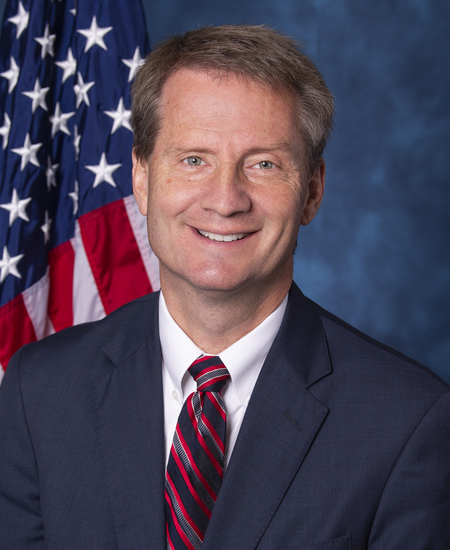
Rep. Tim Burchett
Sponsored bills
Maddy summaryThis bill codifies Executive Order 14280 (titled "Reinstating Commonsense School Discipline Policies") into federal law, making its provisions permanently binding. It directly affects school districts by requiring them to implement the specific discipline policies outlined in the order, rather than relying on the executive order alone. The key mechanism is converting the existing executive order into statutory law, ensuring consistent application of these discipline guidelines across schools. The bill does not alter the policies themselves but establishes them as enforceable law.
Maddy summaryThe Executive Order 14233 Act of 2025 makes Executive Order 14233 legally binding by codifying it into federal law. This order established a "strategic Bitcoin reserve" and a "United States digital asset stockpile" for the federal government to hold digital assets. The bill directly affects federal agencies responsible for managing digital assets, requiring them to implement and maintain these reserves under legal authority. It does not create new policy but formalizes an existing executive directive into permanent law.
Maddy summaryThe EO 14285 Act of 2025 codifies Executive Order 14285 into law, making its provisions about seabed mineral resource development legally enforceable as statute rather than an executive directive. This bill directly affects federal agencies managing ocean resources, seabed mining operations, and companies seeking permits for seabed mineral extraction. The key mechanism is the formal conversion of the executive order (90 Fed. Reg. 17735) into binding law, ensuring consistent regulatory authority. It does not alter the order's content but elevates its legal standing, streamlining oversight of seabed mineral activities under statutory authority.
Maddy summaryHRES 468 designates June 1-7, 2025, as "National Trailer Safety Week" in the U.S. to promote education about safe towing practices for light- and medium-duty trailers. The resolution supports existing efforts by the National Association of Trailer Manufacturers to educate American motorists on proper trailer maintenance, inspection, and towing techniques. It does not create new laws but expresses congressional backing for this annual awareness campaign, which aims to reduce road incidents by engaging dealers, manufacturers, and end-users. The initiative directly targets motorists who tow trailers, aligning with a program that reaches hundreds of thousands annually.
Maddy summaryThis bill, titled "Make DOGE Permanent Act," amends the Federal Funding Accountability and Transparency Act of 2006 to provide Members of Congress (Senators and Representatives) with real-time access to federal award data. It requires the Office of Management and Budget to create a secure, separate online link for Congress to view updated information on federal spending, including payments to individual recipients and federal employees. The website must update in real time for this access, and the link must be established within six months of enactment. The bill directly affects congressional oversight capabilities but does not change public access to the same data.
Maddy summaryThe Restoring American Freedom Act (HR 3719) prohibits the U.S. Department of State and entities receiving federal funds from it from censoring U.S. citizens' First Amendment-protected speech. It bans using federal funds to create or distribute "censorship tools" without safeguards and prohibits "advertising blacklists" that target citizens based on their speech content. The bill requires the Department to monitor for censorship, correct past misconduct, and notify Congress and affected citizens when such violations occur. This law directly affects Department of State operations and organizations receiving State Department grants or contracts.
Maddy summaryHR 3677 codifies Executive Order 14292 (signed May 5, 2025) into law, making its provisions about "Improving the Safety and Security of Biological Research" legally binding. The bill does not change the order's content but elevates it to statutory force, requiring federal agencies and biological research institutions to follow its safety and security protocols. This directly affects research facilities, federal agencies managing biological research, and entities subject to the order's requirements. The key mechanism is converting an executive directive into enforceable law, ensuring consistent implementation without altering the original safety standards.
Maddy summaryHR 3676, the Executive Order 14293 Act of 2025, would make Executive Order 14293 a permanent law with the force of law. This executive order provides regulatory relief to encourage domestic production of critical medicines by streamlining certain approval processes. The bill directly affects pharmaceutical manufacturers and the U.S. drug supply chain by turning these regulatory changes into legally binding requirements. Its key mechanism is codifying the executive order, ensuring the policy changes cannot be reversed by future executive actions.
Maddy summaryThis bill (HR 3675) codifies Executive Order 14290 into law, making it legally binding. It directly affects federal agencies responsible for distributing taxpayer funds, requiring them to cease subsidizing media organizations deemed "biased" under the order. The key mechanism is converting the executive order - previously issued by the President - into statutory law, giving it the force of a federal statute. The bill does not create new subsidy policies but mandates compliance with the existing order's requirements regarding media funding.