

Maddy summaryThe STOP CSAM Act of 2025 would strengthen protections for child victims and witnesses in federal court by creating a new definition of "covered person" to include minors under 18 who are victims or witnesses of abuse, exploitation, or kidnapping. The bill requires internet service providers to report apparent child sexual exploitation to the CyberTipline within 60 days, with civil penalties of $50,000-$250,000 per violation and criminal fines up to $1 million for non-compliance. It also creates new civil remedies allowing victims to sue platforms that host or promote child sexual exploitation, with minimum $300,000 in damages. Additionally, large platforms would be required to submit annual reports to the Attorney General and FTC detailing their safety measures and child exploitation on their platforms.
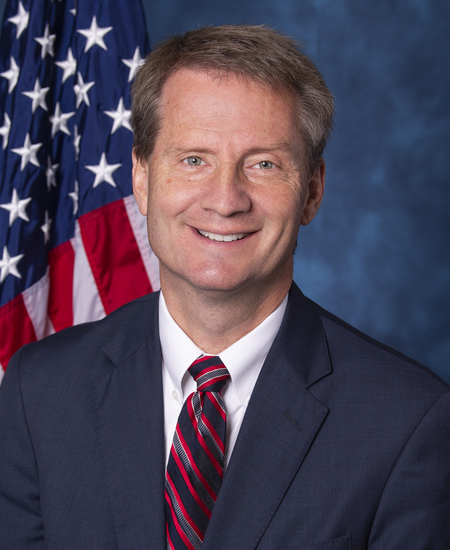
Rep. Tim Burchett
Sponsored bills
Maddy summaryThis bill would make non-citizens deportable if they incite or participate in riots during civil unrest involving assaults on law enforcement or military personnel, or destruction of public property, and who were unlawfully present, had DACA, or were lawful permanent residents at the time of the offense. It permanently bars such individuals from reentering the U.S. or accessing any relief from deportation, including asylum, cancellation of removal, or future DACA benefits. During declared emergencies (such as national disasters or state emergencies), the law mandates expedited removal and mandatory detention for those covered, with no discretion for enforcement.
Maddy summaryHR 1373, the Tennessee Valley Authority Transparency Act of 2025, requires the TVA Board to hold public meetings, provide 6 days' notice via its website, and publish meeting minutes online for all non-emergency meetings. This directly affects the TVA Board and its committees by mandating greater public access to their proceedings. Key provisions include requiring all meetings (except emergency-designated ones) to be open to the public, with notice posted online at least six days in advance, and making meeting summaries and minutes publicly available. The bill focuses on procedural transparency without altering TVA's operational authority or funding.
Maddy summaryHRES 481 is a symbolic resolution condemning recent antisemitic attacks in the U.S., specifically referencing the June 1, 2025, Boulder, Colorado, assault on a Jewish community gathering and other incidents like the May 2025 Washington, D.C., embassy shooting. It formally recognizes a pattern of violence targeting Jewish individuals and institutions, including attacks during religious events. The resolution calls on law enforcement to thoroughly investigate and prosecute such incidents and urges elected officials to publicly oppose antisemitism and politically motivated violence. As a non-binding resolution, it does not create new laws or allocate funding but serves to affirm congressional stance against antisemitism.
Maddy summaryThe EO 14253 Act of 2025 would make Executive Order 14253 (which addresses the presentation of American history under the stated goal of "restoring truth and sanity") a binding federal law. This would require all federal agencies and officials to follow the order's guidelines as if they were enacted by Congress. The bill does not change the order's content but formally elevates it from an executive directive to a statute, ensuring its enforcement through legislative authority. It directly affects federal agencies responsible for historical education and public communications.
Maddy summaryHR 3837, the "EO 14218 Act of 2025," is a procedural bill that codifies Executive Order 14218 into law. It states that Executive Order 14218 (which addresses ending taxpayer subsidization of open borders) shall have the force and effect of law. The bill does not create new policy or specify affected groups; it simply makes the existing executive order legally binding. This is a formal codification without new substantive provisions.
Maddy summaryThe EO 14155 Act of 2025 codifies Executive Order 14155, which withdrew the United States from the World Health Organization (WHO), making this withdrawal legally binding as a law. This bill directly affects the U.S. government's relationship with the WHO, ending U.S. membership and requiring Congress to pass new legislation for the U.S. to rejoin. The key mechanism ensures the withdrawal cannot be reversed by future executive actions, only by a new law passed by Congress. This changes the policy from a temporary executive directive to a permanent statutory requirement.
Maddy summaryThe EO 14282 Act of 2025 codifies Executive Order 14282 into law, requiring American universities to provide transparency about foreign influence, such as funding or partnerships with foreign governments. This bill directly affects universities by mandating these disclosure requirements, which were previously enforced only through executive order. The key mechanism is converting the executive order into statutory law, making its provisions legally binding and enforceable. The bill does not alter the order's content but ensures its requirements have the force of law.
Maddy summaryThis bill codifies Executive Order 14286, which established "commonsense rules of the road for America's truck drivers," making it legally binding law. It directly affects commercial truck drivers by implementing specific operational regulations previously set by the executive order. The bill does not create new rules but formally incorporates the existing order into law, ensuring its requirements have the force of statute. This procedural measure applies to truck drivers operating under the regulations outlined in the April 28, 2025, executive order.
Maddy summaryThis bill codifies Executive Order 14190, titled "Ending Radical Indoctrination in K-12 Schooling," making it legally binding law. It directly affects K-12 public schools and educators by requiring compliance with the order's provisions as a permanent legal standard. The key mechanism is converting the executive order - which targets specific curriculum content and teaching methods - into federal law, removing it from executive discretion. This procedural bill does not create new policies but enshrines the existing order's requirements into statute.