

Maddy summaryThis resolution expresses the sense of the House of Representatives that Charleston, South Carolina, should proceed with hosting the 2027 annual meeting of the Organization for Security and Cooperation in Europe Parliamentary Assembly. The bill cites Charleston's existing facilities as suitable for the event and notes that hosting the convention in South Carolina honors the legacy of late Senator Lindsey Olin Graham. It also highlights that the United States has not hosted this specific assembly since 2005. The measure does not change any laws or allocate funding but serves as a formal statement of support for the planned event.
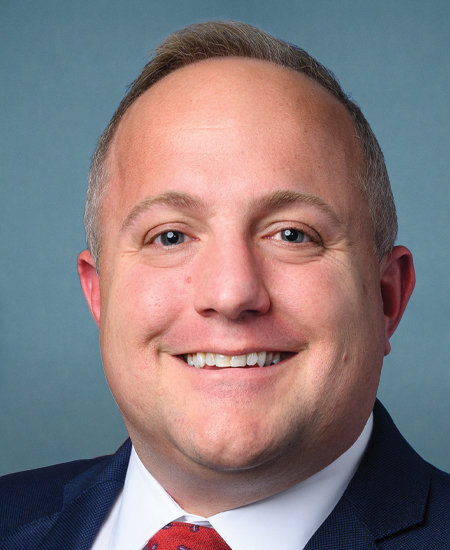
Rep. Russell Fry
Sponsored bills
Maddy summaryHR 7651, the Chloe Cole Act of 2026, prohibits healthcare providers from performing certain medical interventions on minors under 18 aimed at altering physical development to align with gender identity. These "covered interventions" include puberty blockers, hormone treatments, and specific surgeries, but exclude medically necessary care for conditions like disorders of sexual development or traumatic injuries. The bill creates a federal civil lawsuit right for affected minors or their parents against providers who perform such interventions, allowing claims for damages including emotional distress and punitive awards, with strict liability for providers after the law's enactment. It explicitly allows exceptions for legitimate medical treatments and requires providers to prove such exceptions apply if challenged.
Maddy summaryHR 5880, the "Fight Illicit Pill Presses Act," requires manufacturers and distributors of pill-making machines (like tableting machines) and their critical parts (such as punches and dies) to affix permanent serial numbers to these items. It mandates that these businesses report transactions involving such machines to the Attorney General and maintain records of the serial numbers. The law prohibits tampering with or knowingly distributing machines with removed or altered serial numbers. This directly affects manufacturers, distributors, and sellers of these specific pill-production machines and parts, aiming to improve tracking of equipment used in illicit drug manufacturing.
Maddy summaryHR 3100 amends the National Child Protection Act of 1993 to expand background check requirements. It allows businesses and organizations working with vulnerable populations (like children or elderly individuals) to request background checks for their contractors and for people they license or certify to provide care. The bill modifies the law to include individuals "contracted with" or "licensed/certified by" these organizations as those requiring background checks. This change directly affects organizations serving vulnerable groups, their contractors, and licensed care providers by broadening the scope of background checks mandated under the Act.
Protecting Privacy in Purchases Act This bill prohibits payment card networks from using merchant codes that distinguish firearms retailers from general-merchandise retailers or sporting-goods retailers. The Department of Justice must enforce this bill and report annually on the resulting investigations and cases.
Maddy summaryThe SHIELD Citizens Act aims to restrict access to federal welfare programs, such as food assistance, Medicaid, and housing aid, exclusively to United States citizens. By amending existing laws, the bill removes eligibility for noncitizens, including lawfully domiciled residents, while preserving access to emergency medical care, disaster relief, and services like soup kitchens. The legislation includes a transition period allowing current recipients to keep their benefits for up to 180 days after the law takes effect, which is set to begin 180 days after enactment. This change directly impacts noncitizen families who currently rely on these safety net programs, narrowing the pool of eligible individuals to citizens only.
Maddy summaryThe American Enrichment Deployment Act modifies federal rules to allow the construction of uranium enrichment facilities to begin before a full operating license is granted. This change applies to companies building these facilities, permitting them to start construction under the same conditions used for other nuclear fuel cycle projects. The Nuclear Regulatory Commission must update its regulations within 180 days to implement these new procedures while retaining its authority to oversee safety and enforce compliance.
Maddy summaryHR 5549, the Efficient Nuclear Licensing Hearings Act, streamlines the licensing process for nuclear facilities by reducing mandatory hearings. It allows the Nuclear Regulatory Commission (NRC) to issue construction permits, operating licenses, or amendments without a hearing if it provides 30 days' notice and Federal Register publication, skipping the hearing requirement only when an amendment involves "no significant hazards." This change applies to all pending NRC applications after enactment, shifting from current rules requiring hearings unless waived. The bill directly affects nuclear facility developers, the NRC, and communities potentially impacted by licensing decisions through its revised notice and hearing procedures.
Maddy summaryThe Veterans STAND Act requires the Department of Veterans Affairs to provide annual preventative health assessments to veterans with spinal cord injuries or disorders. These assessments cover risks for health complications, chronic pain management, dietary needs, prosthetic equipment, and access to assistive technologies like spinal cord neuromodulation devices. The VA must consult with medical specialists and device manufacturers when creating guidelines and submit yearly reports to Congress on veterans' use of these services and devices. This policy directly affects veterans with spinal cord injuries by ensuring regular, tailored health evaluations to improve long-term management and independence.
Maddy summaryHR 4398, the Veteran Burial Timeliness and Death Certificate Accountability Act, requires Veterans Affairs (VA) physicians or nurse practitioners to certify the death of a veteran who dies of natural causes within 48 hours of learning of the death. This directly affects veterans' families, who previously faced delays of up to eight weeks in burial and access to survivor benefits due to slow death certifications. The bill mandates annual reports to Congress on VA compliance with the 48-hour rule, including statistics on delays and their causes. The key change is establishing a strict timeline for death certification to prevent unnecessary delays in honoring veterans' final arrangements.