

Maddy summaryHR 5688, the Non-Domiciled CDL Integrity Act, changes rules for issuing commercial driver's licenses (CDLs) to people who don't live in the state where the license is issued. It allows states to issue CDLs to foreign nationals with lawful U.S. immigration status and work-related visas (valid for up to one year or until their stay ends), requiring states to verify status before issuing and keep records for two years. For residents of U.S. territories like Puerto Rico, it requires proof of U.S. citizenship or permanent residency before issuing CDLs, with similar verification and record-keeping rules. The bill directly affects commercial drivers from foreign countries and U.S. territories seeking CDLs in states where they are not residents.
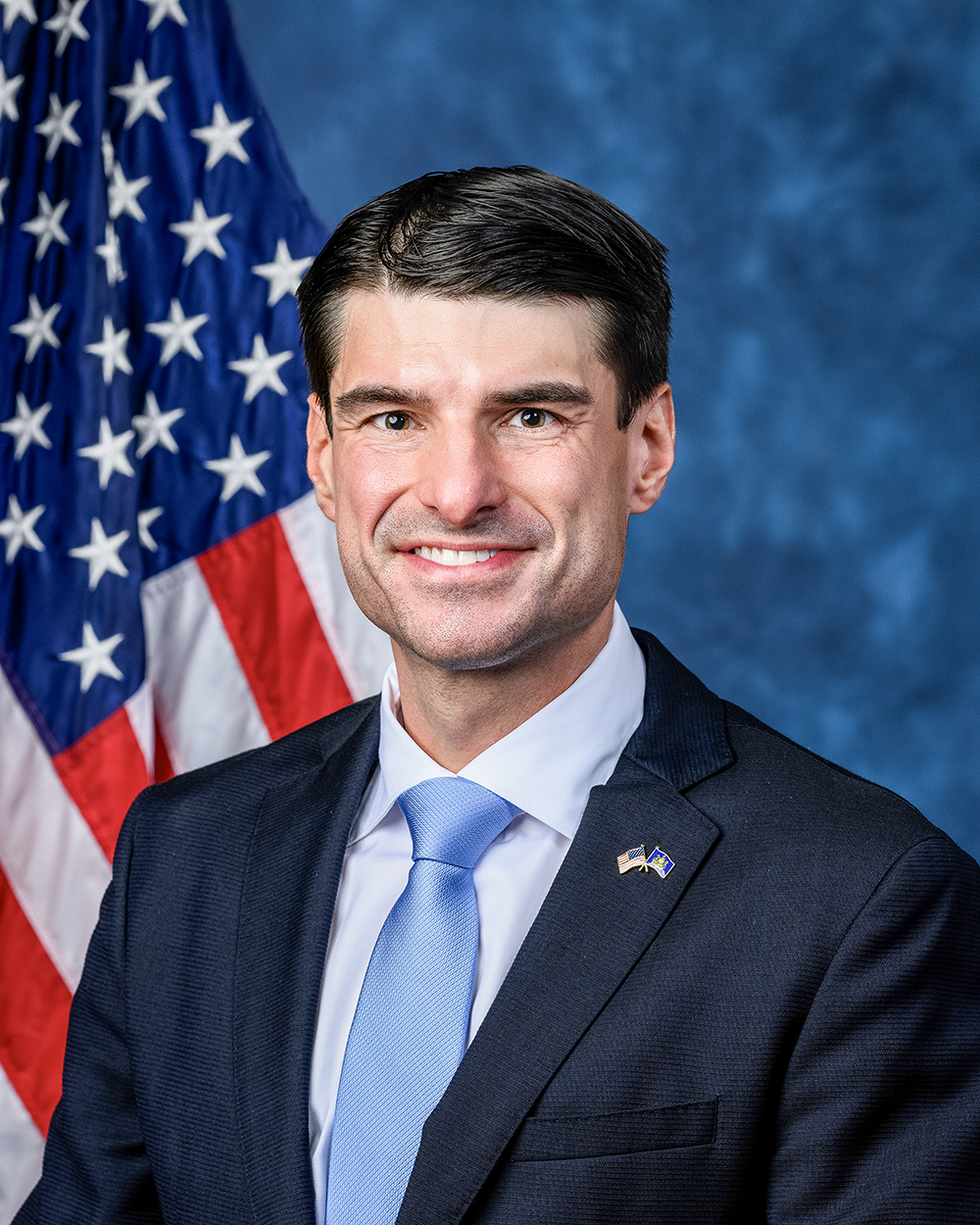
Rep. Robert P. Bresnahan, Jr.
Sponsored bills
Enhanced Iran Sanctions Act of 2025 This bill imposes sanctions on certain foreign persons (individuals and entities) that are involved in Iran's petroleum sector as well as certain associated persons. The bill also requires or authorizes actions to facilitate the enforcement of sanctions on Iran. Specifically, the bill requires the President to impose visa- and property-blocking sanctions on any foreign person that, after the bill's enactment, knowingly engages in any transaction related to the processing, export, or sale of oil, condensates, gas, liquefied natural gas, or other petrochemical products in whole or in part from Iran. The President must also impose sanctions on certain foreign persons associated with a sanctioned individual or entity. For example, the President must sanction the subsidiaries and corporate officers of a sanctioned business. The bill provides certain exceptions to these sanctions, including specifying that sanctions do not apply to the importation of goods or to conducting or facilitating transactions for humanitarian assistance. The Department of State must establish an interagency working group that shall seek to establish a multilateral contact group to coordinate international efforts to enforce sanctions on Iran. The bill expands the State Department rewards program to authorize a reward payment to any individual who furnishes information leading to the identification of a person (1) subject to sanctions under this bill, or (2) that has attempted or is attempting to evade sanctions under this bill.
Maddy summaryThis bill, known as the State Veterans Homes Inspection Simplification Act, would allow certain State Veterans Homes that are already certified by the Department of Veterans Affairs to be automatically considered compliant with Medicare and Medicaid nursing home standards. Under this proposal, facilities meeting specific VA inspection and certification requirements would not need to undergo separate reviews by the Centers for Medicare & Medicaid Services, reducing duplication of effort. The legislation maintains oversight by requiring the VA to submit its inspection standards for review every two years, allowing CMS to conduct targeted surveys or complaints investigations, and mandating public reporting of inspection data on the Nursing Home Care Compare website. A Government Accountability Office report would be required three years after enactment to evaluate the bill's impact on survey efficiency, enforcement outcomes, and resident care quality.
Maddy summaryThis bill increases the annual stipend for books, supplies, and educational materials under the Post-9/11 GI Bill from $1,000 to $1,400, effective immediately. It also establishes a new automatic annual adjustment starting in fiscal year 2026, tying stipend increases to inflation using the Consumer Price Index (CPI). Specifically, the stipend will rise each year by the percentage difference between the current CPI and the previous year’s CPI. This directly affects veterans using the Post-9/11 Educational Assistance Program for their education expenses.
Maddy summaryThe Safe Skies Act of 2026 requires the Transportation Secretary to extend existing flightcrew rest and duty rules - currently applied to passenger flights - to all-cargo air carrier operations within 30 days of the bill's enactment. This directly affects flight crews and cargo airlines, ensuring they follow the same rest and duty time limits as those serving passengers. The bill modifies a 2012 FAA rule (77 Fed. Reg. 330) to apply universally, bypassing standard rulemaking procedures (5 U.S.C. § 553) for this specific adjustment. It makes no new policy changes beyond applying current passenger flight rules to cargo operations.
Maddy summaryThis bill designates the U.S. Postal Service facility at 4431 Main Street in Philadelphia, Pennsylvania, as the "Dr. Constance 'Connie' E. Clayton Post Office." It updates all official federal references to the location to reflect this new name, honoring Dr. Constance E. Clayton's contributions. The bill affects only the postal facility's official designation and has no substantive policy changes.
This bill designates the facility of the United States Postal Service located at 10 East Main Street in Mahaffey, Pennsylvania, as the "Robert Allen Bishop, Sr. Post Office Building".
Maddy summaryThis bill, known as the BASICS Act, creates a new $5.5 billion federal funding program over five years to repair and replace bridges in poor condition across the United States. The program prioritizes projects based on the cost of bridge rehabilitation in each state and guarantees a minimum funding allocation of $45 million per state annually. It also expands funding for regional transportation planning in rural areas and increases flexibility for local governments to select and manage transportation projects through enhanced consultation requirements. Additionally, the legislation removes local matching fund requirements for metropolitan planning activities and allows 100 percent federal funding for off-system bridge projects owned by local governments or tribes.
Maddy summaryHR 7391, the Community Health Center Drug Pricing Protection Act, requires that Federally Qualified Health Centers (FQHCs) pay the discounted 340B ceiling price for covered drugs **at the time of purchase**, not later through rebates or adjustments. This directly affects FQHCs, which rely on 340B discounts to provide affordable care to low-income patients. The bill amends the Public Health Service Act to prohibit manufacturers from entering agreements where FQHCs initially pay more than the ceiling price, with later reimbursement. It takes effect immediately upon enactment for all new drug purchases and applies to existing agreements starting then.
Maddy summaryThis bill prevents state or local governments from banning or restricting energy connections (like installation, modification, or access) based on the type or source of energy, such as electricity, natural gas, or renewable fuels. It directly affects consumers choosing energy providers and energy companies seeking to offer services. The key provision prohibits local laws, regulations, or policies that limit energy services sold in interstate commerce, covering all energy types listed in the bill’s definitions. It does not create new programs but limits regulatory authority at the state or local level. The law aims to ensure open access to diverse energy sources without source-based restrictions.