

Maddy summaryHRES 443 designates May 2025 as "National Electrical Safety Month" to raise public awareness about electrical hazards. The resolution highlights statistics showing electrical failures cause over 500 deaths, 1,400 injuries, and $1.3 billion in property damage annually, urging citizens to adopt safety practices like installing smoke alarms and using safety devices (e.g., ground-fault interrupters). It encourages individuals to inspect homes/workplaces for hazards, promote safety habits, and supports the Electrical Safety Foundation’s educational efforts. The resolution is symbolic - it does not create new laws but asks the President to issue a proclamation encouraging public observance through safety programs.
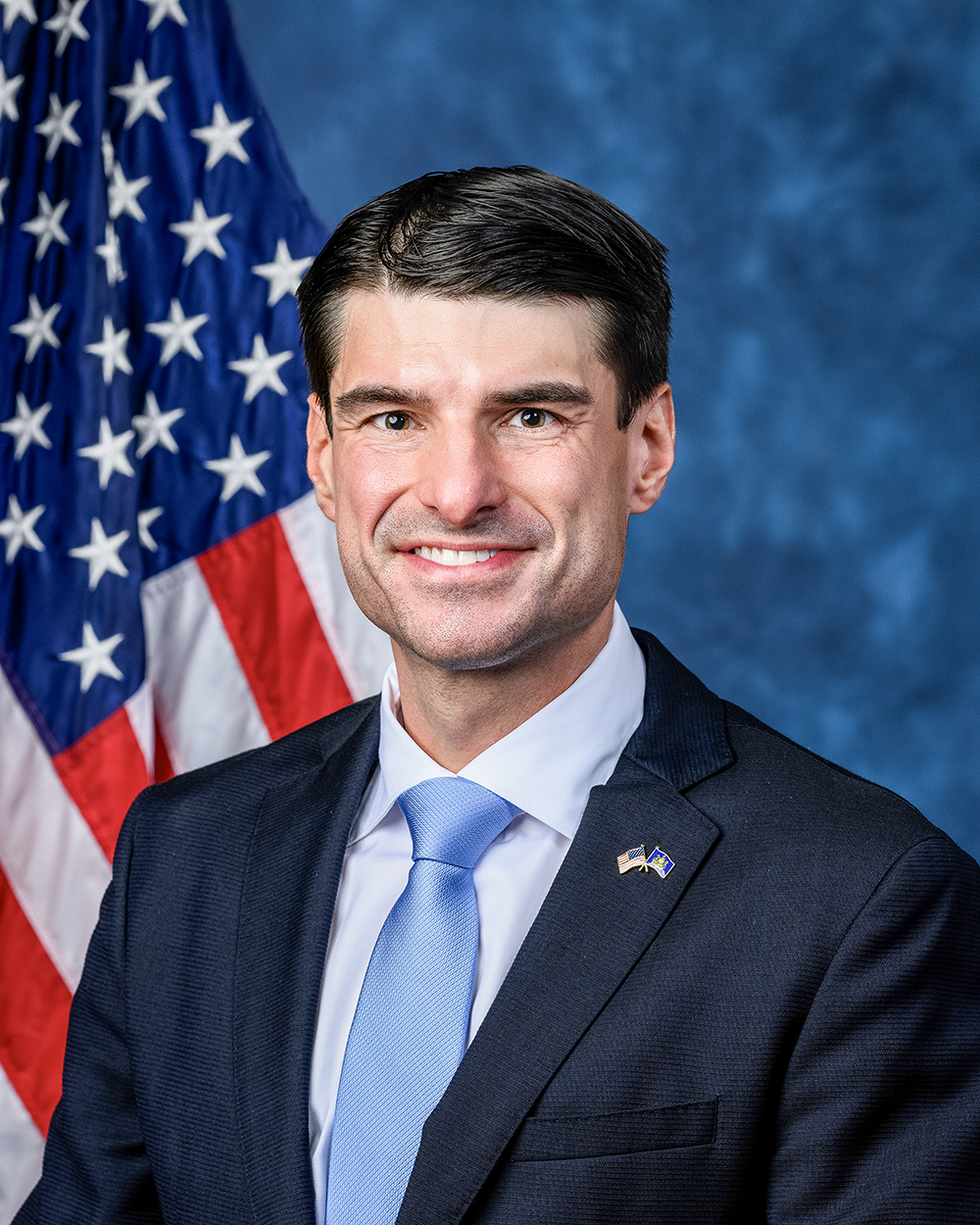
Rep. Robert P. Bresnahan, Jr.
Sponsored bills
Maddy summaryHRES 447 is a non-binding House resolution condemning antisemitism and honoring Yaron Lischinsky and Sarah Milgrim, two Israeli Embassy employees killed during a peace-focused panel discussion in 2023. The resolution specifically condemns all forms of antisemitism - including violence, vandalism, and online harassment - and remembers the victims, who were killed by a far-left activist affiliated with the Party for Socialism and Liberation. It calls for enforcing existing hate crime laws and protecting religious freedom, without creating new legislation. This resolution symbolically supports Jewish communities and victims of antisemitic violence but does not alter legal requirements.
Maddy summaryThe DEFIANCE Act of 2025 creates a new civil legal remedy for victims of non-consensual intimate digital forgeries (synthetic images or videos manipulating real people into sexual contexts without consent). It allows affected individuals to sue perpetrators in federal court for damages up to $250,000, injunctions to remove content, and privacy protections like pseudonyms. The bill specifically covers cases where forgeries are created or shared with intent to disclose, including scenarios involving sexual assault or harassment. It expands existing federal protections under 15 U.S.C. 6851 to address digital forgeries while ensuring state laws remain in effect.
Maddy summaryHR 3505, the Barriers to Suicide Act of 2025, creates a federal grant program administered by the Department of Transportation to fund the installation of proven safety barriers and nets on specific high-risk structures. The program provides competitive grants (up to 80% federal funding) to states, local governments, or other eligible entities for projects installing suicide deterrents on bridges, buildings, parking garages, highway-rail crossings, or rail stations. It prioritizes areas with high suicide rates and mandates a study by the Comptroller General to evaluate effective deterrents for non-bridge structures and their costs, with a report due within one year of enactment. The bill authorizes $10 million annually from 2026-2030 for this initiative.
Maddy summaryHR 1286, the Simplifying Forms for Veterans Claims Act, requires the Department of Veterans Affairs (VA) to simplify forms sent to veterans filing claims. Within 30 days of enactment, the VA must hire an independent research center (FFRDC) to assess these forms, working with veterans' groups, legal experts, and the VA itself. The VA must then report the assessment to Congress within 90 days and implement approved changes - like clearer language or better organization - within two years. This directly affects veterans navigating VA claims by aiming to reduce confusion in the application process.
Maddy summaryHR 3503, the Kidney Donation Anti-Discrimination Act, prohibits life insurance companies from discriminating against living kidney donors in policy terms (such as price, coverage, or cancellation) solely based on their donation status. It requires insurers to show evidence of actual health risks unrelated to the donation before charging higher premiums or denying coverage. Individuals harmed by such discrimination can sue insurers in federal court for damages and legal fees. The law also ensures states can offer stronger protections to living kidney donors than this federal standard provides.
Maddy summaryHR 3459, the Empty Lots to Housing Act, allows local transportation agencies to transfer unused government-owned land (acquired with federal transportation funds) to develop affordable housing near transit. The bill requires that 40% of units built on this land must be affordable for households earning ≤60% of the area median income, with at least 20% reserved for those earning ≤30% of the median income. Transfers to third parties are permitted only if local entities can't take the land and the deal offers greater public benefit than government sale. This directly affects low- and moderate-income families by creating new affordable housing opportunities on previously underutilized public land.
Maddy summaryHR 3438, the Fair Wage Act of 2025, establishes a regional minimum wage tied to cost of living, directly affecting most covered workers across the U.S. The bill sets the minimum wage for each metropolitan area or nonmetropolitan region as a percentage (starting at 40%) of the national average hourly wage for private non-supervisory workers, adjusted by regional price parity (ranging from 87.5% to 115% based on local costs). It phases in higher percentages over time (45% after 1 year, 50% after 5 years) and requires tipped employees to receive cash wages equal to 30% of this regional minimum, while setting a new minimum for workers aged 18 or younger at two-thirds of the regional rate. The law takes effect three months after enactment.
Maddy summaryThe Traffic Safety Enhancement Act of 2025 amends the Surface Transportation Block Grant Program to allow states to use federal funds for constructing roundabouts. This change directly affects state transportation departments and local agencies administering federal highway grants. The key provision adds "Construction of roundabouts" as an eligible activity under the program, expanding existing funding options without increasing overall resources. It enables states to allocate block grant funds toward roundabout projects as part of their transportation infrastructure planning.
Maddy summaryHRES 412 is a non-binding House resolution congratulating Pope Leo XIV on his historic election as the 267th pope and the first American-born pope in the Catholic Church's 2,000-year history. The resolution recognizes his Chicago upbringing, missionary work in Peru, and commitment to humility and pastoral care, highlighting his significance for American Catholics. As a symbolic gesture with no legal effect, it expresses the House's support for his leadership without altering any policies or affecting any stakeholders.