

Maddy summaryThis bill allows workers aged 50 or older to directly roll over employer retirement contributions (from 401(k) plans) into an individual retirement annuity without triggering immediate taxes or penalties. It requires retirement plan administrators to provide clear, plain-language written explanations about rollover rules, including a 30-day review period, tax implications (like the 10% early withdrawal penalty), and what types of distributions cannot be rolled over (such as required minimum distributions). The rules apply to taxable years starting after December 31, 2025, and aim to simplify the process for older workers changing jobs or managing retirement funds. It directly affects workers aged 50+ and retirement plan administrators who must comply with the new disclosure standards.
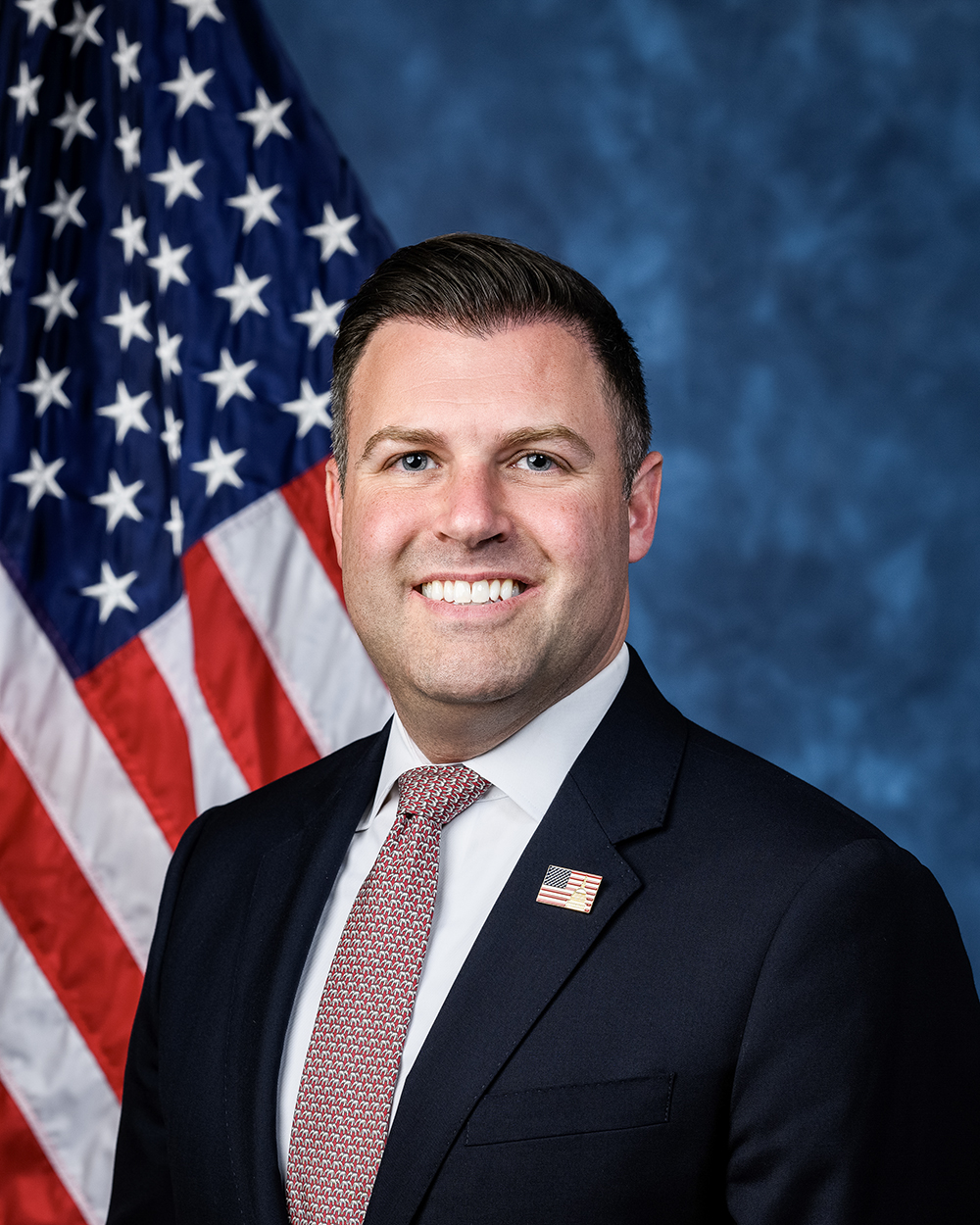
Rep. Ryan Mackenzie
Sponsored bills
Maddy summaryThe Improving Veteran Access to Care Act (HR 6038) requires the Department of Veterans Affairs (VA) to create and implement a plan to modernize health care appointment scheduling for veterans. The plan must include a new scheduling system allowing veterans to view and book appointments online (for primary, mental health, and specialty care), a self-service platform for booking or requesting referrals, and phone-based scheduling assistance. The VA must submit the plan to Congress within one year of enactment, fully implement it within two years, and provide annual progress reports detailing costs, metrics, and challenges. This bill directly affects veterans seeking VA health care and VA staff managing scheduling operations, focusing on concrete improvements to access and efficiency.
Maddy summaryHR 4070, the Tren de Aragua Border Security Threat Assessment Act, requires the Secretary of Homeland Security to conduct a detailed assessment of the criminal threats posed by the Venezuelan gang Tren de Aragua to U.S. borders within 180 days of the bill's enactment. The assessment must cover the group's origins, methods, funding, and specific threats to the southwest, northern, and maritime borders, followed by a strategic plan within one year outlining how federal, state, and local agencies will counter these threats through information sharing, interdiction, and preventing the group's expansion in the U.S. The bill directly affects DHS, intelligence agencies, and border law enforcement partners by mandating these reports and planning processes.
Maddy summaryHR 6137 would create a new separate job code for "direct support professionals" (DSPs) within the federal Standard Occupational Classification system. This change aims to better recognize DSPs - who provide daily support for people with intellectual and developmental disabilities (like helping with daily living, community participation, and goal-setting) - as distinct from other roles like home health aides. The bill requires the Office of Management and Budget to consider this revision during the next system update, without authorizing new funding. It addresses data gaps caused by high turnover rates (39% nationally) in DSP hiring and retention.
Maddy summaryThis bill establishes a pilot program requiring the Secretary of Defense to partner with certified nonprofit diaper banks to provide free diapers and diapering supplies to military families in need. Covered diaper banks must be nonprofit members of the National Diaper Bank Network with at least five years of experience distributing diapers at no cost. The program will connect these banks directly with military installations to address diaper access gaps, with the National Diaper Bank Network providing technical support and evaluating the pilot's effectiveness. It directly affects military families facing financial barriers to basic necessities like diapers, creating a new federal partnership mechanism for support.
Maddy summaryHR 6123, the "Promoting Diplomacy with Australia Act," requires the U.S. Assistant Secretary of State for East Asia and Pacific Affairs to submit a report within 30 days of enactment on the capacity of the U.S. diplomatic mission in Australia. The report must detail current staffing and operations, planned growth for 2025-2030, interagency expansion, necessary support systems, resource gaps affecting U.S. objectives (including the Australia-U.S. alliance and AUKUS partnership), and recommendations for additional facilities, staffing, and funding. This procedural bill mandates a comprehensive analysis to address potential shortfalls but does not enact new policy or funding.
Maddy summaryThe NEST Act (HR 6096) requires the federal government to provide newborn supply kits to new mothers, focusing on low-income families and communities with high maternal health risks. These kits include essential items like diapers, postpartum pads, breastfeeding supplies, blood pressure monitors, and health information resources. Funds for the kits come from a $5 million annual set-aside in Social Security Act funding, distributed through grants to community health centers, tribal organizations, and hospitals. Priority is given to rural areas, maternity care deserts, and mothers earning below 185% of the poverty line. The program mandates annual reporting on distribution demographics and health outcomes to Congress.
Maddy summaryHR 2212 establishes a new DHS Intelligence Rotational Assignment Program for intelligence analysts. The bill requires the DHS Secretary to create this program within one year, allowing analysts in DHS intelligence components and the Secret Service's Office of Strategic Intelligence and Information to rotate between positions. This aims to build broader expertise by enabling analysts to gain experience across different DHS intelligence roles. The program must follow coordination requirements already set for DHS's existing rotation program. It directly affects DHS intelligence analysts and Secret Service strategic intelligence personnel.
Maddy summaryHR 6018, the Bringing Assistance for Rural Needs During Shutdowns Act, ensures that Farm Services Agency (FSA) services remain operational during government shutdowns. This means FSA employees - providing critical support like farm loans, disaster assistance, and crop insurance - would continue working without furloughs. The bill directly affects rural farmers and communities relying on these services, preventing disruptions to essential agricultural aid. By classifying FSA services as "essential" under federal law (specifically, as covering "safety of human life or protection of property"), it guarantees uninterrupted access to these programs during shutdowns.
Maddy summaryHR 5934, the Major Thomas D. Howie Congressional Gold Medal Act, authorizes the posthumous award of a Congressional Gold Medal to Major Thomas D. Howie for his bravery and service during the Battle of Normandy in World War II. The medal, to be struck by the U.S. Mint, will be presented to his nephew, Tom Howie, or his next of kin, and then displayed at The Citadel Museum. This bill is purely commemorative and does not create new legal requirements or funding obligations. It honors Major Howie’s leadership in capturing St. Lo, France - a pivotal moment in liberating Western Europe from Nazi occupation - based on his documented sacrifice during the 1944 campaign.