Maddy summaryHR 1461 designates the U.S. Postal Service facility at 521 Thorn Street in Sewickley, Pennsylvania, as the "Mary Elizabeth 'Bettie' Cole Post Office Building." The bill updates all official references to this specific post office location to reflect the new name. This is a ceremonial naming resolution honoring Mary Elizabeth "Bettie" Cole, with no new policies, funding, or operational changes to the postal facility.
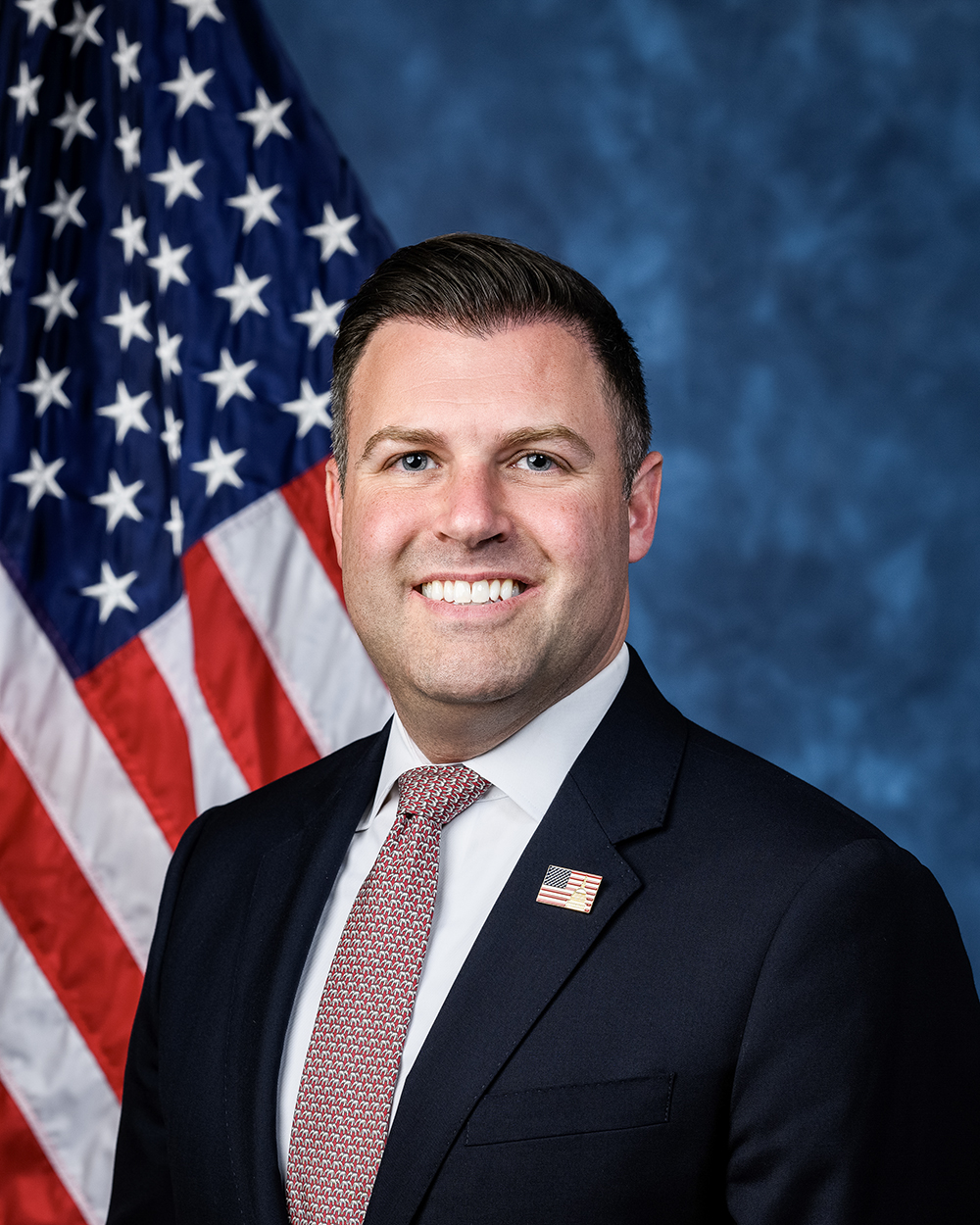
Rep. Ryan Mackenzie
Sponsored bills
Maddy summaryThe Bipartisan Health Insurance Affordability Act extends and modifies premium tax credit rules to make health insurance more affordable for people with household incomes up to 700% of the poverty line, with specific provisions for different income tiers. The bill requires pharmacy benefit managers to pass through 100% of rebates to health plans, establishes transparency requirements for drug pricing, and creates mechanisms to prevent fraud in health insurance exchanges. It also extends the annual open enrollment period for 2026 and allows qualified Exchange enrollees to establish health savings accounts, with options to prepay annual premiums or direct part of their premium tax credit into a health savings account.
Maddy summaryHRES 930 is a symbolic resolution designating December 8, 2025, as "Jimmy Lai Day" to honor Jimmy Lai's advocacy for free press, religious freedom, and democracy in Hong Kong. It calls on the People's Republic of China and Hong Kong authorities to release Jimmy Lai and other Hong Kong prodemocracy advocates detained under Hong Kong's National Security Law. The resolution does not create new laws or policies but expresses congressional support for Lai's work and condemns the imprisonment of those advocating for Hong Kong's freedoms. It directly affects U.S. diplomatic messaging toward China, not Hong Kong's legal system or residents.
Maddy summaryHRES 931 is a symbolic resolution expressing congressional support for designating December 4, 2025, as "National Scam Prevention Day." It does not create new laws or policies but formally acknowledges the significant financial and psychological harm caused by scams, citing reported losses of $16.6 billion in 2024 and estimated total losses of $158.3 billion when accounting for underreporting. The resolution highlights concerns about international scam operations and their links to criminal organizations, urging a coordinated government and industry approach to scam awareness. It directly affects no specific group but aims to raise public awareness about scam prevention.
Maddy summaryThe STOP Scams Against Seniors Act directs federal Byrne funds to create elder justice task forces focused on preventing and investigating financial scams targeting seniors aged 60 and older. These task forces must coordinate with local law enforcement, prosecutors, and federal agencies like the FBI and FTC to address fraud. Grantees must report detailed data on cases opened, resolved, victims supported, scam types, and signs of organized crime, with the Attorney General submitting an annual summary to Congress. The bill directly affects seniors vulnerable to financial exploitation and the agencies implementing these task forces.
Maddy summaryThis bill expands eligibility for workers' compensation medical care under the Federal Employees' Compensation Act by adding nurse practitioners and physician assistants as covered providers. It directly affects injured federal workers who can now receive care from these professionals within their state-authorized scope of practice. Key provisions redefine "other eligible provider" in the law and update related sections to replace "physician" with "physician or other eligible provider" throughout the statute. The bill requires the Secretary of Labor to issue final regulations within six months of enactment to implement these changes.
Maddy summaryHR 1049 requires public schools receiving federal education funds to disclose information about foreign-funded activities to parents. Schools must provide parents with access to classroom materials or teacher training paid for by foreign governments or entities, and disclose details about foreign donations, contracts, or staff paid with foreign funds upon written request. Parents can request this information within 30 days, and schools must post annual summaries online. The bill aims to increase transparency about foreign influence in K-12 education, directly affecting parents of students in participating schools.
Maddy summaryThis bill establishes a new interagency Task Force to dismantle foreign scam operations targeting Americans, particularly through "pig butchering" scams in Southeast Asia. The Task Force, chaired by the Secretary of State, will coordinate efforts across multiple agencies to shut down scam centers, impose sanctions on perpetrators, and support victims of trafficking. It requires a detailed strategy within 180 days and annual reports to Congress on progress, including sanctions imposed and funds recovered. The bill authorizes $30 million for these efforts in fiscal years 2026-2027, focusing on countries like Cambodia, Laos, and Burma where scam centers operate with forced labor.
Maddy summaryHRES 920 is a ceremonial resolution celebrating the 50th anniversary of the Individuals with Disabilities Education Act (IDEA) on November 29, 2025. It recognizes IDEA’s historical impact - establishing the right to free, appropriate public education in the least restrictive environment for children with disabilities - and notes how it transformed access to education after over 1 million children were previously excluded from schools. The resolution does not create new policy or funding; it solely commemorates IDEA’s legacy, honors the students and families it has served, and acknowledges educators and advocates who advanced its implementation. This is a symbolic gesture with no direct effect on current law or services.
Give Kids a Chance Act of 2025 This bill expands the Food and Drug Administration’s (FDA’s) authority with respect to research on rare pediatric diseases, including by permitting the FDA to take enforcement action against drug sponsors that fail to satisfy pediatric study requirements and by reauthorizing programs that support pediatric research. Specifically, the bill modifies requirements relating to molecularly targeted pediatric cancer investigations to permit research on new drugs in combination with active ingredients that have already been approved, provided certain conditions are met; permits the FDA to take enforcement action against drug sponsors that fail to comply with pediatric study requirements, if such sponsors demonstrated a lack of due diligence in satisfying the requirement; renews the FDA’s authority to award priority review vouchers to sponsors of new products intended to treat rare pediatric diseases through September 30, 2029; and reauthorizes through FY2027 certain funding for the National Institutes of Health to support priority pediatric research. The bill also provides statutory authority for the FDA’s interpretation of the orphan drug exclusivity period. The bill specifies, consistent with FDA regulations, that the seven-year market exclusivity period for drugs for rare diseases or conditions (i.e., orphan drugs) prohibits the approval of the same drug for the same approved use or indication with respect to the disease or condition. (In Catalyst Pharmaceuticals, Inc. v. Becerra , a court rejected the FDA’s interpretation and held that orphan drug exclusivity extends to all uses or indications for the disease or condition.)