

Maddy summaryThis bill, titled the Protecting Human Rights and Public Health in Foreign Assistance Act, aims to cancel specific regulations issued by the Department of State. It directly affects the federal government by prohibiting any department or agency from enforcing, implementing, or proposing rules related to protecting life, combating discriminatory equity ideology, and combating gender ideology in foreign aid programs. The legislation treats these cancelled rules as if they never existed, effectively nullifying their impact on future foreign assistance policies.
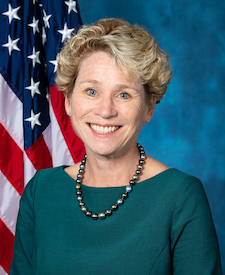
Rep. Chrissy Houlahan
Sponsored bills
Maddy summaryThe Access to Donor Milk Act of 2026 expands federal support for nonprofit organizations that collect, test, and distribute pasteurized donor human milk. It amends existing child nutrition laws to allow state agencies to use funds for storing unprocessed milk donations and transferring them to these nonprofit banks. Additionally, the bill authorizes competitive grants to help these banks increase their capacity during declared disasters or public health emergencies. The legislation also requires the Department of Health and Human Services to launch a public awareness campaign educating parents and medical professionals about the benefits and safety of donor milk. Finally, it mandates that the Secretary of Health and Human Services convene a public meeting and issue draft safety standards for the collection and processing of donor human milk within 18 months of enactment.
Maddy summaryHR 6624, the Biological Intellectual Property Protection Act of 2025, requires export licenses for digital files representing human- or AI-designed synthetic DNA or RNA sequences when sent to foreign entities linked to countries designated as national security concerns (like China). It directly affects biotechnology companies and researchers exporting such digital sequence data, mandating licenses for these specific exports within one year of the law's enactment. The key mechanism is a new license requirement under export controls, targeting digital files that could reveal sensitive biotechnology research. This policy change aims to prevent foreign adversaries from accessing U.S. biotech intellectual property through synthetic biology data exports.
Maddy summaryHR 5543, the Baltic Security Assessment Act of 2025, requires the U.S. State and Defense Departments to submit a report within 180 days of enactment. The report will assess emerging military, cyber, hybrid, and political threats to Estonia, Latvia, and Lithuania, including the roles of Russia, Belarus, China, Iran, and other actors. It will also evaluate U.S. and NATO military presence in the region, opportunities for defense cooperation, and recommendations to strengthen deterrence, cybersecurity, and democratic resilience in the Baltic countries. This bill directly affects U.S. foreign policy and defense planning regarding the Baltics, but does not create new programs or funding.
Maddy summaryThe Momnibus Act is a comprehensive legislative bill designed to improve maternal health outcomes across the United States by addressing social determinants of health, expanding access to care, and reducing disparities among pregnant and postpartum individuals. The bill establishes a federal task force to coordinate efforts between agencies and stakeholders to eliminate preventable maternal mortality and severe morbidity, while providing sustained funding to community-based organizations to address nonclinical factors like housing, nutrition, and transportation. Key provisions include extending WIC eligibility to 24 months postpartum, creating grants to grow and diversify the perinatal workforce, implementing respectful maternity care training for all healthcare employees, and establishing compliance programs to track and address bias in maternity care settings. The legislation also includes specific measures for incarcerated mothers, veterans, and vulnerable populations affected by climate change, alongside funding for maternal mental health services and technology-enabled care models to expand access in underserved areas.
Maddy summaryHouse Resolution 1184 is a commemorative measure that recognizes and honors National Mushroom Day, observed annually on June 1st. It also acknowledges the significant contributions of Chester and Berks Counties in Pennsylvania to the national mushroom industry and highlights the nutritional benefits of mushrooms as part of a healthy diet.
Maddy summaryThe CERTAIN Act aims to expedite federal permitting and environmental reviews for infrastructure projects by imposing strict timelines on federal agencies. It limits an agency's ability to revoke existing project authorizations unless specific conditions are met, such as a court order or immediate harm. The bill mandates deadlines for agencies to process applications, determine completeness, and conduct environmental reviews, with routine authorizations automatically approved if agencies miss their deadlines.
Maddy summaryHR 8295, the Protecting Families from Fertility Fraud Act of 2026, creates a new federal crime for knowingly misrepresenting the nature or source of DNA used in assisted reproductive technology or assisted insemination. This directly affects fertility clinics, practitioners, and patients undergoing such procedures. Individuals found guilty could face up to 10 years in prison, a fine, or both. The bill defines federal jurisdiction for these offenses, primarily involving interstate commerce, and extends the statute of limitations to 10 years after identification through DNA testing. It also adds this new crime to the list of "racketeering activities" under federal law.
Maddy summaryThe Supporting VA Families Act grants unpaid parental leave to Department of Veterans Affairs employees. This provision allows employees to take four weeks of unpaid leave within a 12-month period for the birth of a child or for adoption and foster care placements. The leave is designed to supplement existing leave policies rather than replace them, ensuring employees can balance family needs with their work responsibilities. The act defines eligible employees and children according to existing federal definitions found in Title 5 of the United States Code.
Maddy summaryThe ALERT Act (HR 7613) requires the Federal Aviation Administration to improve aviation safety through several key measures. It mandates the evaluation and potential implementation of enhanced collision avoidance systems (ACAS-Xa) for commercial aircraft and ACAS-Xr for rotorcraft, with specific deadlines for rulemaking and installation. The bill establishes committees to develop recommendations for safety technology requirements, requires safety risk assessments for air traffic controllers, and addresses operational procedures at high-traffic airports like Ronald Reagan Washington National. These provisions affect air carriers, air traffic controllers, rotorcraft operators, and Department of Defense aircraft operations. The act aims to enhance situational awareness and reduce midair collision risks through technology upgrades and improved safety protocols.