This resolution supports the goals and ideals of National Engineers Week to increase understanding of, and interest in, engineering and technology careers. The resolution recognizes that engineering education is a critical component of STEM (science, technology, engineering, and mathematics) education.
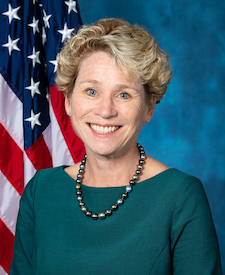
Rep. Chrissy Houlahan
Sponsored bills
This bill provides for the presentation of a Congressional Gold Medal to the Freedom Riders, in recognition of their contribution to civil rights by fighting for equality in interstate travel.
Juneteenth National Independence Day Act This bill establishes Juneteenth Independence Day as a federal holiday.
Protecting LGBTQ Youth Act This bill expands programs that prevent and treat child abuse and neglect to address issues facing lesbian, gay, bisexual, and transgender youth. Specifically, these programs include (1) research and reporting requirements, (2) providing technical assistance, (3) grants to states and local agencies to train child-welfare personnel, and (4) community-based prevention-service grants, among others.
National Apprenticeship Act of 2021 This bill provides statutory authority for the registered apprenticeship program within the Department of Labor and for related grant programs. The bill provides statutory authority for the Office of Apprenticeship (OA) within Labor. The OA's responsibilities include (1) supporting the development of apprenticeship models; (2) recognizing qualified state apprenticeship agencies, and operating apprenticeship offices in states without a recognized agency; (3) providing technical assistance to state agencies; (4) periodically updating requirements for each occupation in the apprenticeship program and determining whether to approve new occupations for the program; (5) promoting greater diversity in the national apprenticeship system; and (6) awarding grants provided by this bill. The bill also establishes in statute the responsibilities of state apprenticeship agencies and offices, including (1) providing technical assistance to stakeholders, (2) resolving complaints, (3) establishing state performance goals, and (4) including in its written plan a description of how its apprenticeship programs align with the skills needs of the state's employers. The OA shall enter into an agreement with the Department of Education to promote the integration and alignment of apprenticeship programs with secondary, postsecondary, and adult education. The OA shall award grants, contracts, or cooperative agreements to eligible entities to (1) expand national apprenticeship system programs, including by expanding pre-apprenticeship and youth apprenticeship programs; (2) encourage employer participation; and (3) strengthen alignment between the apprenticeship system and education providers. The bill provides statutory authority for criteria for various programs, including (1) quality standards for apprenticeships, (2) requirements for apprenticeship agreements between a program sponsor and an apprentice, and (3) acceptable uses for grant funds awarded by this bill. The bill also provides statutory authority for the National Advisory Committee on Apprenticeships. The committee's duties shall include advising the OA on matters relating to this bill and providing recommendations on topics such as increasing the participation of populations not traditionally involved in the national apprenticeship system. Labor shall engage an independent entity to conduct research on ways to improve the management and effectiveness of national apprenticeship system programs.

American Innovation and R&D Competitiveness Act of 2021 This bill eliminates the five-year amortization requirement for research and experimental expenditures scheduled to begin in 2022, thus allowing continued expensing of such expenditures in the taxable years in which they are incurred.
Medicare-X Choice Act of 20 21 This bill establishes and funds the Medicare Exchange health plan, which allows individuals who are not otherwise eligible for Medicare to enroll in a government-administered health insurance plan. The Centers for Medicare & Medicaid Services (CMS) must offer such plan in certain individual health insurance exchanges beginning plan year 2022 and offer it in all individual health insurance exchanges beginning plan year 2025. CMS must offer the plan in the small group market in all geographic areas for plan year 2025. The plan must cover primary care services without cost sharing and meet the same requirements, including essential health benefits, as existing health insurance exchange plans. Unless they opt out, health care providers enrolled under Medicare or under a state Medicaid plan must participate in the plan and are reimbursed at Medicare rates. The bill establishes a grants program for community organizations, educational institutions, and health agencies to create service partnerships and establish interactive data systems for health care providers. Additionally, the bill expands the premium tax credit available for plans purchased through an exchange and eliminates the restriction on the Department of Health and Human Services negotiating prescription drug prices for Medicare.
Stop Supporting Foreign Interference in Our Democracy Act This bill provides statutory authority for the prohibition against a person knowingly providing substantial assistance regarding illegal political spending by a foreign national.
ABLE Age Adjustment Act This bill increases from 26 to 46 the age threshold for tax-favored ABLE (Achieving a Better Life Experience) accounts. (ABLE accounts are designed to enable individuals with disabilities to save for and pay for disability-related expenses. To establish an account, an individual must have a qualifying impairment that began before the individual attained the age threshold.)
Next Generation Entrepreneurship Corps Act This bill establishes the Next Generation Entrepreneurship Corps Program to promote entrepreneurship in the most distressed regions of the United States, including those regions affected by COVID-19 (i.e., coronavirus disease 2019), by awarding participating fellows a two-year stipend to start and grow a new small business. Fellows will receive (1) a $120,000, two-year stipend for living and basic startup expenses; (2) health care; and (3) interest-free federal student loan deferral for two years. Further, fellows shall receive mentorship from the Service Corps of Retired Executives and be matched with a full range of lenders, investors, and insurers. The bill also establishes a fund in the Department of the Treasury from which the SBA may provide loans for qualified investors to support a small business owned and operated under the program by a fellow.