

Maddy summaryThis bill, known as the Direct File Act of 2026, would establish a government-run online system allowing taxpayers to prepare and file their individual income tax returns for free. The legislation prohibits the Treasury Department from entering into agreements that restrict its ability to provide tax preparation or filing services, and it voids any existing contracts with such restrictions. The program would use IRS data to simplify filing, include customer support, be available in multiple languages, and allow users to file even if they are not required to. It also enables taxpayers in participating states to file state and local returns alongside their federal returns, with funding provided to states that meet certain standards.
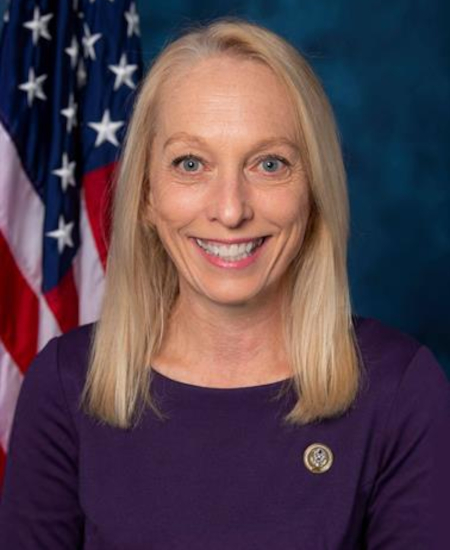
Rep. Mary Gay Scanlon
Sponsored bills
Maddy summaryThe DISCLOSE Act of 2026 aims to increase transparency in election spending and prevent foreign influence. It expands the ban on foreign money to cover federal, state, and local elections, including ballot initiatives and judicial nominations, and criminalizes using corporations to conceal these funds. The bill mandates that organizations spending over $10,000 on campaign-related activities, such as independent expenditures or judicial nomination advocacy, disclose their beneficial owners and top donors. Additionally, it establishes new "Stand By Every Ad" disclaimers for political communications, requiring the highest-ranking official to approve the message and, for certain ads, list their top funders. These provisions directly affect non-candidate organizations, individuals involved in political and judicial nomination spending, and foreign nationals.
Maddy summaryThis bill directs the Secretary of the Interior to restore interpretive and educational exhibits at Independence National Historical Park in Philadelphia to their state as of January 21, 2026. It requires the National Park Service to complete this restoration within 15 days of the bill's enactment. The legislation also prohibits the Secretary from adding, removing, or altering any exhibits at the park without explicit authorization from Congress. The bill defines covered exhibits as interpretive displays, signs, plaques, or other educational materials within the park.
Maddy summaryThe Railway Safety Act of 2026 establishes new safety requirements for trains transporting hazardous materials, including speed limits, enhanced reporting, and stricter tank car standards. It mandates that high-hazard trains carrying flammable liquids or toxic materials be limited to 40 mph in urban areas, while requiring railroads to provide real-time information to emergency responders. The bill also increases penalties for safety violations, requires more frequent inspections of rail equipment, and creates a new emergency response assistance program to help communities affected by hazardous materials incidents. Additionally, it authorizes funding for research into safer tank cars and defect detection systems, and requires the Federal Railroad Administration to improve its safety workforce management.
Maddy summaryHR 7740, the African American History Act of 2026, authorizes $4 million annually for the National Museum of African American History and Culture to develop educational resources and support teaching about African American history. The bill directs the museum to create digital and print materials, provide teacher training, and expand access to curriculum resources for K-12 and college classrooms. It requires annual reports to Congress on fund usage and expires in 2030. This program directly affects educators and students by enhancing classroom materials and professional development on African American history.
Maddy summaryHRES 1080 is a symbolic resolution recognizing and celebrating Black History Month 2026, focusing on its theme "A Century of Black History Commemorations." It highlights historical figures and events central to Black history, including Carter G. Woodson’s founding of Negro History Week (the precursor to Black History Month), Juneteenth, and key moments like the 1865 Charleston commemoration. The resolution emphasizes how Black history commemorations counter historical erasure and affirm Black contributions to U.S. history, referencing figures like Mary McLeod Bethune and W.E.B. Du Bois. As a ceremonial resolution, it has no binding effect but aims to raise awareness of Black achievements through official recognition.
Maddy summaryThis bill prohibits using federal funds - including the Judgment Fund or victim compensation programs - to pay any individual prosecuted for the January 6 Capitol attack, even if later pardoned. It also bans creating new compensation funds for these individuals and stops refunds of court-ordered payments like restitution or fines from being returned to rioters. Any funds that would have been refunded must instead be transferred to the Architect of the Capitol. The law directly affects those convicted or pardoned for involvement in the Capitol attack, blocking taxpayer-funded compensation for their actions.
Maddy summaryThe Ceasefire Compliance Act of 2026 establishes requirements for Israel to comply with the October 10, 2025, ceasefire agreement, including allowing sufficient humanitarian aid into Gaza, halting military operations in Gaza, preventing settler violence, and supporting Palestinian governance. The bill requires the US government to submit quarterly reports certifying Israel's compliance with these conditions, with potential restrictions on US defense sales to Israel if violations occur. If Israel fails to meet the requirements, the US would prohibit the sale, export, or transfer of US-origin defense articles for use in the West Bank or Gaza. The bill also creates an end-use monitoring group to track if US defense articles are being used in those areas, with a 5-year sunset provision. This legislation directly affects US-Israel defense relations and the flow of military assistance.
Maddy summaryThe FAIR Act of 2026 reforms federal civil asset forfeiture laws, directly affecting individuals and businesses whose property is seized by the government and federal law enforcement agencies. The bill eliminates administrative (non-judicial) forfeiture, requiring all federal property forfeitures to proceed through a court, and raises the government's burden of proof to "clear and convincing evidence" for seizing property. It shifts the burden to
Maddy summaryThis bill authorizes a Congressional Gold Medal to honor the Freedom House Ambulance Service, which pioneered the first paramedic-based emergency medical system in the U.S. in the 1960s. It recognizes the service's role in establishing professional pre-hospital care standards, training marginalized residents (including the first women paramedics), and influencing national EMS protocols despite being defunded in 1975. The medal will be presented to the National Museum of African American History and Culture for public display, as specified in the bill. The legislation is purely commemorative, with no new policy or funding changes, focusing on preserving the service's historical significance in medical innovation and civil rights.