

Maddy summaryThe MORE Act (HR 5068) would remove cannabis from the federal list of controlled substances, effectively decriminalizing it at the federal level while establishing a new tax on cannabis products. The bill creates an Opportunity Trust Fund that would distribute tax revenues to support communities disproportionately impacted by cannabis prohibition, including funding for expungement programs, job training, and equitable licensing initiatives for minority business owners. It also includes provisions to prevent discrimination based on cannabis use in federal programs, immigration proceedings, and workplace policies. The bill would require federal courts to expunge non-violent cannabis convictions and establish a process for resentencing individuals currently serving time for such offenses. These provisions aim to address racial disparities in cannabis enforcement and create more equitable opportunities in the legal cannabis industry.
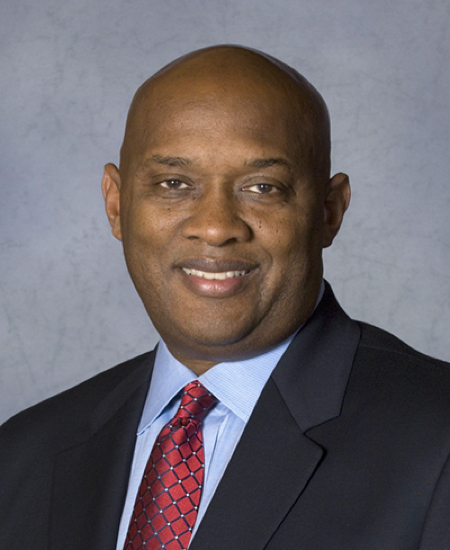
Rep. Dwight Evans
Sponsored bills
Maddy summaryHR 909, the Crime Victims Fund Stabilization Act of 2025, modifies how funds from the False Claims Act are deposited into the Crime Victims Fund. It specifies that from 2025 through 2029, certain False Claims Act proceeds (specifically those for qui tam plaintiff payments and government damage reimbursements) cannot be deposited into the fund. This change directly affects the composition of the Crime Victims Fund by excluding these specific revenue streams during the specified period. The bill does not create new benefits or alter victim services; it only adjusts fund allocation rules for existing False Claims Act revenues.
Maddy summaryThis concurrent resolution (HCONRES 69) commemorates the 15th anniversary of the January 8, 2011, Tucson shooting that killed six people and injured 13, including former Congresswoman Gabby Giffords. It honors the victims, survivors, and Giffords - now a prominent advocate for gun violence prevention - and recognizes her leadership in promoting civility and reducing gun violence. The resolution also commends Tucson residents and first responders for their resilience and reaffirms Congress’s commitment to respectful dialogue and opposing political violence. As a ceremonial resolution, it does not create new laws or policies.
Maddy summaryThis resolution (HRES 969) expresses support for designating the week beginning September 8, 2025, as "National Hispanic-Serving Institutions Week." It recognizes colleges and universities with at least 25% Hispanic undergraduate enrollment (known as Hispanic-Serving Institutions or HSIs) and their role in serving diverse, low-income students. The resolution does not create new policies or funding but encourages public observance through ceremonies and activities to honor HSIs’ contributions to higher education access and economic mobility. It applies symbolically to all 615+ HSIs across the U.S. and Puerto Rico.
Maddy summaryHR 4611 (EACH Act of 2025) requires all federally funded health programs - including Medicaid, Medicare, military health plans, and the Indian Health Service - to cover abortion services without restrictions, repealing the Hyde Amendment's long-standing ban on federal funding for most abortions. This directly affects millions of people enrolled in these programs, particularly low-income women, women of color (including 25% of Black women and 22% of Hispanic women on Medicaid), and young people. The bill mandates coverage in all federally administered health plans and prohibits state or private insurers from restricting abortion coverage in health insurance. It aims to eliminate current federal and state barriers that deny abortion access to people who rely on government health programs.
Maddy summary# Summary of Proposed Tax Code Amendment This document is a comprehensive proposal for tax code amendments, primarily focused on extending, modifying, and creating new tax credits related to clean energy, energy efficiency, and environmental initiatives. The key components include: ## Housing and Residential Credits - **First-Time Homebuyer Tax Credit**: A refundable credit for first-time homebuyers (Section 13001) - **Renter Tax Credit**: A refundable credit for renters paying more than 30% of their adjusted gross income in rent (Section 13002) ## Clean Energy Credits (Sections 21001-21007) - Extended clean energy production credit with a new phase-out date (2032 or when greenhouse gas emissions reach 25% of 2022 levels) - Extended clean electricity investment credit for wind and solar facilities - Restored credit for wind and solar leasing arrangements - Extended clean hydrogen production credit (construction date reverted to 2033) - Extended residential clean energy credit (termination date moved to 2034) - Reinstated special rate for sustainable aviation fuel (35 cents/ gallon for certain facilities) ## Energy Efficiency Credits (Sections 22001-22004) - Restored product identification number requirement for energy-efficient home improvements - Extended new energy efficient home credit (acquisition date moved to 2032) - Repealed termination of new energy efficient commercial buildings deduction - Restored cost recovery for energy property ## Electric Vehicle and Charging Infrastructure Credits (Sections 23001-23005) - Extended previously-owned vehicle credit (acquisition date moved to 2032) - Extended clean vehicle credit (placement in service date moved to 2032) - Extended commercial clean vehicles credit (termination date moved to 2032) - Extended alternative fuel vehicle refueling property credit (termination date moved to 2032) - Created a new credit for electric bicycles (30% of cost, up to $5,000 per bicycle) ## Clean Infrastructure and Resiliency Credits (Sections 24001-24007) - Created qualifying water reuse project credit (30% of qualified investment) - Created recycling property investment credit (30% of qualified investment with phase-out) - Excluded amounts received from State-based catastrophe loss mitigation programs from gross income - Expanded exclusion for certain emergency agricultural assistance - Created credit for disaster mitigation expenditures (30% of qualifying mitigation activities) - Created qualifying electric power transmission line credit (30% of qualified investment) - Created qualifying advanced battery project credit (30% of qualified investment with $3 billion cap) The proposed amendments generally extend existing credits through 2032-2037, with some credits having phase-out schedules and others having specific termination dates. The document also includes numerous conforming amendments to other sections of the tax code to accommodate these changes.
Maddy summaryHR 6818, the Part-Time Worker Bill of Rights Act, would expand rights for part-time workers by reducing eligibility requirements for family and medical leave from 12 months to 90 days of employment under the FMLA. The bill prohibits employers from discriminating against part-time workers based on hours worked, requiring equal treatment for benefits, promotions, and scheduling. It mandates that employers obtain written statements from employees about their desired work hours and prioritize offering available work hours to existing employees before hiring new external workers. The bill establishes enforcement mechanisms including civil penalties for violations and allows employees to file private lawsuits for damages, with the Secretary of Labor having investigative authority to ensure compliance. This legislation directly affects part-time workers and employers with more than 15 employees across both private and public sectors.
Maddy summaryThe Schedules That Work Act would require employers in retail, food service, hospitality, cleaning, and warehouse sectors to provide workers with 14 days' advance notice of their schedules and pay predictability wages for last-minute changes. It allows employees to request schedule changes related to caregiving responsibilities, health conditions, education, or other jobs, with employers required to engage in good-faith discussions about such requests. The bill prohibits retaliation against employees who request schedule changes and mandates written notice of schedule changes and predictability pay. It applies to employers with 15 or more employees in covered sectors, aiming to address widespread issues with unpredictable schedules that negatively impact workers' ability to care for family members, maintain housing stability, and access health care.
Maddy summaryThe Fair Competition for Small Business Act of 2025 amends the Clayton Act to allow legal claims for violations of the Sherman Antitrust Act or for violations of the bill's own section (section 2). This technical change would directly affect small businesses and other entities involved in antitrust litigation by expanding the grounds for lawsuits under the Clayton Act. The key mechanism is a modification to the Clayton Act that references the bill's provisions, creating a new basis for claims. The bill does not specify additional substantive rules beyond this amendment.
Maddy summaryThis bill establishes a Diversity and Inclusion Administrator at the Department of Labor to increase African American participation in apprenticeships. It requires all new and renewing registered apprenticeship programs to submit plans boosting African American enrollment and creates competitive grants for programs targeting underserved communities in fields like construction, healthcare, and tech. The grants fund outreach, mentoring, and support services to help African American youth access and complete apprenticeships. The bill directly affects African American young people and apprenticeship programs nationwide, with $2 million authorized for fiscal year 2026.