

Maddy summaryThis bill, known as the Presidential Tax Accountability and Audit Integrity Act, prevents the President and their close family members or related business associates from entering into agreements that waive or release federal tax debts while the President is in office. It stops the IRS from honoring any such waivers or orders made during the President's term and requires the agency to publicly report the identities of any taxpayers affected by these instruments within seven days. Additionally, the law ensures that the standard time limits for the government to collect unpaid taxes or sue for collection do not expire until at least three years after the President leaves office. These measures aim to increase transparency and maintain the integrity of the tax system by restricting special treatment for the highest office holder and their connections.
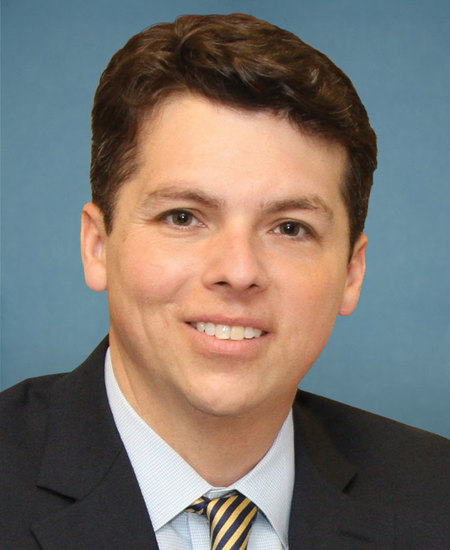
Rep. Brendan F. Boyle
Sponsored bills
Maddy summaryThe FASTER Act of 2026 expands the list of major food allergens regulated by the FDA to include barley, rye, and oats alongside wheat. This change requires food manufacturers to clearly label these gluten-containing grains, helping consumers with allergies and Celiac disease identify potential triggers. The law also mandates that the FDA update its compliance guides within a year to reflect these new allergen categories. Additionally, the bill directs the Department of Health and Human Services to produce a comprehensive report on Celiac disease, covering data on prevalence, diagnostic methods, prevention strategies, and potential treatments. These provisions apply to all foods entering the market starting one year after the law is enacted.
Maddy summaryThe American Shipyard Investment Act of 2026 creates a new tax credit to encourage investment in U.S. shipyards that build or repair commercial and military vessels. This credit allows taxpayers to deduct 25 percent of their qualified investments in these facilities from their taxes, increasing to 35 percent for projects located in designated economic zones. The law defines eligible investments as property used for constructing, repairing, or manufacturing parts for ships and sets a deadline of December 31, 2033, for when the property must be put into service. Additionally, the bill permits businesses to transfer unused tax credits to other entities and provides an exemption from a specific alternative tax on shipping activities.
Maddy summaryThis bill expands federal election laws to prevent foreign nationals from influencing U.S. elections by tightening restrictions on domestic companies with significant foreign ownership or control. It requires businesses that are at least 50% owned by foreign individuals, or those with specific foreign influence, to file a sworn certification proving they are not foreign-controlled before making any political donations or spending money on election activities. Additionally, the law clarifies that these rules apply to state and local ballot initiatives and mandates that corporate political action funds certify their managers and board members are U.S. citizens or permanent residents. The legislation also prohibits recipients of funds from these businesses from using the money for further political contributions unless they receive and verify the required compliance certification.
Maddy summaryThis bill requires Medicare Advantage plans to implement electronic pre-approval systems for medical services by 2028 and meet transparency reporting standards starting in 2027. Plans must publicly report data on approval/denial rates, appeal outcomes, response times, and technology use for pre-approval requests, including details on how denials relate to clinical criteria. It establishes a 24-hour response timeframe for certain requests and mandates annual reviews of pre-approval requirements based on data and input from seniors and providers. The law directly affects Medicare Advantage plans, seniors enrolled in these plans, and healthcare providers who submit pre-approval requests. These changes aim to make the pre-approval process faster, more transparent, and more accountable for seniors seeking covered medical services.
Maddy summaryThis resolution expresses support for designating July 10th as Journeyman Lineworkers Recognition Day to honor the workers who maintain the nation's electrical grid. The bill specifically recognizes the dangerous conditions these employees face, such as working at heights near live power lines and responding to disasters like hurricanes and wildfires. It also commemorates Henry Miller, the first president of the International Brotherhood of Electrical Workers, who died on July 10, 1896, while performing his duties. Ultimately, the measure encourages the public to observe this day with reflection on the contributions of lineworkers.
Maddy summaryThe Protecting Americans' Health Care Act of 2026 reverses specific Medicaid changes made in the 119th Congress. It directly affects state and federal health programs by restoring the original rules that were previously altered. The bill achieves this by repealing the relevant sections of the reconciliation law and reinstating the prior legislation as if the changes had never occurred. This action effectively undoes the policy shifts related to Medicaid funding and eligibility that were implemented in the earlier session.
Maddy summaryThis resolution expresses the sense of Congress that Medicaid is a vital lifeline for the health care of millions of Americans, including older adults, people with disabilities, and low-income families. It highlights concerns that recent legislation will cut funding and impose new eligibility rules and paperwork requirements, which could negatively impact access to care. While the bill itself does not change laws or allocate money, it urges the Centers for Medicare & Medicaid Services to provide immediate guidance to state agencies and enrollees regarding these upcoming changes.
Maddy summaryThe HUSTLE Act creates a new type of tax-advantaged savings account specifically for college athletes to manage money earned from their name, image, and likeness. Eligible students at participating colleges can deposit this income into the account without paying taxes on it immediately, provided the funds are used for qualified expenses like education or career transition costs. The bill includes strict rules on how the money can be invested, limits on contribution amounts, and requirements for financial education to help athletes plan for life after their sports careers. Additionally, the account allows athletes to transfer funds to traditional retirement accounts once they are no longer eligible athletes, with a lifetime limit on such conversions.
Maddy summaryThis bill, titled the Protecting Health Care and Lowering Costs Act of 2026, directly affects individuals and entities impacted by previous Medicaid funding changes. Its primary mechanism is to repeal specific provisions from a 2024 reconciliation law that altered Medicaid funding rules, effectively restoring the program to its state before those changes were enacted. By removing these amendments, the legislation aims to reverse recent policy shifts regarding federal support for Medicaid without introducing new requirements or altering other parts of the healthcare system.