

Maddy summaryHR 7142 (Alternatives to PAIN Act) requires Medicare Part D plans to cover non-opioid pain management drugs with no deductible and at the lowest copay level starting in 2025. It defines "qualifying non-opioid drugs" as FDA-approved medications that don’t act on opioid receptors (like certain NSAIDs or nerve pain treatments), excluding opioids and schedule I-III drugs. The bill prohibits Medicare plans from forcing patients to try opioids first (step therapy) or requiring prior approval for these non-opioid options. It directly affects Medicare beneficiaries needing pain management, especially those seeking alternatives to opioids for post-surgical or acute pain. The policy change aims to improve access to non-addictive pain treatments while preserving doctors' authority to prescribe medically appropriate care.
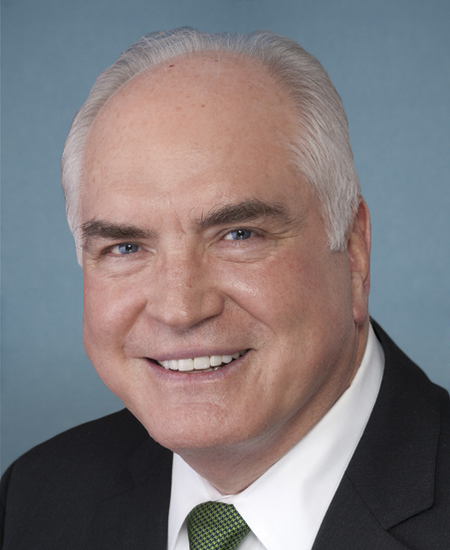
Rep. Mike Kelly
Sponsored bills
Maddy summaryThe EASE Act of 2024 requires the Centers for Medicare & Medicaid Services (CMS) to test a new model improving access to specialty health care for Medicare and Medicaid beneficiaries in rural or underserved areas. It mandates CMS to partner with selected provider networks - comprising at least 50 community health clinics, nonprofits with proven community health work, and commitment to research - to deliver specialty care via telehealth and remote technology, coordinated with patients’ primary care providers. This model directly affects Medicare Part A/B beneficiaries and Medicaid enrollees living in designated underserved regions. The bill establishes specific criteria for network selection and defines "eligible individuals" based on coverage type and geographic location.
Maddy summaryThis bill amends Medicare eligibility rules to explicitly include occupational therapy as a qualifying service for home health care. It changes the Social Security Act to state that beneficiaries need "occupational, or speech therapy" (instead of only "speech therapy") to qualify for home health services. This change directly affects Medicare beneficiaries requiring occupational therapy at home, expanding access to this specific care. The policy takes effect for services provided on or after January 1, 2025.
Maddy summaryHR 7090 would exclude payments and reimbursements for meals, lodging, and travel expenses received by individuals participating in approved clinical trials from their gross income for tax purposes. This directly affects clinical trial participants who currently might have to pay income tax on these compensation amounts. The bill adds a new tax provision (Section 139J) to the Internal Revenue Code, defining "approved clinical trial" per the Public Health Service Act. The change applies to payments made after December 31, 2023.
Maddy summaryThis bill adds 1,000 new medical residency positions (500 in 2024 and 500 across 2025-2028) specifically for training in addiction medicine, addiction psychiatry, or pain medicine. It directly affects hospitals that have or will establish approved residency programs in these fields. Hospitals receiving these positions must use them for addiction-related training for five years, with unused positions redistributed if requirements aren't met. The goal is to expand the healthcare workforce addressing the substance use disorder crisis by increasing specialized training opportunities.
Maddy summaryThis bill, HR 6860, protects patients with end-stage kidney disease (ESRD) who require dialysis by preventing health insurance plans from discriminating against them. It amends Medicare rules to prohibit plans from treating dialysis coverage differently than other medical services based on a patient’s ESRD diagnosis, need for dialysis, or any other factor. The bill clarifies that plans can still choose which dialysis providers to include in their networks but cannot deny or limit coverage for dialysis services solely because of the patient’s condition. It ensures Medicare remains the secondary payer for these services as intended, without forcing plans to cover specific providers.
Maddy summaryThis bill protects religious child welfare providers from losing government contracts or funding if they refuse to provide services conflicting with their sincerely held religious beliefs (e.g., certain foster care or adoption placements). It prohibits states and federal agencies from denying contracts, licenses, or renewals for this reason, and allows providers to sue for violations with recovery of damages and legal fees. States violating the law risk losing 15% of federal child welfare funding. The law applies to all federally funded child welfare services, including foster care, adoption support, and family preservation programs.
Maddy summaryThe PILLS Act creates tax credits to encourage domestic production of generic drugs and biosimilars. It provides a production credit (up to 35% of value added for final drug production) for manufacturers producing eligible drugs in the U.S., with additional bonus credits for domestically sourced materials. The bill also establishes a 25% investment credit for qualified facilities building new production capacity, with both credits phasing out after 2029 and terminating for new construction after 2027. These provisions directly affect U.S. pharmaceutical manufacturers of generic drugs and biosimilars, aiming to increase domestic supply of these medications.
Maddy summaryThis bill amends Medicare, Medicaid, and private insurance rules to improve coverage for drugs treating rare diseases (defined as conditions affecting 200,000 or fewer people in the U.S.). It requires coverage for rare disease drug uses supported by peer-reviewed medical literature and not listed as contraindicated in FDA labeling or medical reference guides. Private insurers must provide expedited review processes for denials of such drugs. The changes apply 30 days after enactment, affecting insurers and patients seeking coverage for rare disease treatments.
Maddy summaryThe Veterans HSA Access Act of 2023 changes IRS rules to allow veterans who receive certain veterans benefits (like disability compensation) but do not have a service-connected disability to contribute to health savings accounts (HSAs). This removes a current barrier preventing these veterans from using HSAs to pay for qualified medical expenses. The policy change applies to tax years starting after December 31, 2025, meaning it will take effect in 2026. It directly affects veterans with non-service-connected health issues who currently cannot use HSAs despite qualifying for other veterans' benefits.